TECHNOLOGY
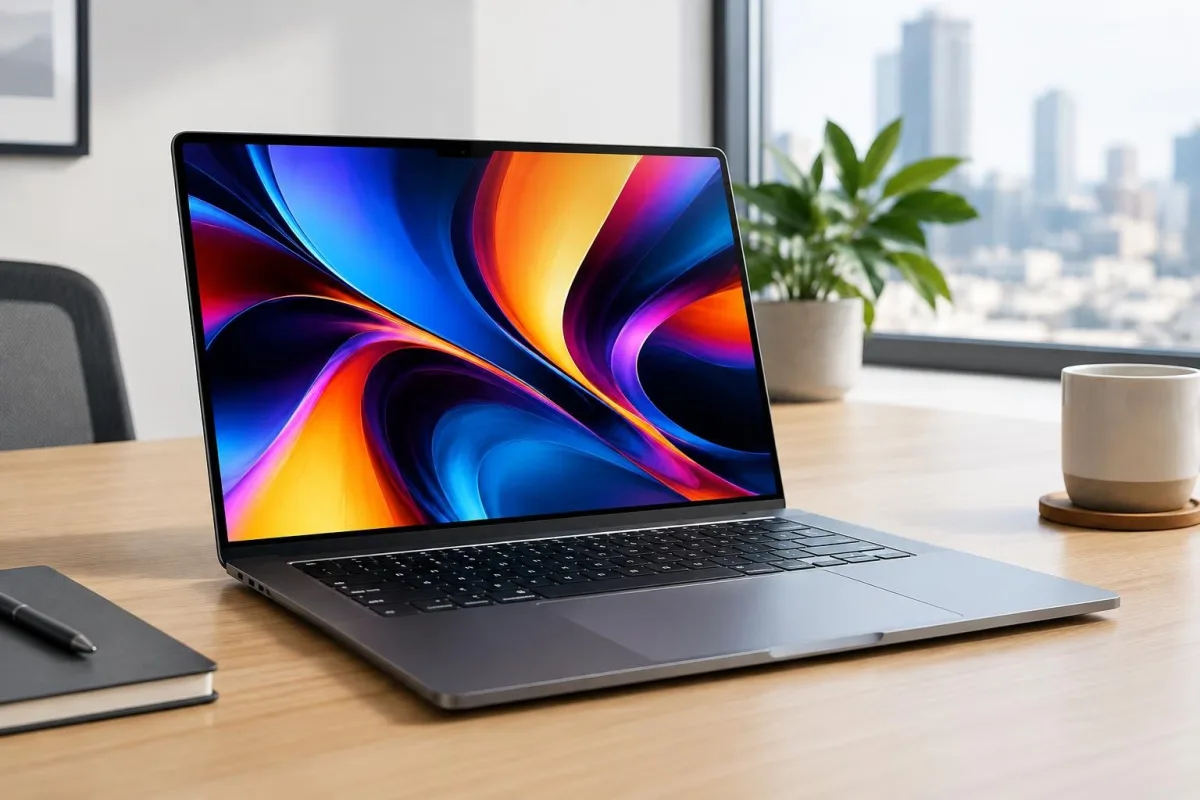
Apple has released its first touchscreen laptop, the MacBook Pro, marking a significant departure from Steve Jobs’ legacy.
LOS ANGELES, Nov 3: Apple unveiled its first touchscreen laptop, the MacBook Pro, at an event in Los Angeles on October 28. This marks a shift in Apple’s product philosophy, breaking from the views of its late founder, Steve Jobs.
The new MacBook Pro features a touchscreen, available in 14-inch and 16-inch versions, and is powered by either the M5 Pro or M5 Max chip. The ProLED XDR display has a peak brightness of 2000 nits and supports both P3 and Adobe RGB color gamuts. The 14-inch model weighs 3 pounds, while the 16-inch model weighs 4 pounds, both lighter than their predecessors.
Pricing in the U.S. starts at $2,899 for the 14-inch M5 Pro model and $3,399 for the 16-inch version. Pre-orders began immediately, with the laptops set to launch on November 6 in the U.S., Japan, and Taiwan.
Reflecting on the touchscreen feature, CEO John Ternus stated, “The Mac is still a device that uses a keyboard and trackpad. It’s just that it’s now refined enough that you can touch the screen too.” This change contrasts sharply with Jobs’ previously held beliefs, where he criticized touchscreens on laptops as ergonomically unfeasible.
Jobs had argued, “It looks great when you demo it, but after a while… your arm wants to fall off. It doesn’t work. It’s ergonomically terrible,” during a 2010 presentation.
In addition to the touchscreen, Apple also introduced the first foldable iPhone capable of supporting the Apple Pencil, further breaking with Jobs’ rules against stylus devices. Apple’s evolving philosophy under current leadership shows a willingness to adopt features previously deemed unnecessary.
Analysts have noted that these changes reflect a broader shift in technology and user preferences. Touchscreen features have become common in competitor products, such as Microsoft’s Surface line. John Ternus, who played a key role in Apple’s transition to its own silicon, suggests that the company aims to adapt to changing market demands.
Apple’s new product strategy marks an evolution of the brand, shifting away from strict adherence to Jobs’ original vision. The company is now embracing innovative features that align with current consumer trends.
Sources

Bhupendra Singh Chundawat is a seasoned technology journalist with over 22 years of experience in the media industry. He specializes in covering the global technology landscape, with a deep focus on manufacturing trends and the geopolitical impact on tech companies. Currently serving as the Editor at Readhis insights are shaped by decades of hands-on reporting and editorial leadership in the fast-evolving world of technology.