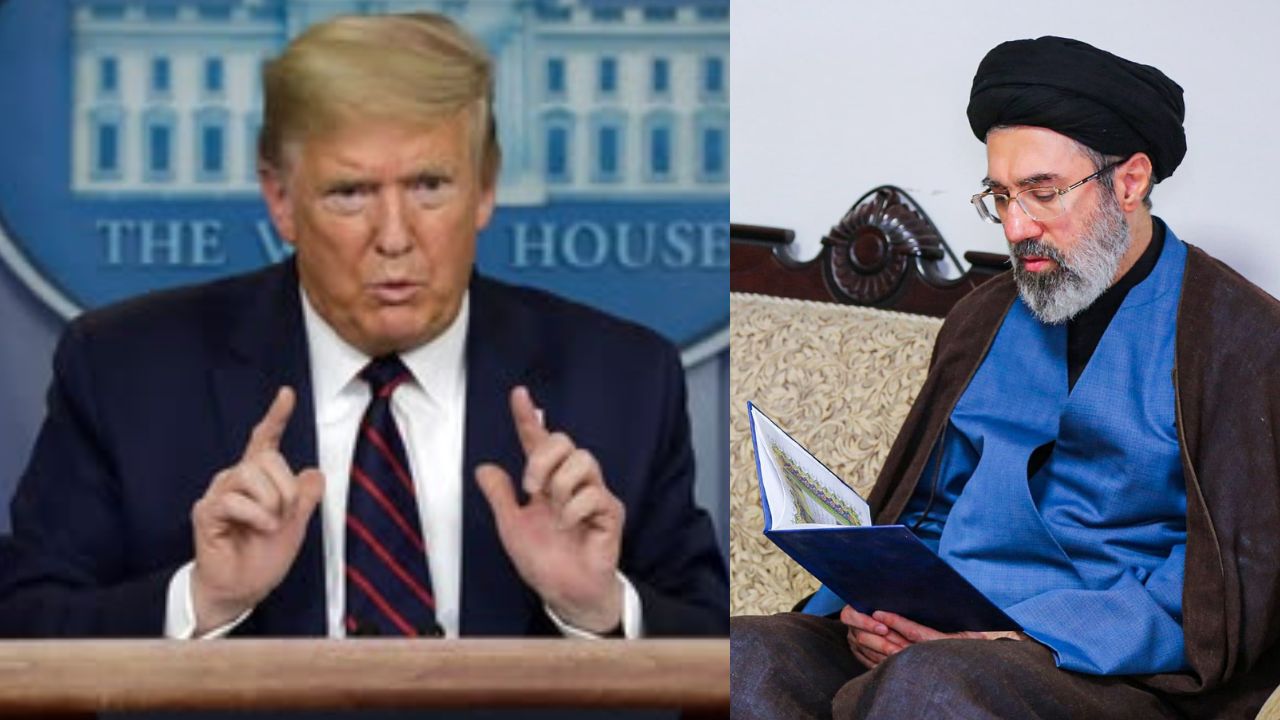
Washington DC: The United States has carried out limited defensive strikes against Iranian targets near the strategically vital Strait of Hormuz, raising fresh fears of a wider Middle East conflict just hours before crucial American midterm elections. The military action comes amid renewed diplomatic efforts, pressure from Israeli Prime Minister Benjamin Netanyahu for further attacks and growing concerns over global oil supplies and regional security.
US-Iran Conflict: Defensive Strikes Reported Near Strait of Hormuz
Washington: The United States has conducted defensive military strikes against Iranian targets in the Strait of Hormuz, a US official confirmed on Monday, intensifying geopolitical uncertainty on the eve of the American midterm elections.
The official, who spoke on condition of anonymity because they were not authorized to comment publicly, said the strikes targeted Iranian personnel using surface-to-air missiles against US assets. Iranian state television separately reported explosions on Qeshm Island, a strategically significant Iranian island near the Strait of Hormuz.
The reported operation appears to have been limited in scope rather than a return to full-scale military hostilities. However, it has raised questions about Washington’s next move, particularly after President Donald Trump had previously indicated that the United States would not launch fresh strikes against Iran before the midterm elections.
The timing is politically significant for the Trump administration. The prolonged conflict, its financial cost and the impact of regional instability on American fuel prices and the wider economy have emerged as potential vulnerabilities for Republicans seeking to retain control of Congress.
The latest military developments also come as diplomatic channels remain active, with Washington and Tehran exploring the possibility of a negotiated arrangement to prevent another major escalation.
JD Vance Signals Optimism Over Possible US-Iran Negotiations
Before the strikes were confirmed, US Vice-President JD Vance had indicated that the administration remained cautiously optimistic about reaching a diplomatic settlement with Tehran. Vance told reporters that he had spoken with Trump about the ongoing discussions and that both leaders viewed the possibility of a negotiated agreement positively. He also indicated that diplomatic engagement with Iranian representatives had continued and that Washington intended to pursue the process.
The vice-president had reportedly sent a letter to Iran’s security chief, Mohsen Rezaei, during the previous week. The White House provided limited details about the communication, while Trump had described its focus as assistance involving medical supplies and other requirements.
Rezaei, speaking to Iranian state television, said the tone of communication from Washington had changed considerably, describing the development as a positive indication. He did not disclose the contents of Vance's letter and said he had not sent a response.
The diplomatic signals suggest that both sides may be exploring ways to prevent a wider confrontation even as military tensions remain elevated. Iran, however, is seeking assurances that Washington would honor its commitments under any future agreement.
Tehran’s concerns are rooted partly in previous instances in which the United States and Israel carried out military attacks while negotiations over Iran’s disputed nuclear program were underway.
Netanyahu Presses Trump for Fresh Military Action After US Elections
The diplomatic efforts are unfolding alongside growing pressure from Israel for a more aggressive military approach towards Iran. Israeli Prime Minister Benjamin Netanyahu has reportedly urged Trump to consider another round of strikes after the US midterm elections. Two regional officials and another person familiar with the discussions indicated that Netanyahu had been advocating a rapid but extensive air campaign against Iranian targets.
According to the accounts, Netanyahu raised the issue during a telephone conversation with Trump over the weekend. The US President did not commit to authorizing further military action, and his final decision remained unclear.
The political situation in Israel has also added another dimension to the debate. Netanyahu and his far-right allies reportedly lost their parliamentary majority in elections held the previous week. A renewed conflict with Iran could potentially reshape Israel’s domestic political calculations, including discussions around the formation of an emergency government.
However, the Israeli government did not immediately comment on the reported discussions, while the White House did not directly address questions about the weekend conversation between Trump and Netanyahu.
Gulf Allies Warn Against Wider Iran War
Not all US partners in the Middle East support another military escalation. Several regional allies have reportedly cautioned Washington that renewed attacks could destabilize the wider region and draw additional armed groups into the conflict.
Concerns have particularly focused on the possibility of Iran-aligned Houthi rebels in Yemen intensifying attacks against Saudi Arabia and commercial shipping in the Red Sea. Iran-backed militias operating in Iraq could also become involved, potentially expanding the conflict beyond its existing geographical boundaries.
Saudi Defense Minister Prince Khalid bin Salman held a telephone conversation with US Defense Secretary Pete Hegseth on Monday. The discussions covered recent regional and international developments, including continued Houthi attacks against Saudi Arabia.
The diplomatic and security concerns were also reflected at the Manama Dialogue, an annual regional security conference organized in Bahrain by the International Institute for Strategic Studies.
United Arab Emirates presidential advisor Anwar Gargash warned that the positions of Washington and Tehran remained far apart, raising concerns about the consequences if diplomatic differences could not be resolved.
Egyptian Foreign Minister Badr Abdelatty also cautioned that another escalation could prove more destructive and dangerous for the region, without offering a sustainable resolution to the underlying conflict.
The statements underline the difficult position of Gulf and Arab countries, which are attempting to safeguard their security and economic interests while avoiding direct involvement in a wider US-Iran confrontation.
Strait of Hormuz Tensions Raise Concerns Over Global Oil Supplies
The Strait of Hormuz remains one of the most sensitive strategic flashpoints in the unfolding crisis. The narrow maritime corridor is a critical international energy route through which a substantial share of global oil shipments passes.
The conflict has already disrupted commercial shipping and increased uncertainty across international energy markets. October reportedly witnessed the highest number of attacks on commercial vessels in the Strait of Hormuz since March, as Tehran sought to increase economic pressure on Washington and push for the lifting of the US naval blockade.
The blockade is aimed at preventing tankers carrying Iranian oil from accessing international markets. Thousands of US troops remain deployed in waters near Iran to maintain the operation, while a third American aircraft carrier and additional military personnel are reportedly heading towards the Middle East.
The Trump administration’s last previously known attacks on Iran had taken place in early September. The latest defensive strikes therefore represent a significant development in a conflict that has remained volatile despite intermittent diplomatic engagement.
The economic consequences have extended beyond the immediate region. Oil prices fell sharply on Monday as renewed diplomatic efforts raised hopes of a possible agreement and reduced concerns about further disruption to energy supplies.
During a speech in Washington, presented as his closing appeal to American voters ahead of the midterm elections, Trump sought to play down the scale of the conflict. He also pointed to the decline in oil prices as a positive development.
The war has reportedly cost American taxpayers at least $47 billion, adding to scrutiny over the administration's military strategy and its economic implications.
Iran Warns of Immediate Response to Any New Threat
Iranian leadership has maintained that the country remains prepared for both military confrontation and diplomatic engagement. Supreme Leader Ayatollah Mojtaba Khamenei recently met senior military commanders and stressed that any threat from the United States or Israel should invite an immediate response.
He also called for expanding the range of potential targets, signaling Tehran’s willingness to consider a broader military response if tensions escalate.
Iranian officials have also pointed to the damage caused by attacks on American military installations in the region. An Associated Press analysis found that Iranian strikes on more than two dozen US bases since the beginning of the war had caused billions of dollars in equipment damage.
Tehran’s position reflects its attempt to maintain military deterrence while keeping diplomatic channels open. However, the absence of a publicly detailed agreement and the continuing naval blockade remain major obstacles to a settlement.
China Plans Diplomatic Outreach as Regional Tensions Persist
The growing uncertainty has also attracted diplomatic attention from outside the Middle East.
China has announced plans to send a special envoy to Iran, Oman and Saudi Arabia in early to mid-November. Chinese Foreign Ministry spokesperson Mao Ning confirmed the proposed diplomatic outreach during a briefing on Monday.
The move signals Beijing's interest in engaging key regional stakeholders at a time when tensions around the Strait of Hormuz threaten energy security, maritime trade and broader international stability. Oman has also remained relevant to the diplomatic process, given its regional position and role in facilitating communication between rival parties.
US Midterms Could Shape Trump’s Iran Strategy
The immediate direction of the US-Iran conflict will depend on whether diplomatic negotiations can produce a workable framework and whether Washington decides to pursue further military action after the American midterm elections.
Qatari mediators reportedly held two rounds of discussions with Iranian officials last week. The proposed framework under consideration involves Iran halting attacks in the Strait of Hormuz in exchange for the United States lifting its blockade on Iranian ports. Further discussions are expected during the current week.
The outcome of the midterm elections could also influence the political calculations surrounding the conflict. The administration faces pressure over military expenditure, fuel prices, regional instability and the broader economic consequences of the war.
For now, limited US strikes, continued diplomatic engagement and competing regional demands have left the situation highly uncertain. Any further escalation could affect commercial shipping, global energy markets and security across the Gulf, the Red Sea and neighboring regions.