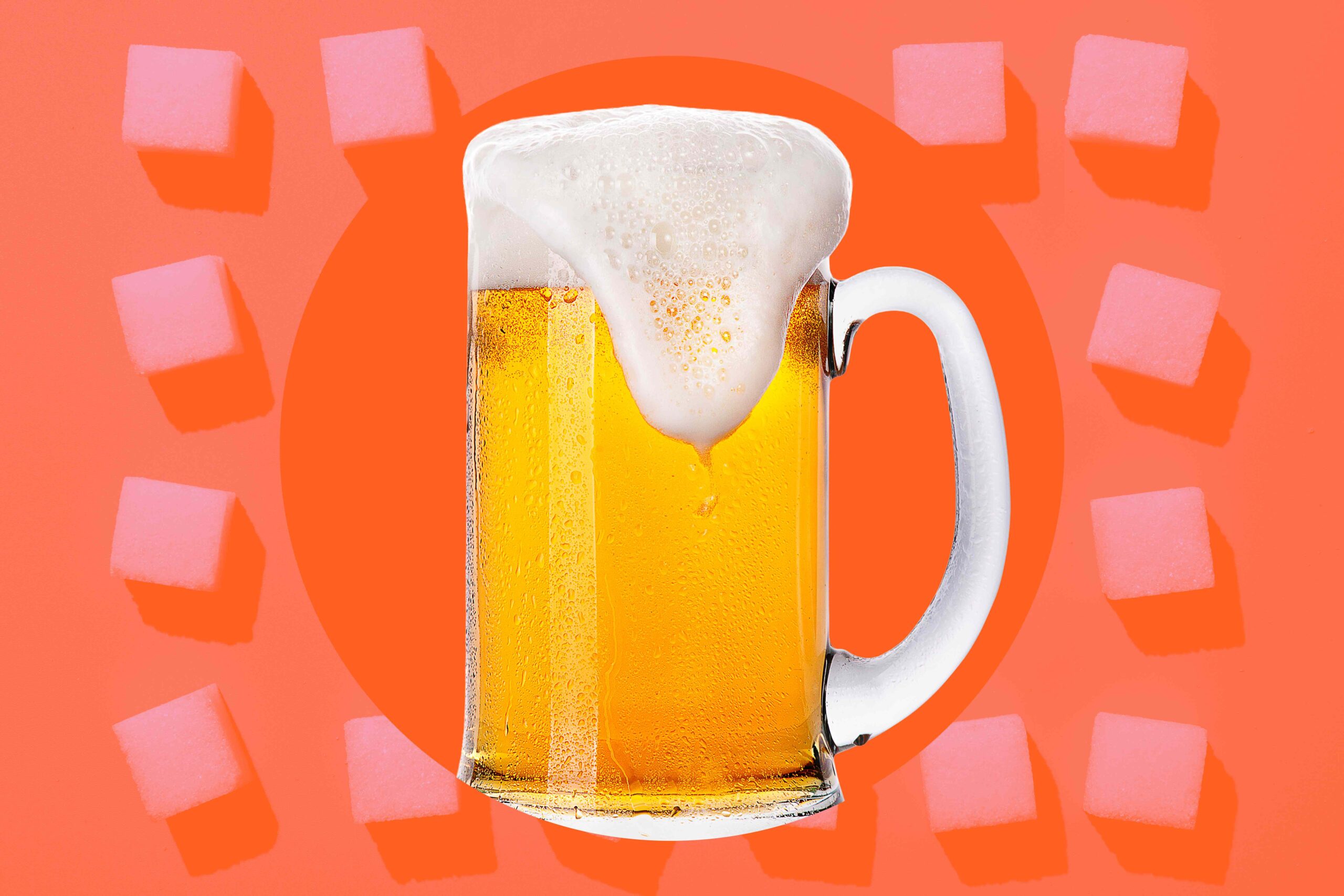
Beer can affect your blood sugar in more ways than you might expect.
Reviewed by Dietitian Katey Davidson, M.Sc.FN, RD, CPT
Key Points
- Beer’s carbohydrates can raise blood sugar, while alcohol may cause a delayed drop.
- Eating a balanced meal with beer can help reduce the risks of alcohol-related low blood sugar.
- If you have diabetes, monitor your glucose and ask your health care team about drinking safely.
If you enjoy a cold beer after work or while watching the game but also keep an eye on your blood sugar, you might wonder whether you need to skip it to keep your glucose in range.
The answer is a little more complex than you might think. “Beer can affect blood sugar in a couple ways: carbs may raise blood sugar initially, while the alcohol can cause a later drop by reducing the liver’s ability to release glucose,” says Ginger Cochran, M.S., RD, CDCES, RYT.
This delayed effect is particularly important if you have diabetes and take insulin or certain medications that lower blood sugar. And because symptoms of low blood sugar can resemble intoxication, it isn’t always easy to recognize when something is wrong.
We spoke with diabetes educators to share what happens to your blood sugar when you drink beer and provide tips for enjoying it safely.
How Beer Affects Blood Sugar
You might be surprised to learn that beer can affect your blood sugar in two different ways. To understand why, it helps to look at its two key components: carbohydrates and alcohol.
Carbohydrates can raise blood sugar. Beer is made with ingredients like malted barley, which contains starch. When you drink beer, your body breaks down those starches and other carbohydrates into glucose, which enters your bloodstream. Depending on the beer’s total carbohydrate content, how much you drink and what else you’ve eaten, your blood sugar may rise.
Alcohol, on the other hand, can lower blood sugar. And here’s where things get interesting. Your liver helps maintain your blood sugar levels by releasing stored glucose and making new glucose, especially between meals and overnight. But when you drink alcohol, your liver prioritizes breaking it down over keeping your blood sugar steady. This temporarily increases your chance of experiencing low blood sugar.
“Beer is sneaky. Sure, the carbs may increase your blood sugar at first, but meanwhile, your liver is busy clearing the alcohol, and while it does that it stops releasing the glucose that normally keeps your levels steady,” explains Whitney Stuart, M.S., RDN/LD, CDCES. “This is the main cause of hypoglycemia, low sugar, a few hours later, or inconveniently in the middle of the night. For anyone on insulin or certain diabetes medications, that drop can be dangerous.”
It’s also important to recognize that the signs of low blood sugar can look very similar to being intoxicated. “Low blood sugar looks a lot like being tipsy: shaky, dizzy, confused. People around you may not realize something’s wrong,” says Stuart.
Beer & Blood Sugar Management
If you enjoy drinking a beer from time to time, you don’t necessarily have to give it up. “People do not need to cut out alcohol or beer completely to manage their blood sugars,” says Kristie Mezzerli, RD, CDCES. The key is understanding how alcohol affects your body and taking steps to reduce your risk of low blood sugar, especially if you have diabetes. Here are a few ways to approach beer intentionally.
Pay Attention to Portion Size
In the U.S., one standard alcoholic drink contains about 14 grams of pure alcohol. That’s equivalent to 12 ounces of regular beer at 5% alcohol by volume (ABV). However, a strong craft beer with a higher ABV may contain considerably more alcohol than a standard beer, even if both are served in the same glass.
For people who choose to drink, U.S. dietary guidance has traditionally defined moderate drinking as up to one drink per day for women and up to two drinks per day for men. These are upper limits, not daily targets. Drinking less or not at all can reduce alcohol-related health risks.
Consider Lighter Beers
If you’re comparing beer options at the store, lighter beers often contain fewer carbohydrates and calories than most regular or dark beers. However, this will vary across brands, and a lower-carbohydrate beer isn’t necessarily lower in alcohol. Remember, a beer with fewer carbohydrates may have less of an immediate blood-sugar-raising effect, but its alcohol content can still increase your risk of low blood sugar later.
Pair Beer with a Balanced Meal
One of the top recommendations we hear from diabetes educators is to avoid drinking beer on an empty stomach. Food provides energy and can help reduce the risk of alcohol-related hypoglycemia. Enjoy your beer alongside a meal that includes protein, fiber-rich carbohydrates and healthy fats. Just remember that eating doesn’t cancel out alcohol’s effects on your liver, and pairing your beer with food can’t guarantee that your blood sugar will stay in range afterward.
Other Tips for Blood Sugar When Drinking
Along with watching your portions and pairing beer with food, a few additional strategies can help you make more informed decisions about drinking and blood sugar.
- Check Your Blood Sugar Before Bed If You Have Diabetes. Alcohol-related hypoglycemia can occur hours after your last drink. Checking your sugar before going to sleep can help you identify a low or a downward trend.
- Learn How Beer Affects Your Blood Sugar. If you monitor your glucose, paying attention to patterns before and after drinking can help you understand your individual response. Remember that the effects can be delayed, so an initial rise doesn’t mean you’re in the clear.
- Be Mindful of Your Medications. Never skip, reduce or increase prescribed medication to compensate for drinking unless your health care provider has instructed you to make an adjustment. Alcohol can increase the risk of hypoglycemia with certain diabetes medications, so ask your care team about precautions that apply to you.
- Consider Nonalcoholic Options. If you want to enjoy a beer-like beverage without alcohol, nonalcoholic beer can be a good alternative. Check the label for carbohydrates, since these can still affect blood sugar.
Our Expert Take
Beer doesn’t have to be completely off the table if you have diabetes or are watching your blood sugar. However, it’s important to weigh the potential risks and make an informed decision based on your health and individual circumstances.
The carbohydrates in beer can temporarily raise blood sugar, while alcohol can contribute to a delayed drop that may be dangerous for people with diabetes. Being mindful of portion sizes and carbohydrate content, avoiding drinking on an empty stomach and understanding how alcohol affects your blood sugar can help you make safer choices.
If you have diabetes, working with your health care team or a diabetes educator can help you understand your individual risks and determine what precautions are appropriate for you.