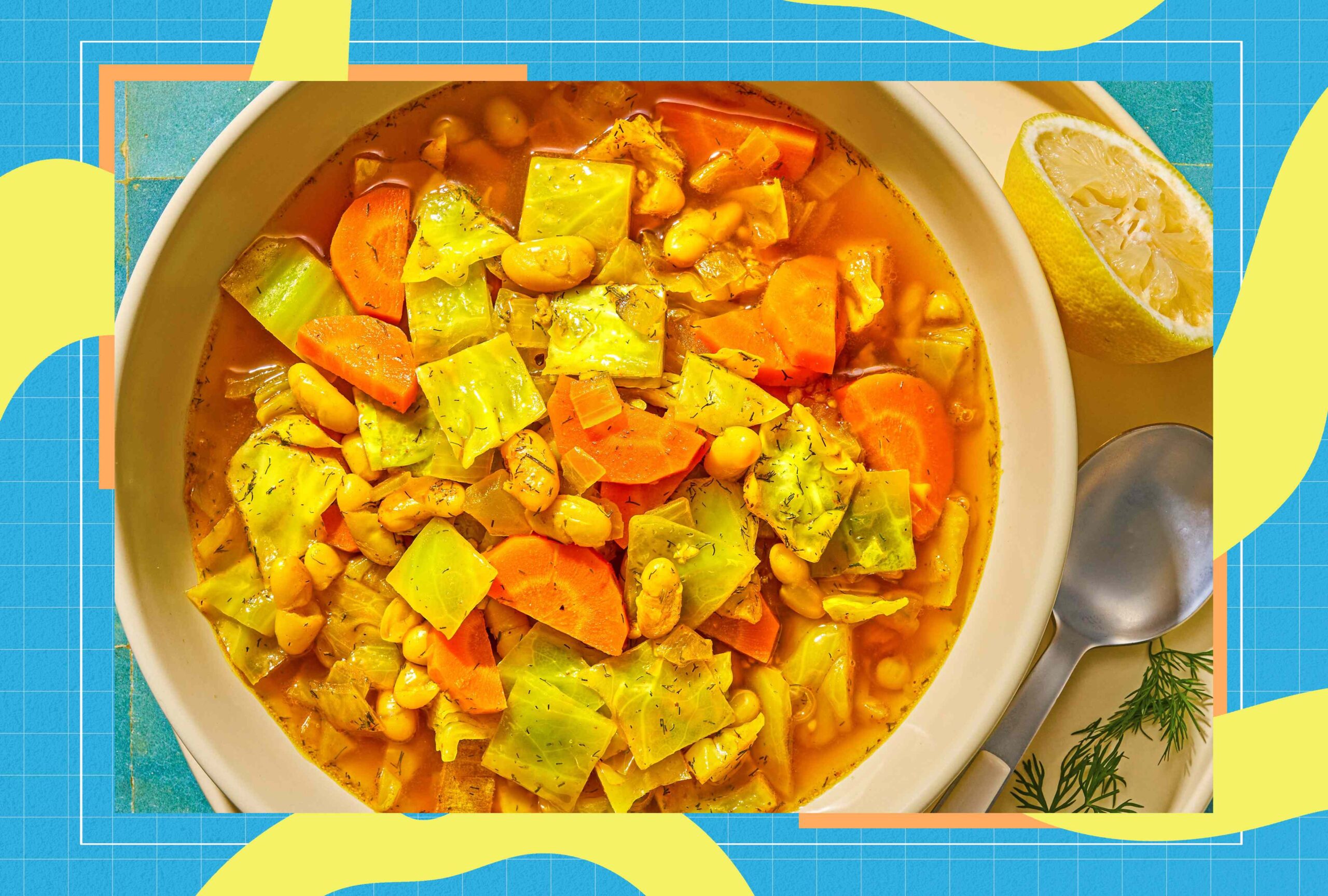
Dietitians explain how this colorful spice may give your HDL a small boost.
Reviewed by Dietitian Katey Davidson, M.Sc.FN, RD, CPT
Key Points
- Turmeric may help support healthy HDL cholesterol levels as part of a balanced diet.
- Pair turmeric with black pepper to help improve curcumin absorption.
- An overall healthy lifestyle plays the biggest role in cholesterol health.
When it comes to cholesterol, LDL (“bad”) cholesterol tends to get most of the attention. But HDL, often called “good” cholesterol, deserves the spotlight, too.
Think of HDL as your bloodstream’s cleanup crew. It picks up extra cholesterol and carries it back to your liver so your body can get rid of it. This is why higher HDL levels are linked to a lower risk of heart disease and stroke. For adults, an HDL level of 60 mg/dL or higher is considered healthy.
Regular movement and a heart-healthy eating pattern do most of the heavy lifting, but your spice rack may play a supporting role. Turmeric is one addition that may offer a small boost. We spoke with registered dietitians to share how this golden spice supports HDL and how to add it to your diet.
Turmeric and HDL Cholesterol
Turmeric is the bright yellow spice that gives curry its signature color. Its main active compound, curcumin, is a polyphenol with antioxidant and anti-inflammatory properties that have drawn interest in heart-health research.
In a 2025 review, curcumin supplements increased HDL by about 2.4 mg/dL on average, while also lowering LDL cholesterol, total cholesterol and triglycerides. A separate 2023 analysis found similar results, with HDL rising by about 1.8 mg/dL. However, these increases are modest and, on their own, are unlikely to make a meaningful difference in overall heart health, says Michelle Routhenstein, M.S., RD, CDCES, CDN.
It’s also important to consider that most trials used concentrated curcumin supplements, with doses around 500 to 3,000 milligrams per day. Ground turmeric contains only about 3% curcumin, with 1 teaspoon providing roughly 90 mg. While cooking with turmeric won’t provide the same concentrated amounts used in research, it can still be a flavorful way to incorporate curcumin into your diet.
Think of turmeric as a helpful sidekick in your heart-healthy cooking. It adds great flavor and color to dishes while providing beneficial plant compounds. For example, 1 teaspoon of ground turmeric provides about 26% of the Daily Value for manganese and 9% for iron. Pairing it with black pepper can help increase curcumin absorption.
So go ahead and sprinkle some turmeric into your next curry, soup or roasted vegetables. Your heart health benefits most from the bigger picture, but turmeric is a flavorful place to start.
Should You Take Turmeric Supplements?
Since the amounts of curcumin in food are much lower than those used in research, a supplement might seem like the next step. Turmeric and curcumin supplements are likely safe at recommended amounts for up to two to three months, though they can have potential side effects like nausea, acid reflux or diarrhea.
A bigger concern is liver health. Although liver injury from turmeric is rare, turmeric is a common cause of herbal supplement-related liver injury. Most cases have been linked to high-bioavailability curcumin products, including those with added black pepper extract. Turmeric supplements may also be unsafe during pregnancy, and like many herbal products, they may interact with certain medications.
“I generally wouldn’t recommend turmeric or curcumin supplements for the purpose of raising HDL, especially without medical guidance,” says Routhenstein. “Concentrated supplements can have blood-thinning effects and may increase bleeding risk, particularly for people taking anticoagulant or antiplatelet medications.”
How to Use Turmeric in Your Diet
Here are a few easy ideas to enjoy turmeric:
- Golden Milk: Warm milk or soy milk with turmeric, cinnamon, ginger and a pinch of black pepper.
- Scrambled Eggs or Tofu: Stir in ¼ teaspoon for a sunny color and mild, peppery flavor.
- Roasted Vegetables: “Turmeric is an easy way to add beautiful color and warmth to your meals,” says Kristen Nhial, M.S., RD. “Try adding it to roasted vegetables for a pop of color and a subtle, earthy taste.”
- Soups and Lentils: Add a teaspoon to dal, lentil soup or chicken noodle soup.
- Turmeric Tahini Sauce: “You can drizzle vegetables with a simple turmeric tahini sauce for a creamy, flavorful finish,” says Nhial. “Sometimes, a simple sauce can turn vegetables from something you feel you should eat into something you genuinely want to eat.”
Other Tips to Raise HDL Cholesterol
Turmeric is just one piece of the puzzle. These lifestyle habits can have a bigger impact on cholesterol levels:
- Stay Active. A 2025 meta-analysis found that moderate-intensity aerobic exercise, like brisk walking or cycling, significantly increased HDL in adults with overweight or obesity. Another study found combined training, including cardio and strength training, led to meaningful improvements in HDL cholesterol.
- Avoid or Quit Smoking. Cigarette smoking lowers HDL, so quitting can help bring your levels up.
- Swap in Unsaturated Fats. Cook with olive or avocado oil and enjoy nuts, seeds and fatty fish in place of foods high in saturated fat.
- Manage Your Weight. If your health care provider recommends it, losing as little as 5% of your body weight can improve cholesterol levels.
Our Expert Take
Research suggests curcumin, the main compound in turmeric, may modestly increase HDL cholesterol. Still, the effect is small, and the doses used in studies are much higher than what you’d typically get from cooking with turmeric. Supplements also come with potential safety concerns, so talk with your health care provider before trying one.
As Routhenstein puts it, “I encourage people to incorporate these spices as part of a varied, heart-healthy eating pattern rather than relying on any one particular spice as a heart-health solution.”
Ultimately, turmeric is best enjoyed as part of a broader heart-healthy lifestyle that includes a balanced diet, regular physical activity, weight management and avoiding smoking.