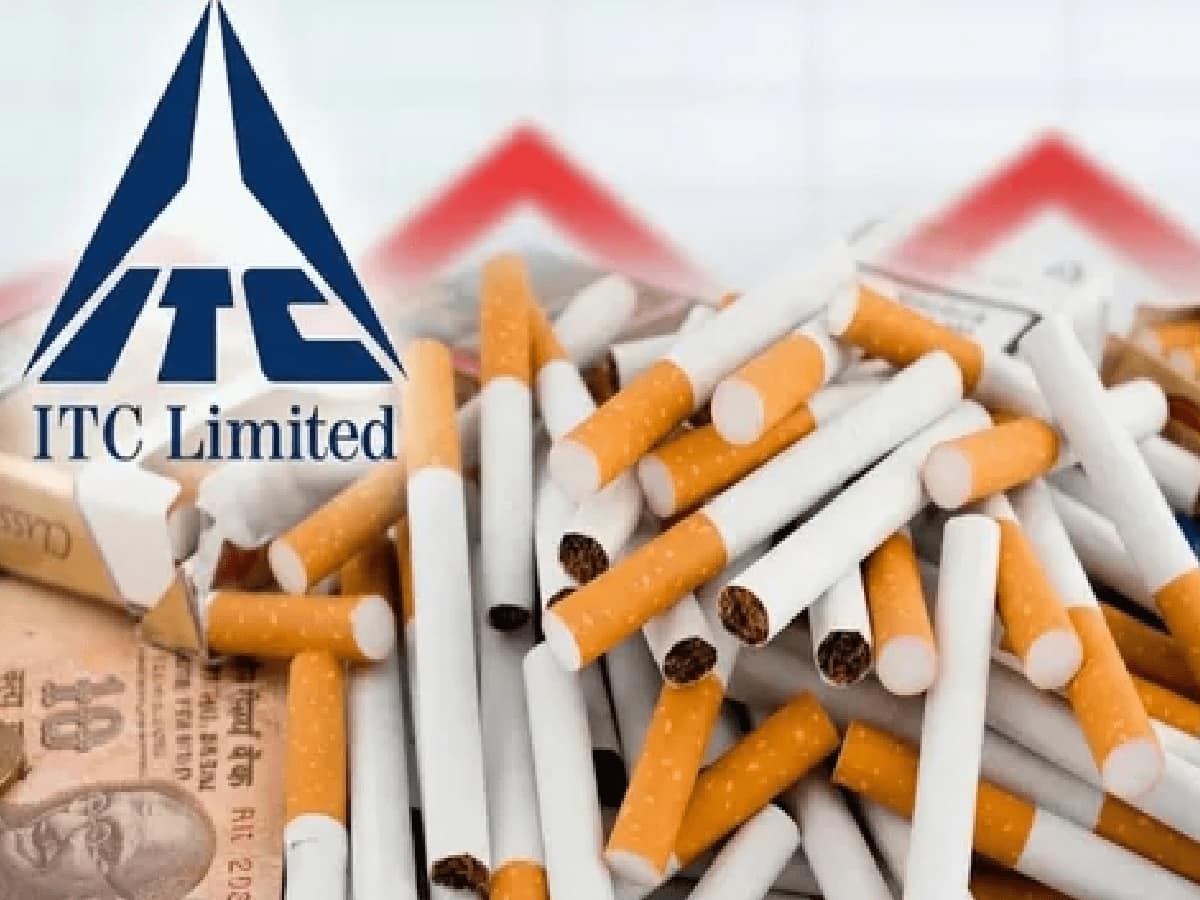
The country's leading consumer goods and tobacco products manufacturer ITC Limited has once again given a big shock to the cigarette smoking customers. The company has decided to increase the prices of its most popular and best-selling brand 'Gold Flake Premium' cigarettes for the second time in the current calendar year 2026. After this latest price hike, customers will now have to shell out Rs 135 from their pocket to buy a normal box of 10 cigarettes. It is noteworthy that just before this, the retail price of this packet in the market was fixed at Rs 125. That is, the company has directly implemented an increase of Rs 10 per packet, due to which the price per cigarette has also increased. As per the company's official pricing and market inputs, this new and increased price will be effective exclusively on 'Gold Flake Premium' Regular Size Filter Tipped (RSFT) category of cigarettes. Talking about the technical parameters, the length of this category of cigarettes ranges between 60 mm to 70 mm, which is seen the highest consumption in both urban and rural markets of the country. Customers will have to pay this increased price as soon as the supply of new printed rate stock starts at retailers and pan-cigarette shops. Second big shock in November after June 2026, boxes became expensive by 17.4 percent in just five months. This increase in cigarette prices by ITC is not the first step this year, but it is part of a continuous price adjustment strategy. Earlier this year also in June 2026, ITC had increased the prices of gold flake premium. At that time the company had increased the price of this packet of 10 cigarettes from Rs 115 to Rs 125. Now, after a gap of just five months, in November the company has once again made it costlier by Rs 10 to the level of Rs 135. If the total change from June 2026 till now is assessed, there has been a huge increase of Rs 20 on a packet of this popular cigarette. In percentage terms, within just a few months, there has been an increase of about 17.4 percent in the price of this cigarette. That means, to buy the same packet which was easily available to common customers for Rs 115 before June 2026, consumers will now have to pay a hefty amount of Rs 135. Tax burden and rising production costs became the main reason for price increase, demand may be affected. Market analysts and tobacco industry experts believe that many economic and regulatory reasons are responsible for this continuous increase in cigarette prices. At present, cigarette manufacturing companies are under constant pressure from heavy taxes at the central and state levels and rising production costs of raw materials and packaging. Additionally, the presence of illegal and smuggled cigarettes in the country's legal cigarette market also poses significant challenges for legitimate companies to maintain sales and profits. In such a situation, companies are increasing prices in a phased manner to protect their margins and compensate for increased taxes and other operating costs. However, economists also say that frequent and rapid increases in the prices of any product have a direct impact on the pockets of common consumers. As inflation continues to rise, low-income smokers are forced to either reduce their consumption or turn to cheaper alternatives, which may have a negative impact on the overall demand and volume growth of legal cigarettes in the coming quarters. ITC is moving beyond cigarettes and focusing on FMCG and digital brands, the effect was visible in the September quarter. On one hand, tax and regulatory pressure is increasing in the cigarette business, on the other hand, ITC is now focusing on expanding its entire business model and not relying only on cigarettes. The company's long-term strategy is to massively expand its non-tobacco fast-moving consumer goods (FMCG) business. Along with this, the company is seriously working on reinvigorating its traditional paperboard and packaging business and creating new and sustainable sources of earnings for the future. As part of this diversification strategy, ITC has in recent years focused on expanding its business across the country by acquiring modern and fast-growing digital-first brands like 'Yoga Bar' and 'Prasuma'. Apart from this, the company also has a special focus on prepared and fresh food products (packaged foods) and high value added (value added) products related to agriculture. The recently released September quarter financial results also clearly showed that the contribution of FMCG, Paperboard, Agribusiness and Digital Brands to the revenue is continuously increasing, which has helped to balance the pressure on the cigarette business to a great extent after the tax hike.