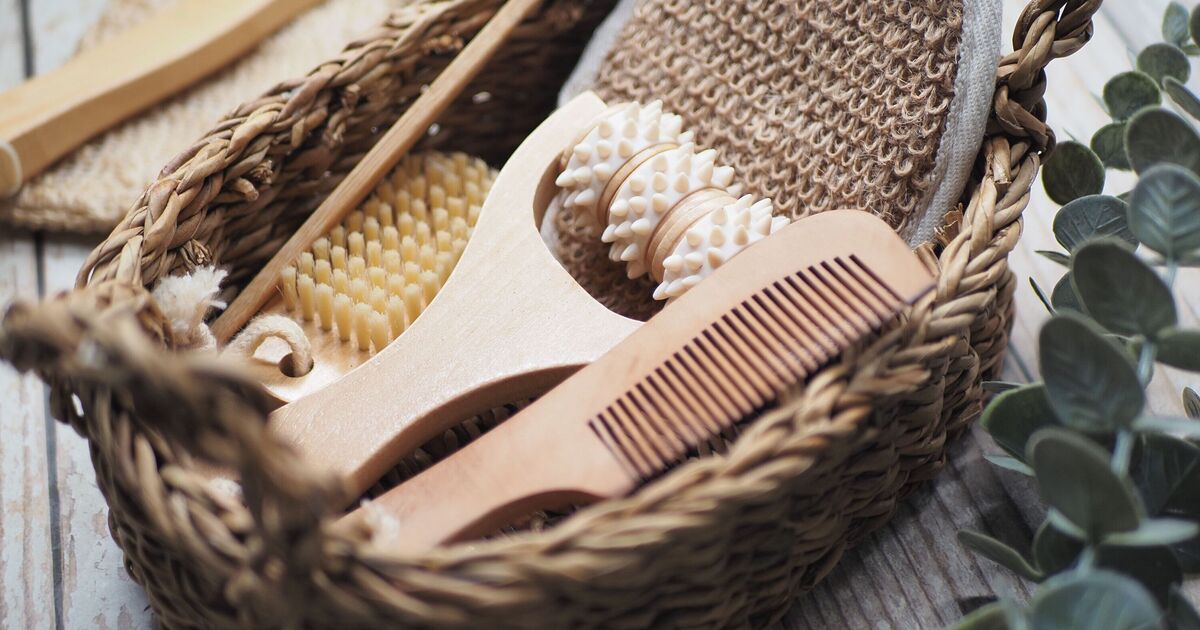
Stop throwing away your old comb, instead you can use it in one vital area of your home. Many people never think certain objects can be crucial in different parts of their house.
Now when it comes to gardening, an old comb can be handy to protect your cherished flowers. Gardening doesn’t have to grind to a halt in November, in fact, there are numerous jobs to tackle.
According to Gardening with Ish, whose real name is Ish Kamran, here’s precisely why you’ll want a comb this November.
Sharing the advice with his 196,200 TikTok followers, the gardening expert revealed: “One of the weirdest things I have in my garden is a comb, but this helps my plants more than you’d expect.”
Using his Stipa ornamental grass as a hands-on demonstration, he illustrated how a comb can efficiently separate individual grass blades, enabling them to move considerably more naturally.
He continued: “By simply running a comb through it a few times, what you’re doing is separating all of those blades of grass. And you should see in no time at all. Look at that, it looks a lot better. Now that’s one benefit.
“The second benefit is all that spent grass is now here, it’s collected in that comb, I like to collect quite a bit of it and I just start rubbing it together. See it makes a nice natural matting.
“Now cool thing about this is you’ve got these grasses, what you do is pop this right in the bottom and this will help protect it from any damage from frost.”
He recommended it can act as a highly effective insulating layer during winter, stopping excessive moisture from seeping through during wet weather or even freezing conditions.
There are many gardening jobs to complete in November (Image: Getty Images)
What gardening tasks to complete in November?
This month focuses on tidying the garden, safeguarding plants from harsh weather and preparing for next spring’s growth.
Plant tulips: November represents the perfect time to plant tulips in borders or containers. Plant them approximately three times their depth with the pointed end facing upwards.
Trim back or retain perennials: Cut back withered, dead perennial stems, although you can retain seedheads such as coneflowers or sedum to offer winter interest and sustenance for garden birds.
Plant selected fruit and vegetables: Garlic, onions and shallots can thrive over winter. You might also prune dormant apple and pear trees, along with autumn-fruiting raspberries.
Lawn care: Should the grass continue to grow, give it one last gentle cut using a high mower setting. Remember to regularly clear fallen leaves from both the lawn and pathways to prevent the grass from being smothered or developing fungal disease.