
The Maruti Suzuki Ertiga was the best-selling model in the October 2026 ranking of six- and seven-seater vehicles, but the margin over the Mahindra Scorpio range was surprisingly small. Maruti dispatched 20,641 Ertigas during the month, while the Scorpio Classic and Scorpio-N together recorded 19,353 units. Just 1,288 vehicles separated the two.
There is a bigger story behind the individual rankings. Mahindra was comfortably ahead of every other manufacturer in this category. Its Scorpio, Bolero, XUV 7XO and XEV 9S accounted for 46,820 vehicles. Maruti Suzuki’s Ertiga and XL6 together managed 24,426. That is a sizeable lead for Mahindra, even though Maruti owns the top spot on the model chart.
The figures are wholesale dispatches, or vehicles sent by manufacturers to dealerships. They should not be confused with customer registrations or retail deliveries. The source’s ranking also combines some related models into a single entry, including the two Scorpios and the Innova Crysta and Hycross.
The Ertiga’s October dispatches were 2.8% higher than the 20,087 units recorded a year earlier. That is hardly explosive growth, but it is a strong result for a model that has been on sale for years and continues to attract both family buyers and commercial operators. Its appeal is easy to understand: a practical third row, manageable dimensions, petrol and CNG choices and a comparatively accessible price.

The Scorpio range grew faster, up 8.2% from 17,880 units in October 2025. It offers a very different proposition. Buyers are choosing a larger SUV with more road presence and, depending on the version, a tougher mechanical package. The fact that the two Scorpios together finished so close to the Ertiga shows that demand for three-row vehicles is not limited to affordable MPVs.
This was also a change from September, when the Scorpio range was ahead of the Ertiga in AutoPunditz’s ranking. October therefore saw Maruti take back the lead, rather than extend an uninterrupted monthly winning streak.

Mahindra’s advantage is not built on the Scorpio alone. The Bolero was third with 12,348 dispatches, although it fell 13.9% from last October. The XUV 7XO ranked fourth at 10,254 units, only marginally ahead of the 10,139 recorded by its XUV700 predecessor a year earlier. That comparison is between successive versions of the same vehicle line, not two years of sales for the newly named XUV 7XO.
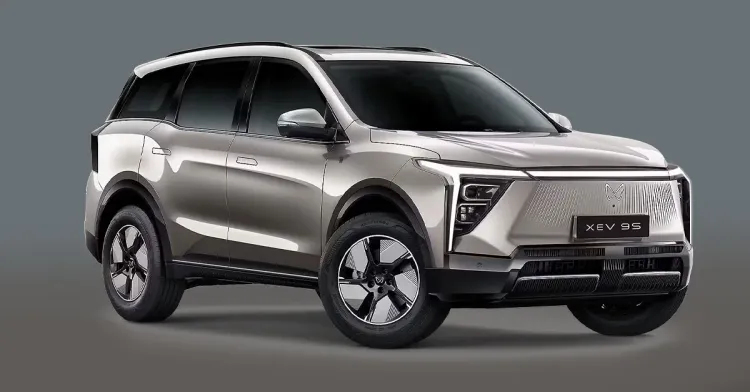
The electric XEV 9S added another 4,865 units, putting it seventh on the chart. Together, these models give Mahindra coverage from workhorse SUVs and family-oriented premium models to an electric three-row SUV. Maruti’s two entries, by contrast, are MPVs aimed more squarely at space, efficiency and everyday usability.
These totals do not mean every Mahindra has a seven-seat cabin in every variant. The ranking groups model ranges and includes six-seat configurations, so it is best read as a comparison of vehicles offered for larger families.
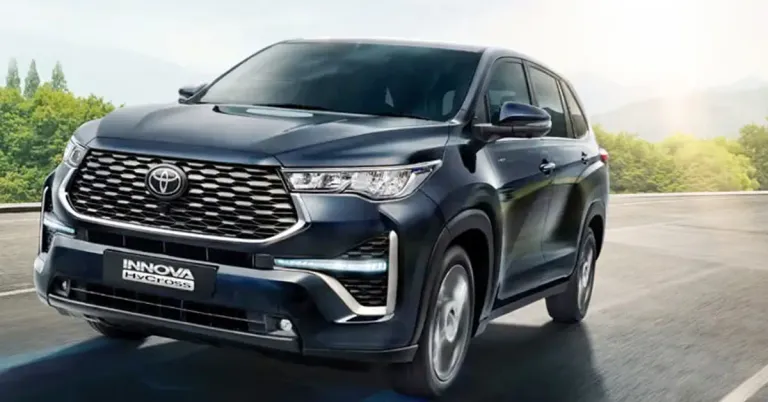
The Toyota Innova Crysta and Innova Hycross together ranked fifth with 9,441 units. That is a decline of 14.9% from 11,089 a year earlier. Kia’s Carens and Carens Clavis combined were sixth at 6,918 units, down a sharper 21.2%. Those are meaningful drops for two established names associated with family transport.
The Toyota Fortuner moved in the opposite direction. Its 3,976 dispatches were 36.2% higher than October 2025, one of the strongest growth rates among the established models in this list. That is particularly noteworthy because it competes at a much higher price point than the Ertiga, Bolero or Carens. The Fortuner’s performance suggests that buyers in the premium SUV market were willing to spend, even while some mainstream three-row options lost volume.

The Maruti XL6 registered 3,785 units, up 4.8%, while the Toyota Rumion fell 9.5% to 2,784. Outside the top ten, Renault Triber declined 18.4% to 2,588, Tata Safari fell 8.9% to 2,287, and Hyundai Alcazar dropped 39.8% to 758. It was clearly not a month of growth for every three-row model.
AutoPunditz’s wider category tally reached 1,07,960 units in October, up 8.4% from 99,571 a year earlier. Part of that growth came from models that had no equivalent entry in the October 2025 chart. The XEV 9S, Kia Sorento, Nissan Gravite, MG Tomahawk and several other recent entries made sizeable contributions, rather than the established models all growing together