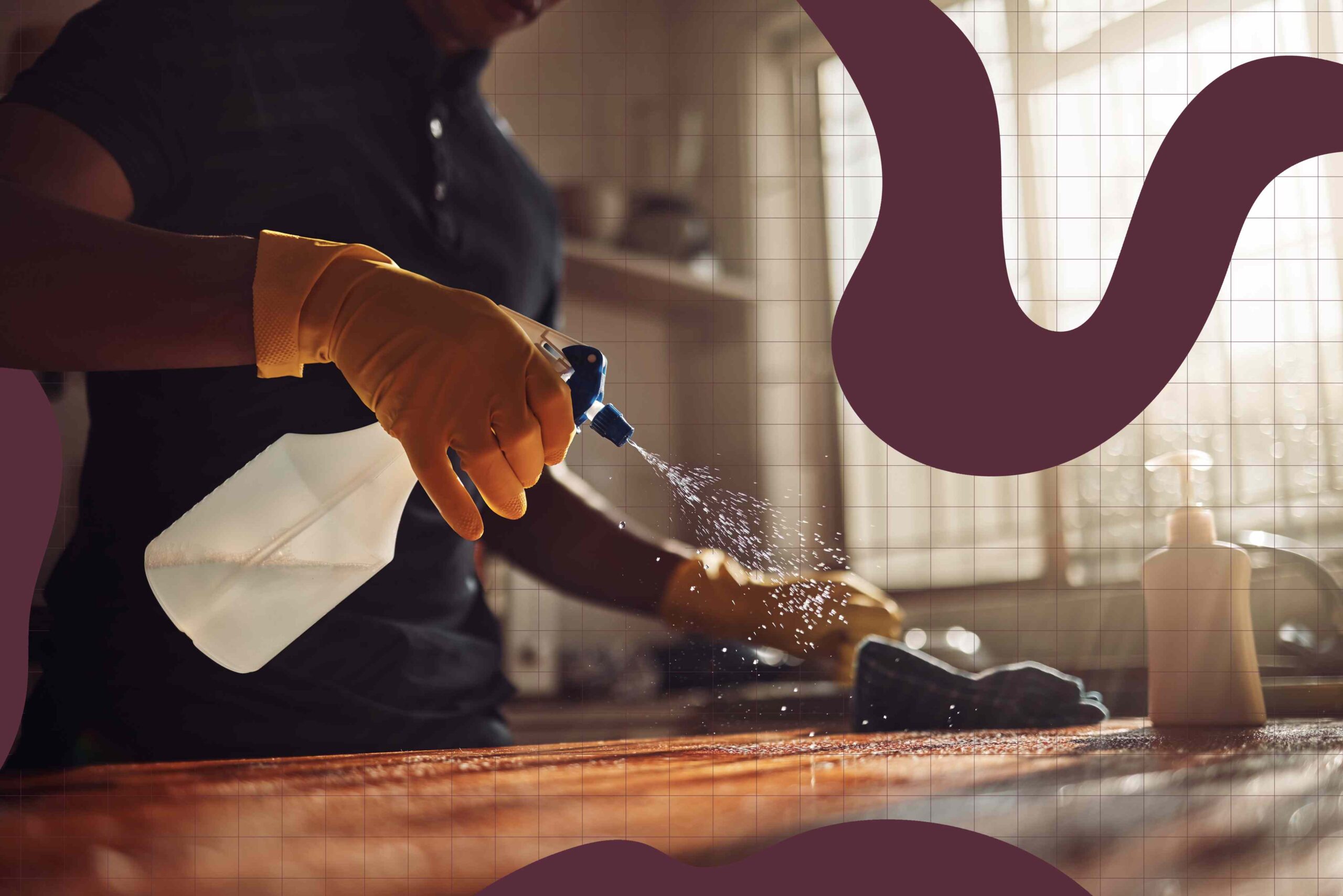
And it should be done at least once a day.
Reviewed by Dietitian Casey Wing, RD, CD
Key Points
- Clean your kitchen sink daily with hot, soapy water to prevent harmful bacteria from food scraps and standing water.
- Disinfect your sink weekly to combat potential biofilm buildup.
- Avoid leaving dirty dishes or wet sponges in the sink overnight to prevent bacterial growth and pests.
Keeping your kitchen clean isn’t just about appearances. Since it’s a space dedicated to food preparation, proper cleaning also helps to ensure you and your loved ones don’t contract any foodborne illnesses. Things like cleaning and drying your dishes, wiping down the stove and countertops, and putting away any leftovers might be obvious, but according to the sanitation and food safety experts we spoke with, there’s one often-overlooked kitchen spot that requires a regular scrub down at the end of the day. Here’s what they shared. (Spoiler alert: it’s the sink.)
Why This Spot Gets So Dirty
“Most people treat the sink as the place where things get cleaned, not as something that needs cleaning itself,” says Gary BrognoVice President of Operations at System4 IPS, a commercial facilities cleaning company. “It’s where raw meat juices, food scraps, standing water and a damp sponge all meet, and that combination of moisture and food residue is exactly what bacteria need [to thrive].”
Vanessa Coffman, Ph.D.director of the Alliance to Stop Foodborne Illness, says that bacteria can easily spread beyond the sink, including to nearby surfaces, utensils and even the food you’re preparing, which can potentially cause severe illness, depending on your health status and what bacteria are present in your sink. “Some bacteria, known as pathogens, can cause illness if they make their way into your food,” adds Coffman. “These include certain strains of E. coli, Salmonella and Campylobacter.”
How to Clean Your Kitchen Sink Properly
While a daily deep clean isn’t always necessary, Brogno shares a simple cleaning routine to help prevent cross-contamination—think last night’s raw poultry residue coming into contact with your morning fruit as you give it a rinse in the sink. For daily maintenance, Brogno says to “wash the sink basin, faucet handles and rim with hot, soapy water, then rinse and wipe [all surfaces] dry.” He warns against leaving dishes or food sitting in the sink overnight, as bacteria can rapidly multiply under these conditions. This habit could also attract and feed unwanted pests.
If raw meat, poultry or seafood has come into contact with your sink—including by way of dirty cutting boards and utensils—Brogno recommends taking an additional step: disinfecting the sink and surrounding surfaces with an EPA-registered disinfectant or bleach solution mixed according to the label. Make sure to leave it on for the full contact time listed on the label before rinsing it away or else you’re not actually killing the bacteria.
As for what tools you’ll need, Brogno says to use dedicated cleaning sponges and towels, wringing them out and allowing them to dry between uses, and washing and replacing them often.
How Often Should You Clean Your Kitchen Sink?
While cleaning your kitchen sink daily is good practice if you want to avoid potentially harmful bacteria from building up, a deeper clean should be performed at least once per week. “Scrub the drain opening and stopper, unscrew and rinse the faucet aerator, and disinfect the whole basin,” Brogno advises.
Coffman warns that neglecting regular kitchen sink cleaning can cause biofilm—a community of microorganisms that stick to surfaces and produce a protective layer around themselves—to build up, similar to what happens inside reusable water bottles. “Kitchen sinks are particularly susceptible to biofilms because they are frequently wet and can collect food scraps, grease and other organic matter that bacteria need to survive and grow,” she explains.
Simple Ways to Keep Your Kitchen Sink Cleaner
Sinks are perhaps the most-touched surface in home kitchens because they’re designed to handle everything from washing hands and food to rinsing and soaking dirty dishes. But keeping it clean and (somewhat) free from germs isn’t as complicated as it may seem. In addition to following the above advice for regular maintenance, these steps can help:
- Use a sink strainer to catch food particles, and clean the strainer frequently to prevent clogs and buildup of bacteria.
- Run hot water down the drain every evening to flush away grease and residue. Use garbage disposal cleaning tablets during weekly maintenance.
- Avoid leaving wet sponges or cloths in the sink overnight, as this encourages bacterial growth.
- Install a splash guard and sink mat as buffers for grime and bacteria, and disinfect them in the dishwasher once or twice per week.
The Bottom Line
Your kitchen sink might look clean, but food scraps, standing water and raw meat juices make it a potential hotspot for bacteria like E. coli and Salmonella. Experts say to wash and dry the basin, faucet and rim daily with hot, soapy water to help prevent germs from spreading to your food and counters, as well as to perform a deep clean with disinfectant at least once per week. They also advise against leaving dirty dishes or wet sponges sitting overnight to help prevent bacterial buildup. Following these simple steps will help keep your kitchen clean and you and your loved ones healthy.