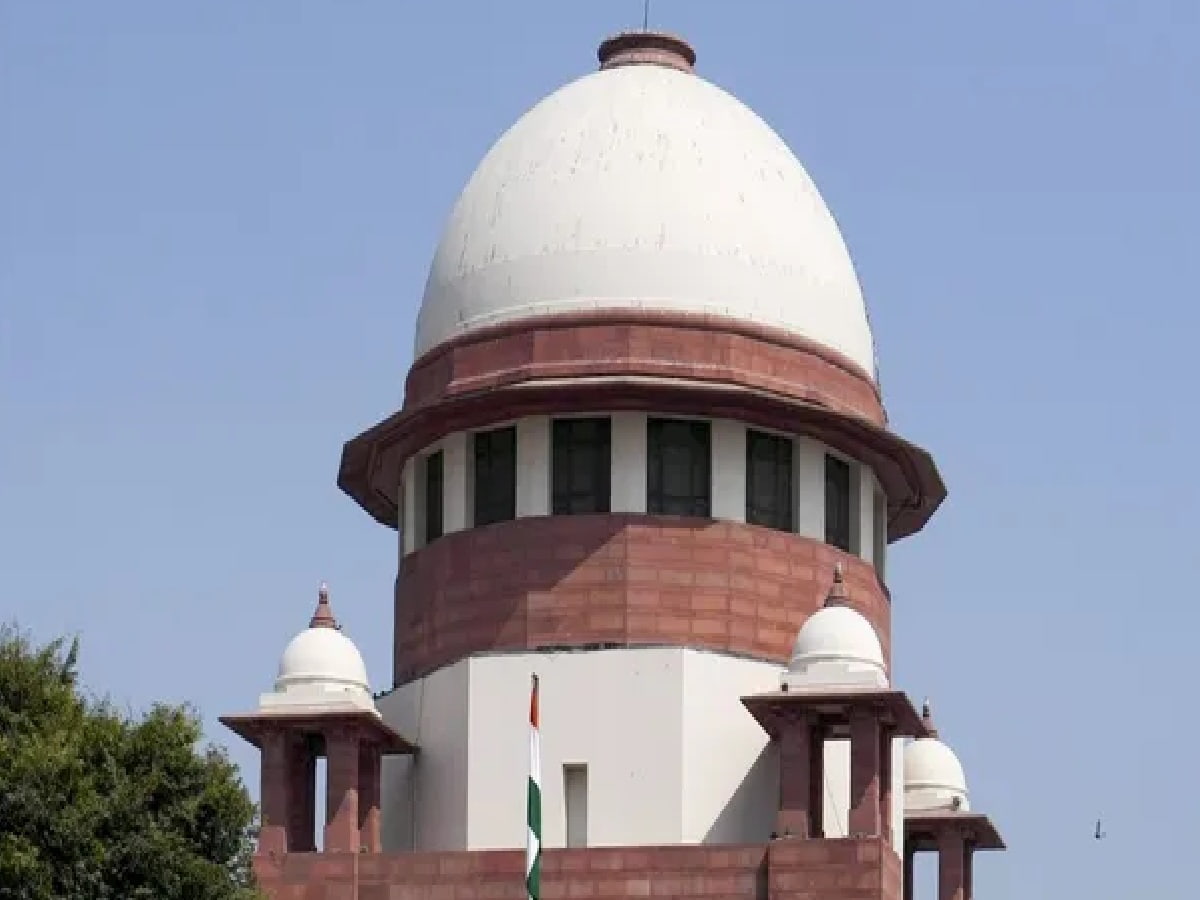
At present, a very important, constitutional and a topic of discussion among legal experts, youth and readers of entire Uttar Pradesh and the country including the democratic participation of youth, the constitutional age limit for contesting elections and the direction of the judicial process is coming to the fore, from New Delhi to Lucknow and Kanpur. The expectations of increasing direct participation of youth in the country's politics and reducing the minimum age limit for contesting elections to parliamentary and state assemblies got a setback from the Supreme Court on Saturday. The apex court has categorically refused to consider a public interest litigation (PIL) filed in this regard. Presenting his arguments before the bench of Justice Vikram Nath and Justice Aparesh Kumar Singh, the petitioner's counsel said that this is a small but very important constitutional question. Let us know in detail what arguments were put forward during the hearing regarding the 61st Constitutional Amendment, which parties were made in the petition, what the bench said in the context of Article 226 and what order was passed after the petition was withdrawn. Argument of the 61st Constitutional Amendment, favoritism of the Center and the Election Commission and the suggestion of the High Court. Referring to the 61st Constitutional Amendment, the petitioner's lawyer argued that when the minimum age for voting can be reduced from 21 years to 18 years, then why has the age limit been fixed at 25 years for contesting Lok Sabha and Assembly elections and 30 years for Rajya Sabha and Legislative Council. The Central Government and the Election Commission were made parties in this petition, and during the hearing, the bench did not consider the petition suitable for consideration. On this, the lawyer requested that the respondent should at least provide the petitioner with information about the decision taken on his representation, on which the bench bluntly said that to get instructions on the decision on his representation, the petitioner should approach the concerned High Court under Article 226 of the Constitution. Permission to withdraw the petition and process of dismissal After this clear stand of the Supreme Court bench, the petitioner's advocate sought permission to withdraw his petition. The bench accepted the request of the lawyer and dismissed the petition on the ground of withdrawal.