
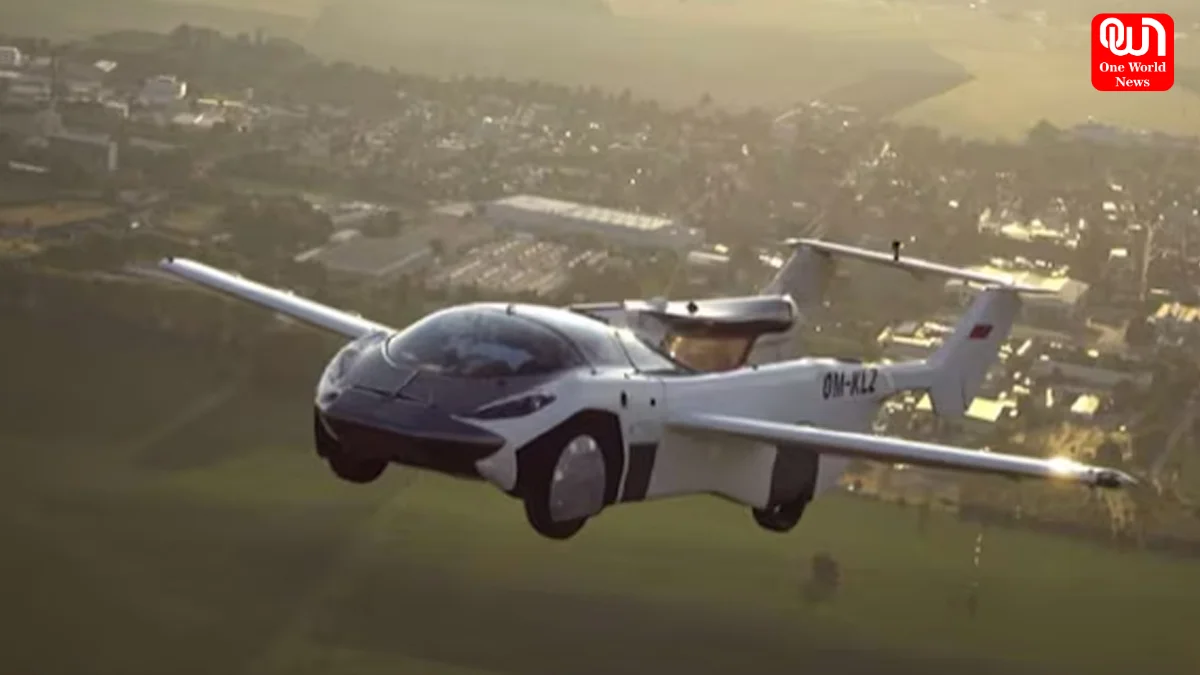

Imagine hopping into an Air Taxi in Gurugram and reaching Connaught Place in just 20 minutes. What once seemed like science fiction is now a potential reality for commuters in the Delhi-NCR region. With rising traffic congestion, ballooning commute times, and the urgent need for sustainable urban transportation, air mobility is emerging as a transformative solution. The proposed Air Taxi Project in Delhi-NCR aims to reduce travel time drastically while redefining the way people move across the national capital region.
The idea of air taxis is not new. Globally, aviation companies and urban mobility planners have been experimenting with vertical take-off and landing (VTOL) vehicles powered by electric propulsion systems. These futuristic vehicles promise quiet, emission-free travel from rooftop “vertiports” to designated landing zones without the hassles of road blockages and traffic snarls. In India, rapid urban growth, particularly in and around Delhi, has made air mobility solutions increasingly attractive.
The Delhi-NCR’s air taxi initiative is designed to connect key urban centres like Gurugram, Noida, and Connaught Place, providing a high-speed alternative to highways and metro lines. The estimated 20-minute journey from Gurugram to Connaught Place could replace a typical 60-90 minute car ride during peak hours — three times faster and far more efficient. This project represents a leap toward smart city transportation, integrating cutting-edge aviation technology with everyday urban commuting.
Air Taxi services will operate much like ride-hailing apps but take passengers to the skies instead of streets. Users would book a seat on an air taxi via a mobile app, board at a nearby vertiport, and arrive minutes later at their destination. This on-demand service model enhances convenience and opens new possibilities for business commuters, tourists, and residents alike. The use of electric vertical take-off and landing (eVTOL) vehicles further makes the system eco-friendly, aligning with global sustainability goals.
The concept has won interest from both public and private sectors. Government agencies are reviewing airspace regulations, safety standards, and infrastructure needs. Meanwhile, aviation startups and larger companies are investing in prototype development and testing. These aircraft are designed to be quieter than helicopters and capable of carrying multiple passengers. With advances in battery technology and autonomous systems, Air Taxis are expected to operate safely and reliably within city air corridors.
Read more: Today’s Political Roundup: Bangladesh Historic Vote, Bharat Bandh Protests, Global Security Talks & Turmoil in Australian Politics
One of the challenges the project faces is integrating these vehicles with existing urban infrastructure. Vertiports will need to be strategically placed atop buildings, near business districts, and close to transport hubs such as metro stations. Regulatory bodies must coordinate air traffic management to prevent conflicts between air taxis and traditional aircraft. Additionally, public acceptance and affordability will play a significant role in how quickly this system is adopted.
Despite challenges, the benefits are hard to ignore. A 20-minute flight from Gurugram to Connaught Place could significantly reduce road traffic and pollution. It would also save time for professionals who currently spend hours commuting. For emergency services, air taxis could become rapid response vehicles, offering faster transport for critical situations. In the long run, the system could expand to other cities like Mumbai, Bengaluru, and Hyderabad, connecting urban centres mushrooming across India.
The air taxi initiative also carries economic promise. Infrastructure development would create jobs, stimulate technology innovation, and attract investments in aerospace and urban planning sectors. For startups involved in eVTOL manufacturing and software systems, India’s supportive policies for innovation could accelerate product development and deployment.
Experts believe that by 2030, air taxis could become a part of everyday travel in cities that adopt this technology. In the Delhi-NCR context, commuters might book a flight from a rooftop vertiport near Cyber City in Gurugram and land in Connaught Place within minutes, bypassing congested highways and busy roads. This fast, efficient mobility option would fundamentally reshape how people think about distance and time within metropolitan spaces.
Public transport systems like the metro and buses will continue to serve essential roles, especially for short distances and cost-sensitive commuters. However, air taxis offer a premium alternative for those who value time savings and convenience. Integrated transport networks that combine road, rail, and air mobility could emerge as the future of urban transportation.
read more: Arunachal Dam Project Gets Eco Go-Ahead After 3 Decades, At The Cost Of 23 Lakh Trees
Safety remains a priority. Air taxis will have rigorous maintenance standards, certified pilots or autonomous systems, and real-time monitoring to ensure passenger security. Regulatory bodies will conduct thorough evaluations before authorizing commercial operations. As prototypes undergo testing, live demonstrations and pilot projects will help build public trust in this technology.
In conclusion, the proposed Air Taxi Project connecting Gurugram to Connaught Place in just 20 minutes represents a pivotal moment for urban transport in India. While there are logistical, regulatory, and social challenges ahead, the promise of fast, sustainable, and efficient travel is a compelling vision for the future. As technology matures and infrastructure develops, the dream of soaring above traffic and arriving at your destination in minutes may soon take flight in Delhi-NCR.

Comments are closed.