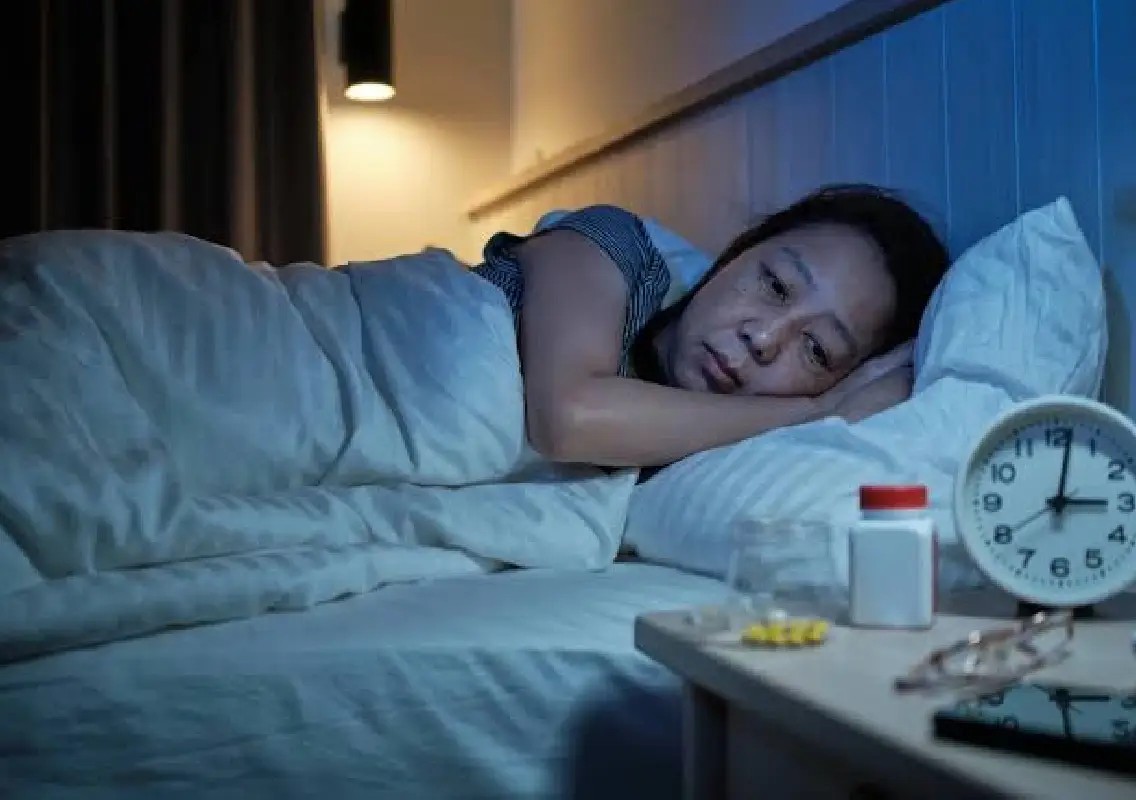
Tokyo: Some Japanese clinics are promoting private “beauty sleep” treatments that involve prescription sleeping pills and psychotropic medicines, raising concerns among experts about the inappropriate use of drugs for cosmetic purposes.
The treatments are being offered outside Japan’s public health insurance system, meaning patients must bear the full cost.
Sleep medicines marketed for beauty
There is no established medical definition of “beauty sleep”. The term generally refers to the belief that adequate sleep can support healthy skin and help regulate hormone secretion.
However, some clinics have increasingly used sleep-related concepts to market services aimed at improving appearance. Since around last year, certain providers have been advertising treatments centred on achieving beauty through better-quality sleep and prescribing medicines normally used to treat insomnia and related conditions.
The trend has also prompted debate on social media, with critics questioning whether prescription medicines should be promoted as beauty products.
Experts warn against casual use
Sleeping pills are primarily intended to treat insomnia and related sleep disorders. Some are classified as psychotropic medicines and can have side effects including drowsiness, light-headedness and dependence.
The Japanese Society of Sleep Research’s clinical guidelines recommend that such medicines be used appropriately and caution against unnecessary long-term administration.
Naohisa Uchimura, president of Kurume University and the sleep research society, said treatment for insomnia should begin with improving lifestyle habits before medication is considered when symptoms persist.
He warned that inappropriate use of sleeping pills can lead to dependence and side effects such as drowsiness and falls linked to muscle relaxation.
“Sleeping pills are medications intended to treat insomnia,” Uchimura said, stressing that they should not be used casually for cosmetic purposes.
The concerns highlight the need to distinguish legitimate medical treatment for sleep disorders from the growing commercialisation of sleep as a beauty service.