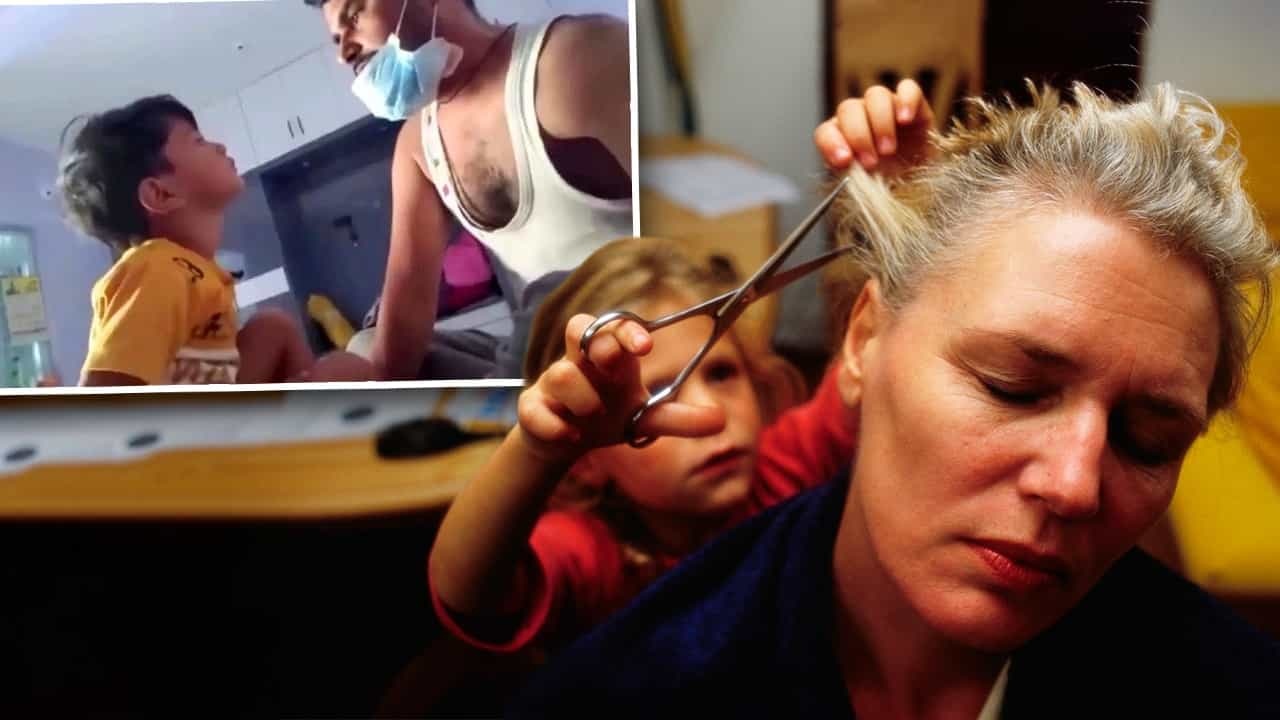
Social media often features stories or videos that remind us of the true value of life. Recently, a father battling terminal cancer recorded his last message for his young daughter, which is rapidly going viral. This emotional video has brought tears to everyone’s eyes. Since this tragic incident, people have been searching the internet to learn what terminal cancer is and how it differs and is more dangerous than other cancer stages. Let’s understand the full details of this disease in simple terms, from the perspective of medical experts.
What is Terminal Cancer?
In medical terms, ‘terminal cancer’ refers to the final stage of cancer, where no cure is possible. It is also known as ‘end-stage cancer’. In this stage, the cancer has spread to several vital organs (such as the liver, lungs, or brain). In terminal cancer, all treatments, such as chemotherapy, radiation, or surgery, cease to work. Medical science concludes that the disease is no longer curable, and the patient has a limited life expectancy.
What is the difference between advanced cancer and terminal cancer?
People often consider advanced cancer and terminal cancer to be the same thing, but from a medical perspective, there are slight differences:
Advanced Cancer: In this stage, the cancer has metastatically spread from its original location to other organs, but treatment is still ongoing. Doctors try to control it with medications and extend the patient’s lifespan.
Terminal Cancer: This is the final stage of advanced cancer, when doctors declare that the disease is no longer responding to any treatment and is incurable.
What are the main symptoms of terminal cancer?
In this final stage, cancer symptoms become extremely severe as body organs gradually fail. Some of the major symptoms include:
Extreme pain and weakness: The patient experiences severe physical pain and becomes unable to function independently.
Rapid weight loss: Appetite is completely lost, and body weight decreases rapidly.
Difficulty breathing: Even slight movements or lying down can cause shortness of breath.
Mental confusion and unconsciousness: When the disease reaches the brain, the patient becomes confused and remains in a state of sleep or unconsciousness most of the time.
What is the medical treatment at this stage?
When doctors determine that the cancer is terminal, the focus of treatment shifts from curing the disease to providing comfort to the patient. This is known as palliative care or hospice care.
Its primary purpose is to reduce the patient’s pain, anxiety, and discomfort.
The patient is given heavy painkillers and oxygen support.
During this time, it is crucial to provide not only physical support but also emotional and psychological support to the patient and their family so they can cope with this difficult time.