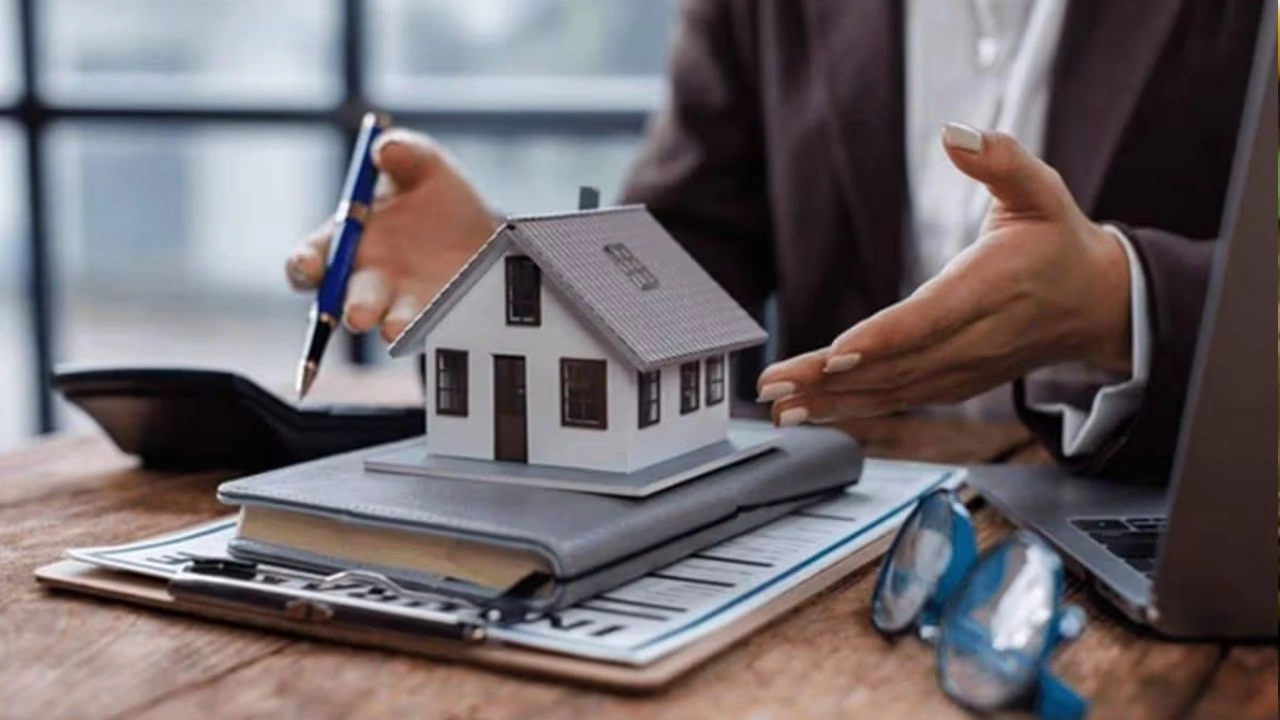
Home Ownership Legal Documents: The registry only proves that the seller has transferred the property to the buyer after receiving the agreed amount. To become the full legal owner, some other important documents must be completed. Let’s find out what those five essential documents are.
These five documents are required to become the legal owner
Home Ownership Legal Documents: People often assume that they become the legal owners of a property upon its registration. However, this is not entirely true. Registration only proves that the seller has transferred the property to the buyer after receiving a fixed amount. To become the full legal owner, several other important documents must be completed. Let’s explore these five essential documents.
Mutation (Admission-Rejection)
The most important process after the registry is mutation. This process involves replacing the old owner’s name with the new owner’s in the municipal or revenue department records. If the mutation is not done, the old owner’s name remains in government records, which could lead to fraud or other legal problems in the future.
Possession letter
A possession letter is a document that the builder or property seller provides to the buyer. It proves that physical possession of the property has been handed over to you. This document is also considered crucial for proving ownership in the future.
Encumbrance Certificate
An encumbrance certificate indicates whether the property you’ve purchased is subject to any existing bank loans, outstanding dues, or legal disputes. It’s crucial to check this document before purchasing a home.
Property tax receipt
After registration and mutation, you must pay property tax in your name to the Municipal Corporation or the relevant local body. The tax receipt serves as proof that the property is registered in your name and that you are a regular taxpayer. It also helps prove ownership, if necessary.
NIGHT
If you’re buying a flat or home in a society or apartment, be sure to obtain a No Objection Certificate (NOC) from the builder or Resident Welfare Association (RWA). This ensures there are no pending disputes or dues related to the property and reduces the likelihood of future problems.