Software work moves fast now. Teams are pushed to ship features quickly but still keep quality, safety, and steady behavior. Codebases have also grown, and review time can get tight. When every change must be checked by people, it can start to feel like a bottleneck. That is where AI code review tools come in. They also review code before it goes live. This kind of code review does not mean you swap out developers.
It is more like another set of eyes. With an extra check in place, bugs and weak spots are more likely to show up early. Teams still make the final decision. They use human judgment for the final step. This style works well for groups that want fast feedback. At the same time, they keep control of how the work ships.
What are AI code review tools?
They try to find issues in the changes. Many tools cover bug risks, security weaknesses, coding habits, and overall consistency. For a long time, basic automated scanners have been around. They compare code to fixed rules. They then flag certain patterns that can point to trouble. AI tools add more depth, and others use large language models. They aim to read code in a broader way and then write feedback that sounds more connected to the context. This can help developers make sense of the output and decide what to do next.
Faster feedback while building
A major reason teams look at AI code review is speed. In a normal process, a developer submits a change and waits for a teammate to review it. Human review is still needed, of course. Yet reviewers might be busy with other tasks. They might also face a long list of pending changes. An automated AI review can run soon after the code is submitted. That means the person making the change gets results earlier, instead of waiting as long. Early input matters a lot when the same issue keeps showing up.
When a similar mistake appears in different pull requests, an automated check can mark it each time. That means a senior engineer does not have to spot the same pattern over and over. Teams can then use more time for human review on the parts that need more background. That includes architecture, business rules, and key calls that are hard to judge without context.
Finding Bugs Before Release
Bugs can cost more once the work is live. In production, bugs can lead to app failures. They can also cause a weak user experience. It may also call out an area where error handling seems thin. The key term is potential. A warning from an AI tool is not a sure sign that a real bug exists. A developer still has to read the surrounding code. They must decide if the concern actually matters. The system can also miss the real intent.
Supporting Security Reviews
Security checks are also part of automated code review. AI tools can look for patterns tied to common security flaws. They might spot risky handling of user input. They can also point to auth code that looks off. Or they may flag other choices that should be reviewed more closely. This adds one more step that focuses on security. Still, AI code review should not be treated as the full security answer. Real security gaps can come from many places. Real risks depend on design choices, servers and networks, setup details, and how multiple parts talk to each other.
Improving code consistency
Big codebases usually have many people editing the same files. When there are no shared rules, teams may drift in how they name things, organize code, and implement features. Automated review can flag mismatches in those areas.
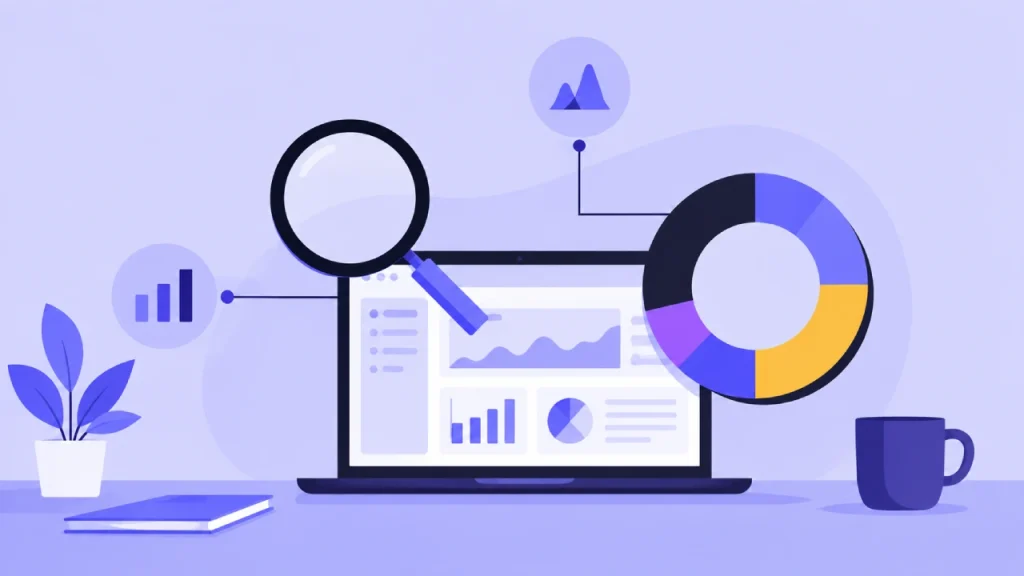
An AI reviewer can also suggest edits that fit the way the project already does things. This can help when teams are large, and keeping style uniform by hand is hard. Even so, teams should decide what advice is worth acting on. Small style gaps are not always a real risk. If the review flags too much, developers can get buried in minor notes.
Reducing repeated review work
Code review by humans takes time and focus. A reviewer must read what the change does, consider possible side effects, and check it against project standards. AI tools can handle some routine checks first. That can lead to a two-step process. The automated part can catch common patterns and obvious problems. Humans can then spend time on what needs real judgement. For an engineering team, the main point is not just how many issues an AI tool reports.
Final Thoughts
AI tools for code review are starting to show up more in everyday software work. They can catch likely bugs, security risks, and style mismatches. They can flag the wrong issues. They may miss key context from the wider system. There are also privacy concerns. At times, the suggestions are simply wrong. So teams should not treat AI output as the final truth. A better path is to use AI as a helper, not as the judge. Let it scan for repeated patterns and point to spots worth checking. Then let people do the real work. Developers should read the requirements, weigh the risks, and decide what gets approved.
(Source)