

Podcast creation often starts long before recording begins. Creators need to collect topic ideas, prepare interview questions, capture guest insights, and organize research into a clear episode structure. An iFLYTEK smart recorder can help turn voice notes, interviews, and long conversations into more useful content materials instead of leaving everything buried in raw audio files.
For creators, journalists, marketers, and researchers, iFLYTEK offers AI-powered recording tools that support clearer audio capture, transcription, and review. Instead of manually replaying every recording from start to finish, users can work from searchable text, summaries, and organized notes, making the content planning process faster and more structured.
Why Content Creators Need More Than Basic Audio Recording
A basic recorder can save audio, but content creators usually need more than a saved file. Podcast planning requires ideas, quotes, themes, questions, and follow-up points. If these details are trapped inside a long recording, the creator still has to spend extra time finding what matters.
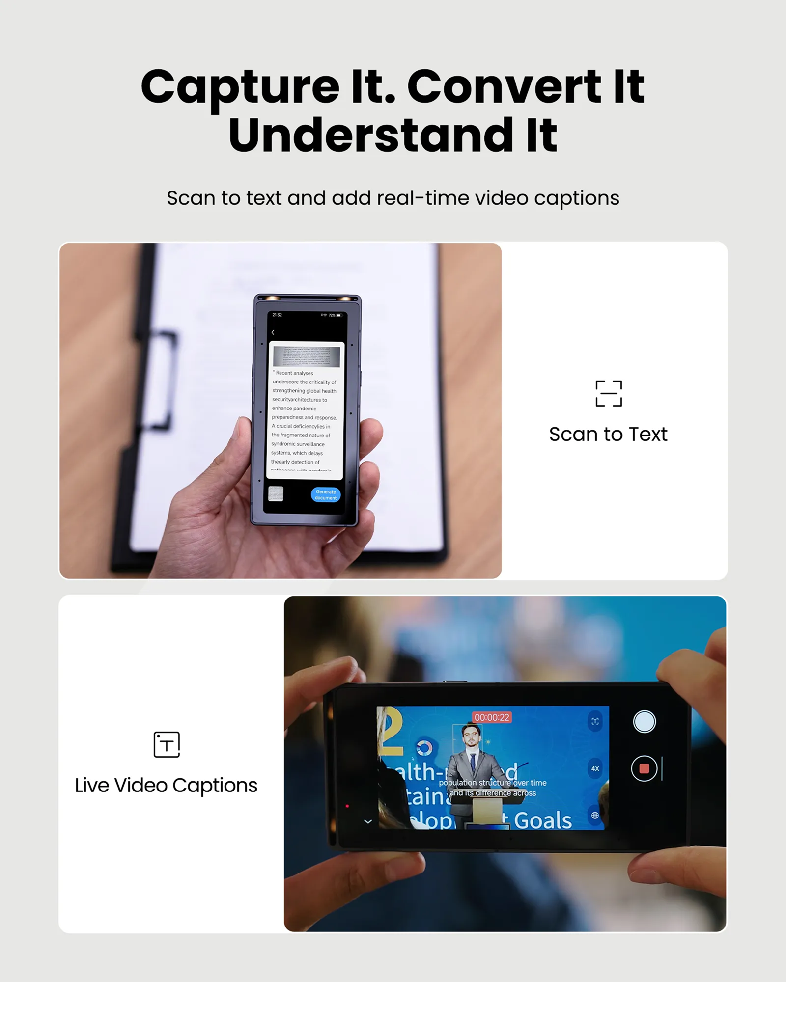
An AI voice recorder makes recorded material easier to use after the conversation ends. It can support transcription, keyword search, and summary review, helping creators move from raw audio to workable content notes. This is especially helpful when planning multiple episodes, interviewing several guests, or researching a complex topic.
For podcasters, efficiency matters. A strong idea may come during a walk, a guest may share an unexpected insight, or a research discussion may reveal a new angle. Capturing these moments clearly helps creators build stronger episodes with less manual cleanup afterward.
Planning Podcast Topics from Voice Notes and Rough Ideas
Many podcast ideas begin as rough thoughts rather than polished outlines. A creator may think of a topic while commuting, reading an article, or preparing for another interview. Writing everything down immediately is not always convenient, but recording a quick voice note can keep the idea from being forgotten.
With an AI voice recorder, those rough ideas can become easier to review later. Instead of scrolling through unnamed audio clips, creators can use transcriptions or summaries to identify promising themes. A short voice note about “remote work burnout,” for example, can later become a full episode angle with guest questions, audience pain points, and supporting examples.
This process also helps creators maintain a content pipeline. Ideas can be grouped by topic, audience interest, episode format, or guest type. Over time, recorded thoughts become a practical planning library rather than disconnected audio fragments.
Recording Interviews with Clearer Context and Better Recall
Interviews are one of the most valuable sources of podcast content, but they can also be difficult to manage. A guest may share useful stories, data points, personal experiences, or strong opinions throughout the conversation. Without a clear review method, important details can be missed during editing or script preparation.
An AI voice recorder helps creators focus more on the interview itself. Instead of worrying about writing down every quote, they can listen actively, ask better follow-up questions, and keep the conversation natural. After the interview, transcription and summaries make it easier to locate strong moments and key ideas.
This is useful not only for podcasters but also for journalists, content marketers, and researchers. When the goal is to turn a conversation into an article, video script, newsletter, or research brief, accurate interview records make the next stage much easier.
Using Transcriptions to Find Quotes, Themes, and Story Angles
Long recordings can contain excellent content, but finding it manually takes time. A one-hour interview may include several useful quotes, repeated themes, and unexpected story angles. Without transcription, creators may need to replay large sections just to find one sentence.
Transcriptions make recorded conversations searchable. Creators can look for specific terms, product names, questions, or topics. This helps them quickly locate the exact part of the interview they need for an episode outline or promotional clip.
Text-based review also makes patterns easier to spot. If several guests mention the same challenge, that theme may deserve its own episode. If one answer contains a strong emotional moment, it may become the opening hook. By turning audio into text, creators can analyze conversations more clearly and make better editorial decisions.
Building a Faster Research-to-Content Workflow
A good podcast workflow should connect research, recording, planning, and production. When each step is separated, creators waste time moving information between tools. Voice notes stay in one folder, interview recordings sit somewhere else, and written outlines are created manually from memory.
An AI voice recorder can help bring these pieces closer together. Creators can capture research ideas, record interviews, review summaries, extract useful points, and build outlines from the same source material. This does not remove the creative work, but it reduces repetitive review tasks.
For podcast teams, this can also improve collaboration. Producers, writers, editors, and hosts can work from clearer notes instead of relying only on raw recordings. Everyone can understand the main points faster and move more confidently into scripting, editing, and publishing.
In podcast planning, interviews, and content research, the real value of an AI voice recorder is not just saving sound. It helps creators turn spoken information into organized material they can search, shape, and reuse. That makes the entire content workflow more efficient from the first idea to the final episode.


Comments are closed.