By Obnews Editorial Staff
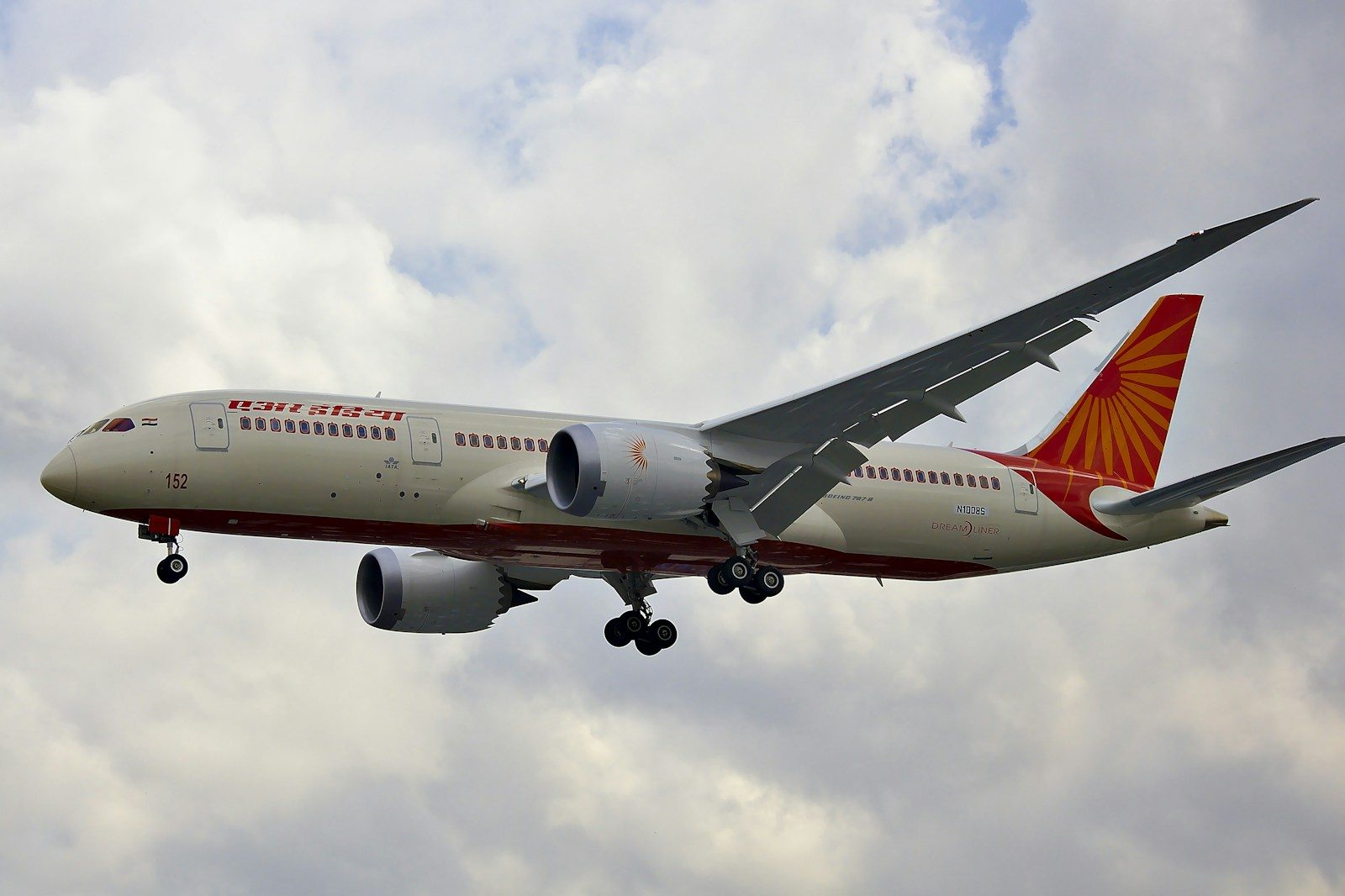
Air India is aggressively expanding its nonstop Toronto service at the same moment the airline is facing renewed questions about passenger safety. On August 1, Air India restored daily nonstop flights between Delhi and Toronto using a new Boeing 787-9. Just three days later, passengers aboard another Air India flight were reportedly thrown into the ceiling and across the aisle during a sudden midair drop that injured passengers and crew.
Air India flight AI2379 was travelling from Phuket to Delhi on August 4 when its Airbus A320neo experienced what authorities described as a sudden loss of altitude during cruise. The aircraft was carrying 137 passengers and eight crew members. Passengers described people being lifted from their seats, striking overhead panels and landing in the aisle as the aircraft reportedly dropped approximately 300 feet.

Later media reports placed the number of injured at 17, including 13 passengers and four crew members. Reuters, citing the Indian government, initially reported that eight passengers and four crew members were taken to hospital. At least one crew member was reportedly seriously injured, while other passengers suffered cuts, head injuries and trauma. The aircraft eventually landed safely in Delhi. Indian authorities have secured the flight data recorder and cockpit voice recorder as part of an investigation.
The disturbing incident occurred only days after Air India celebrated its Canadian expansion. The airline removed the Vienna fuel stop from its Delhi to Toronto service, cutting the journey by nearly three hours and increasing service from five flights per week to seven. Air India is also introducing three weekly nonstop flights between Mumbai and Toronto from October 25, 2026, until March 26, 2027. Its winter schedule will include 20 weekly flights between India and Canada. Air India says the expansion will add thousands of seats and provide travellers with newer or upgraded aircraft.
The Phuket incident does not prove that Air India’s Toronto flights are unsafe. Severe turbulence can affect any airline, and investigators have not yet determined whether weather, aircraft systems, operational decisions or a combination of factors caused the sudden altitude change. The aircraft involved was a seven year old Airbus A320neo, while the daily Delhi to Toronto route is being operated with a new Boeing 787-9. Those distinctions are important.
However, Canadians also have reason to demand more than promotional statements about new seats, premium cabins and shorter travel times. Air India is still rebuilding public confidence after the June 2025 crash of Flight AI171 in Ahmedabad, which killed 260 people aboard the aircraft and on the ground. The final cause of that disaster remains under investigation.
The airline has also faced serious regulatory findings. In 2025, India’s aviation regulator investigated Air India after an aircraft was operated eight times without a valid airworthiness review certificate. An annual audit reportedly identified 51 safety lapses involving pilot training, simulator approvals and crew scheduling. Air India acknowledged the certificate lapse and suspended the personnel involved.
Separate inspections also found three Air India Airbus aircraft had operated despite overdue checks on emergency escape slides. The regulator criticized what it called weak procedural control, inadequate internal oversight and failures to correct previously identified deficiencies. Air India responded by accelerating the verification of its maintenance records.
There is important evidence on the other side. Enhanced inspections conducted after the Ahmedabad crash found no major safety concerns across Air India’s Boeing 787 fleet, and the regulator said the inspected aircraft and maintenance systems complied with existing safety standards. The new aircraft serving Toronto should therefore not automatically be treated as dangerous. Nevertheless, a new aircraft cannot by itself resolve questions about training, internal oversight, emergency coordination and the airline’s broader safety culture.
Before Air India continues expanding from Toronto, Canadian passengers deserve clear answers about the Phuket incident, the status of previous regulatory findings and the safety controls protecting travellers on ultra long haul routes. Air India should release the investigation findings when available and explain what additional measures it will take to prevent turbulence injuries, improve emergency response and ensure that rapid growth does not place pressure on safety systems.
Passengers should also keep their seatbelts fastened whenever they are seated, even when the warning light is off. Sudden turbulence can occur without enough time for passengers or crew members to react. The Federal Aviation Administration recommends remaining buckled throughout a flight, following crew instructions and paying close attention to the safety briefing.
Air India’s Toronto expansion offers Canadian families faster and more convenient connections to India. But convenience cannot silence legitimate safety questions. Canadians should not panic, but they should demand transparency, strong oversight and proof that Air India’s safety culture is improving as quickly as its international network.