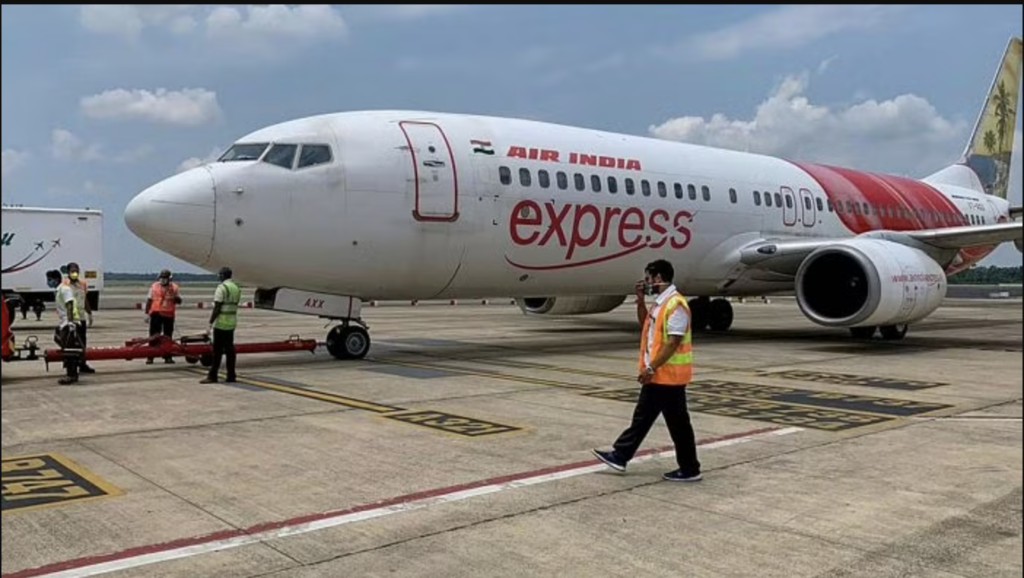
Air India Seeks Fresh $1.5 Billion Funding
Air India is seeking around $1.5 billion in fresh equity funding from its owners, Tata Sons and Singapore Airlines, as the airline faces mounting losses while continuing a massive transformation programme.
The proposed funding would be one of the largest shareholder capital requests since the Tata Group took control of Air India in 2022.
The request comes after the airline and its budget subsidiary, Air India Express, reported combined losses of around $2.33 billion for the financial year ended March 2026.
Losses More Than Doubled
Air India’s latest financial performance highlights the scale of the challenge facing the airline.
The combined loss of $2.33 billion was more than double the previous year’s loss, putting additional pressure on the group’s turnaround plans.
The losses have also affected Singapore Airlines, which owns approximately 25% of Air India.
The proposed capital infusion is therefore aimed at giving Air India additional financial strength while it continues investing heavily in its fleet, technology and operations.
Tata Sons And Singapore Airlines Would Fund It
The proposed $1.5 billion would come from Air India’s two shareholders, Tata Sons and Singapore Airlines.
Singapore Airlines would need to contribute its share of the proposed investment for the funding plan to proceed.
The money could be injected in multiple tranchesrather than being transferred to the airline all at once.
However, discussions are still ongoing and no final decision has been made.
Air India’s Turnaround Is Proving Expensive
When Tata Group regained control of Air India, the airline embarked on one of the most ambitious transformation programmes in Indian aviation.
The plan involves modernising the fleet, refurbishing existing aircraft, improving customer experience, upgrading technology and restructuring the organisation.
But transforming an airline with decades of accumulated operational and technological challenges requires enormous capital.
Air India is now seeking additional funding to maintain that transformation despite the sharp increase in losses.
Geopolitical Disruptions Have Made Things Worse
Several external events have complicated Air India’s recovery.
The continued restrictions on Indian carriers using Pakistani airspace have forced airlines to take longer routes on several international services.
That increases flying time, fuel consumption and operating costs.
Air India’s international network has also been affected by geopolitical instability in the Middle East, creating additional disruption to routes and schedules.
These factors have arrived at an especially difficult time for an airline already undertaking an expensive restructuring.
The Air India Crash Added Another Challenge
Air India’s recovery has also been affected by the deadly crash involving one of its aircraft last year.
The accident resulted in significant loss of life and created additional pressure on the airline as it dealt with investigations, operational consequences and heightened scrutiny.
For an airline already undergoing a major transformation, the incident added another layer of complexity.
Hundreds Of New Aircraft Are On Order
Air India’s transformation includes a massive aircraft acquisition programme involving Airbus and Boeing.
The airline has placed orders for hundreds of new aircraft as part of its effort to modernise its fleet and expand its network.
However, financing and absorbing such a large fleet expansion is a major undertaking.
With losses rising, Air India has also sought to defer some aircraft deliveries as it looks for ways to control costs and manage its cash requirements.
Cost Cutting Is Becoming A Priority
The airline is now under pressure to reduce its losses while maintaining its long-term transformation plans.
Deferring aircraft deliveries is one measure that can reduce near-term financial pressure.
Other cost-control efforts are also expected as Air India attempts to improve efficiency and bring its operations closer to profitability.
The challenge is to cut unnecessary costs without undermining the investment required to build a competitive global airline.
Air India May Need More Capital In The Future
The proposed $1.5 billion funding is unlikely to be viewed as the final capital requirement for Air India’s transformation.
The airline is undertaking a long-term restructuring involving aircraft, technology, infrastructure and organisational changes.
Its leadership has previously indicated that the turnaround could take up to a decade.
That means the company may require additional capital over the coming years before the transformation is fully completed.
Singapore Airlines Remains Committed
Singapore Airlines, despite the financial impact of Air India’s losses, has continued to support the airline’s transformation programme.
Its approximately 25% ownership stake means it has a significant financial interest in the success of Air India’s turnaround.
Any future funding requirement will therefore have implications for both shareholders.
For Singapore Airlines, Air India’s long-term growth potential remains important, but the continuing losses make the investment more challenging.
Tata Group Faces A Difficult Balancing Act
For Tata Sons, Air India represents a major strategic investment.
The group is attempting to rebuild the airline into a modern global carrier capable of competing with leading international airlines.
But the latest losses demonstrate that the transformation is taking place against difficult operating conditions.
Tata therefore faces a delicate balance between providing sufficient capital for long-term growth and ensuring that Air India becomes financially disciplined.
Why The Funding Matters
The additional $1.5 billion would provide Air India with greater financial flexibility at a crucial stage of its turnaround.
It could help the airline continue upgrading its fleet, refurbishing existing aircraft, improving technology and supporting operations while it works towards reducing losses.
Without sufficient capital, an aggressive transformation programme could face delays.
The funding request therefore reflects both the scale of Air India’s ambitions and the financial challenges involved in achieving them.
Air India’s Road To Profitability Is Still Long
The latest developments show that rebuilding Air India is unlikely to be a quick process.
The airline has to deal with high operating costs, fleet modernisation, supply-chain constraints, geopolitical disruptions and the challenge of integrating its various businesses.
At the same time, it needs to improve the passenger experience and compete against increasingly strong domestic and international rivals.
The transformation therefore requires patience as well as substantial financial resources.
The Big Question Is When Losses Will Come Down
The most important test for Air India will ultimately be whether its enormous investment programme translates into sustainable profitability.
Fresh capital can provide breathing room, but it cannot by itself solve structural problems.
The airline will need higher operational efficiency, stronger revenues, better aircraft utilisation and disciplined cost management.
If those improvements materialise, the current funding could become an important bridge towards long-term profitability.
If losses continue rising, however, shareholders could face further funding requirements.
Air India’s Transformation Enters A Critical Phase
Air India’s request for around $1.5 billion from Tata Sons and Singapore Airlines underlines the scale of the challenge facing India’s flag carrier.
The airline is attempting to rebuild its fleet and operations while dealing with record losses and major external disruptions.
The proposed funding would provide additional financial support, but it also raises questions about how quickly the turnaround can deliver results.
For Tata and Singapore Airlines, the next phase will be about turning billions of dollars of investment into a sustainable, globally competitive airline.
Summary
Air India is seeking around $1.5 billion in fresh equity from Tata Sons and Singapore Airlines after reporting combined losses of $2.33 billion with Air India Express for the financial year ended March 2026. The proposed funding could be provided in tranches and would support the airline’s costly transformation. Geopolitical disruptions, airspace restrictions, fleet challenges and the expense of modernising operations have made the turnaround significantly more difficult.