
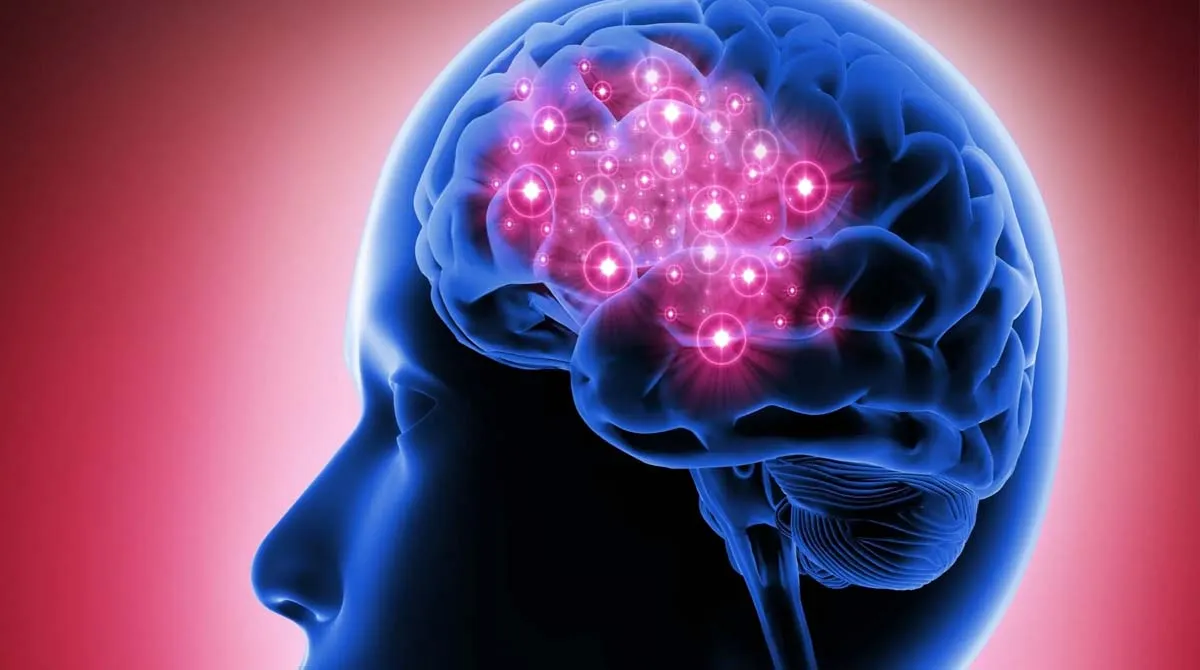
Air pollution is making your brain age by 10 years! Scientists give big warning regarding loss of memory

The dangerous effects of air pollution are no longer limited to just our heart and lungs, but it is also directly affecting our brain. A new and shocking scientific study has claimed that prolonged exposure to toxic air and air pollution can have a very serious effect on a person’s memory and cognitive ability.
According to researchers, the damage caused to our brain due to polluted air can be equivalent to natural aging of about 10 years. That is, if you are continuously breathing in a polluted environment, your brain starts behaving 10 years older than its actual age.
Big claim in research of American institutions
This important study has been jointly conducted by researchers from American institutions UC Davis Health and Kaiser Permanente. In this research, the effects of long-term exposure to extremely small particles, which we know as fine particulate matter (PM 2.5) have on brain health were examined in detail.
Researchers said in their report that smoke emanating from forest fires, power plants based on fossil fuels (coal, petrol-diesel), rapidly growing Artificial Intelligence (AI) data centers and high fuel-consuming vehicles running on the roads are continuously making the air quality worse. According to the study, these pollutants are not only harming the environment but are also posing a huge and serious threat to the human brain.
Result of living in polluted air for 20 years
During this scientific study, it was found that people who lived in highly polluted environments or cities for about 20 years, their memory power was much weaker than those who lived in clean air. During the research, the ability of the participants to remember facts, words and general information was rigorously tested. The results that emerged surprised everyone. The scores of people living in more polluted areas were consistently much lower than those of people living in cleaner environments.
Semantic memory is being worst affected.
According to scientists, the most lethal and direct effect of pollution has been seen on the “semantic memory” of humans. Semantic memory is actually a special ability of the brain through which a person remembers words, their correct meaning, different concepts and general knowledge and uses them during conversation in his daily life.
Catherine Conlon, senior author of this study and professor in the Department of Public Health Sciences at UC Davis, expressed concern over this, saying that semantic memory is very important for effective communication in society, understanding language, processing any new information and handling small and big everyday tasks. Due to its weakness the entire life of a person can be affected.
There is a dire need to improve air quality
Researchers believe that this new study further strengthens the growing scientific evidence regarding the mutual relationship between air pollution and serious health problems. Scientists have appealed to governments and the general public that strong measures need to be taken immediately to improve air quality and reduce long-term exposure to harmful pollutants. Only by doing this can we completely protect our physical health as well as our mental and cognitive health.

Comments are closed.