
Ambani Family Steps Forward With Plan to Relocate Escobar’s Infamous “Cocaine Hippos” From Colombia to India – Obnews

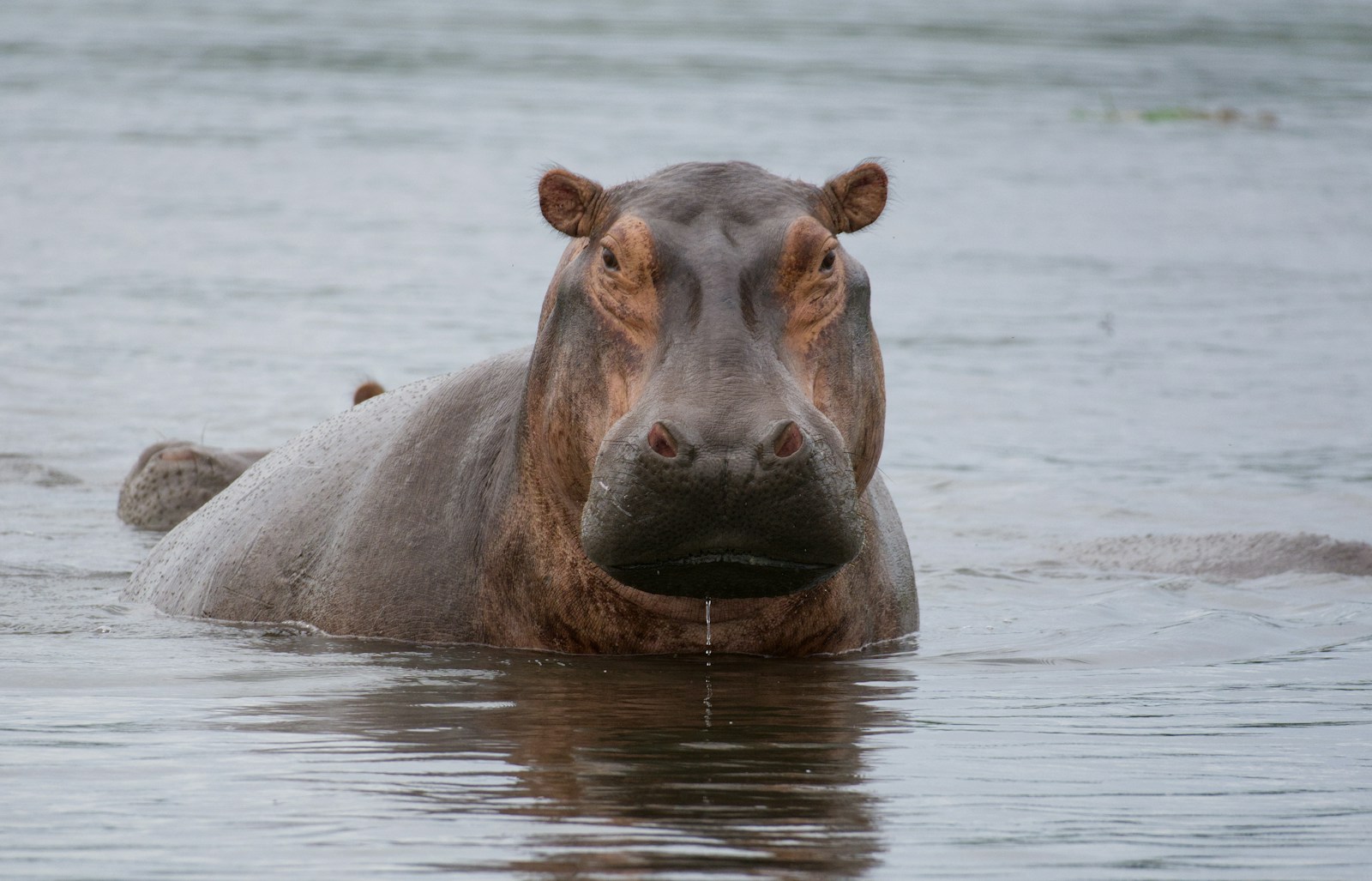
A surprising proposal from India has entered Colombia’s long-running debate over how to manage the rapidly growing population of so-called “cocaine hippos,” descendants of animals once owned by notorious drug trafficker Pablo Escobar. Anant Ambanison of billionaire industrialist Mukesh Ambanihas offered to relocate the animals to his family’s wildlife rescue facility in India instead of allowing them to be culled.
The proposal was delivered through a formal letter to Colombia’s environment ministry by representatives of the Missing conservation centre in Gujarat. The facility stated it is prepared to provide permanent care for the hippos, emphasizing its belief that protecting animal life should remain a global responsibility wherever possible.
From Escobar’s Private Zoo to a National Environmental Challenge
The unusual wildlife crisis traces back to Escobar’s luxury estate, Hacienda Napoleswhere the cartel leader illegally imported exotic animals in the 1980s, including a pair of hippopotamuses. After his death in 1993, the animals were left behind and gradually spread through nearby wetlands and waterways, particularly along the Magdalena River basin.
With no natural predators and favourable environmental conditions, the herd multiplied rapidly. Today, they are believed to form the largest population of wild hippos outside Africa. Colombian authorities have struggled for years to control their expansion through sterilization programs and relocation attempts, but those efforts have had limited success.
Colombia Moves Toward Culling as Risks Increase
Officials now consider the animals an invasive species that threatens local ecosystems and displaces native wildlife. Concerns have also grown among communities living along riverbanks, where encounters with the massive animals have occasionally turned dangerous. Adult male hippos can weigh up to three tonnes and are widely regarded as among the most aggressive large mammals in the world.
Facing mounting ecological and public safety concerns, Colombia recently approved plans to cull approximately 80 hippos as part of a broader population control strategy. The move has sparked debate among conservationists and animal welfare advocates, with some urging authorities to explore alternatives before resorting to lethal measures.
India’s Vantara Facility Offers Alternative Solution
The Ambani family’s wildlife centre, located near Jamnagarhas positioned itself as a possible alternative destination for the animals. Spread across thousands of acres and home to a wide range of rescued species including elephants and big cats, the centre claims it can provide long-term care for the hippos if Colombia approves their transfer.
Supporters of the proposal say relocation could address ecological concerns in Colombia while avoiding the need to destroy the animals. However, authorities in Colombia have not yet responded publicly to the offer.
Conservation Debate Continues Around Private Zoo Proposal
The relocation suggestion has also drawn scrutiny from some wildlife activists, who question whether the climate and habitat conditions in western India would be suitable for African hippos. Others argue that moving such a large group of animals across continents would present major logistical challenges.
Even so, the unexpected intervention from the Ambani family has reopened international discussion about the future of Escobar’s legacy herd. As Colombia weighs its options, the fate of the so-called cocaine hippos remains uncertain, balancing environmental priorities, animal welfare concerns, and practical realities.

Comments are closed.