
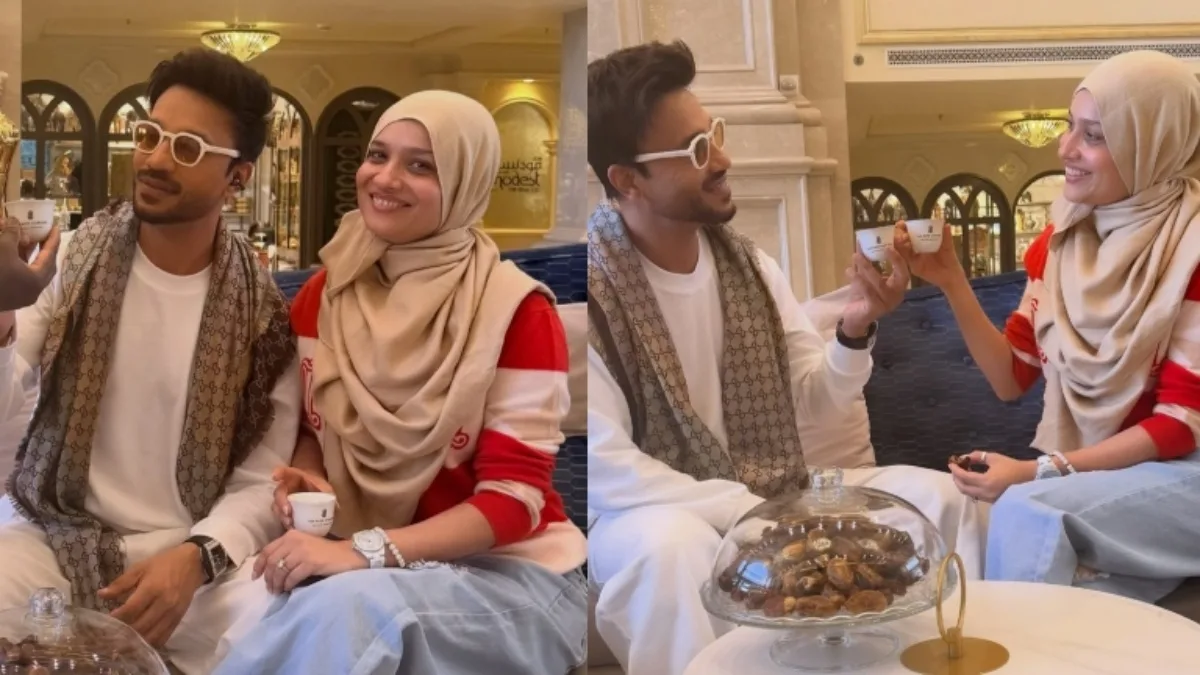

Television actor Ankita Lokhande has found herself at the centre of a social media controversy after sharing photographs from her recent vacation in Abu Dhabi with husband Vicky Jain. The actor was trolled online after she posted images from a mosque visit where she was seen wearing a hijab, prompting a debate among internet users over cultural practices and religious sensitivity.
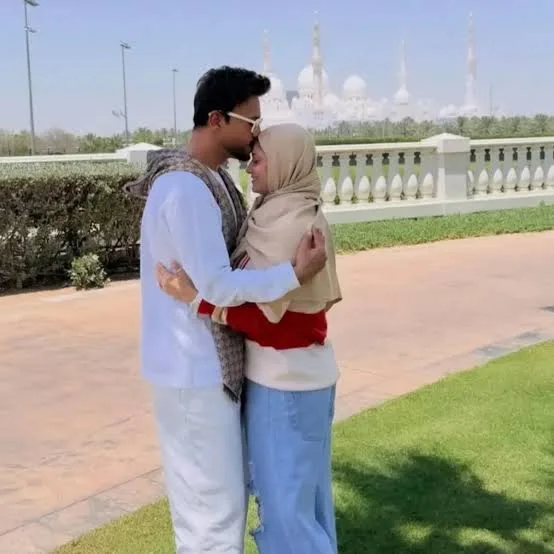
Ankita and Vicky had travelled to the UAE for a short holiday and regularly shared updates from their trip on social media. Among the photos posted by the actor were several pictures from a visit to a mosque in Abu Dhabi. In some of the images, Ankita was seen wearing a hijab and modest attire, while other photographs showed her in casual vacation wear. Vicky Jain also appeared alongside her in many of the pictures.
The actor captioned the post with a simple note about enjoying her time in Abu Dhabi and making memories with her husband. However, the hijab photographs quickly attracted attention online and became the focus of discussion in the comments section.
A section of social media users criticised Ankita for wearing the head covering despite belonging to a different faith. Several commenters questioned her decision and argued that she should not have adopted the attire. Others referred to her religious background and posted remarks expressing their disapproval.
As criticism intensified, many fans and supporters came forward in her defence. They pointed out that mosques around the world often require women visitors to cover their heads and dress modestly before entering the premises. According to supporters, Ankita was simply following the rules and customs of the religious site she was visiting.

Several users highlighted that respecting the dress code of a place of worship is common practice regardless of one’s personal faith. They noted that visitors are expected to follow local guidelines when entering temples, churches, monasteries or mosques.
One fan wrote that wearing a headscarf inside a mosque is no different from removing shoes before entering a temple or covering one’s head at a gurudwara. Others urged people not to politicise a simple travel photograph.
The incident soon sparked wider discussions online about cultural respect and religious tolerance. Many users argued that tourists often follow local customs while travelling and that such gestures should not automatically become subjects of controversy.
Interestingly, this is not the first time Ankita Lokhande has faced reactions over similar attire. In 2025, she drew attention after being spotted at Mumbai airport wearing a hijab and greeting paparazzi with “Adaab,” which had also generated mixed reactions on social media.
The latest controversy also reminded many users of similar incidents involving other celebrities. Over the years, several actors have faced criticism for wearing religious attire while travelling or shooting abroad, even when doing so as part of local customs or professional commitments.
Despite the trolling, Ankita did not publicly respond to the criticism. The actor has continued sharing moments from her trip and has not addressed the online debate surrounding the photographs.
Ankita Lokhande rose to fame through the popular television show Pavitra Rishta, where she starred opposite the late actor Sushant Singh Rajput. She later expanded into films and appeared in projects such as Manikarnika: The Queen of Jhansi, Baaghi 3 and Swatantrya Veer Savarkar.
In recent years, she has remained a prominent television personality alongside husband Vicky Jain. The couple gained widespread attention through reality shows such as Bigg Boss 17 and Smart Jodi. They are currently seen together in Laughter Chefs Season 3, where their chemistry and playful interactions continue to attract viewers.
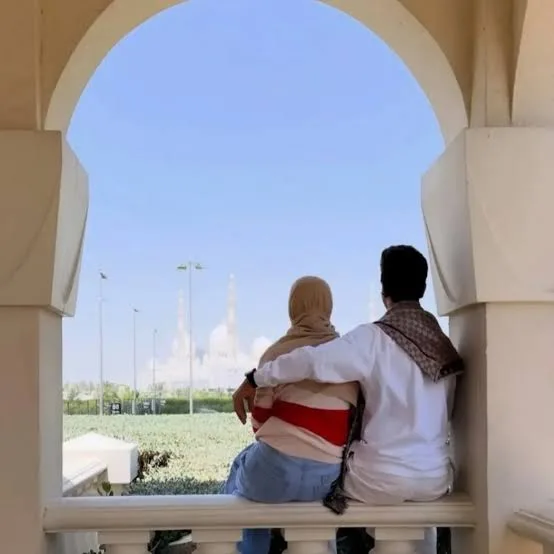
Meanwhile, the Abu Dhabi photographs continue to circulate widely across social media platforms. While critics questioned her choice of attire, a significant section of fans defended the actor, arguing that following the customs of a religious site should be viewed as an act of respect rather than a reason for controversy.
Comments are closed.