
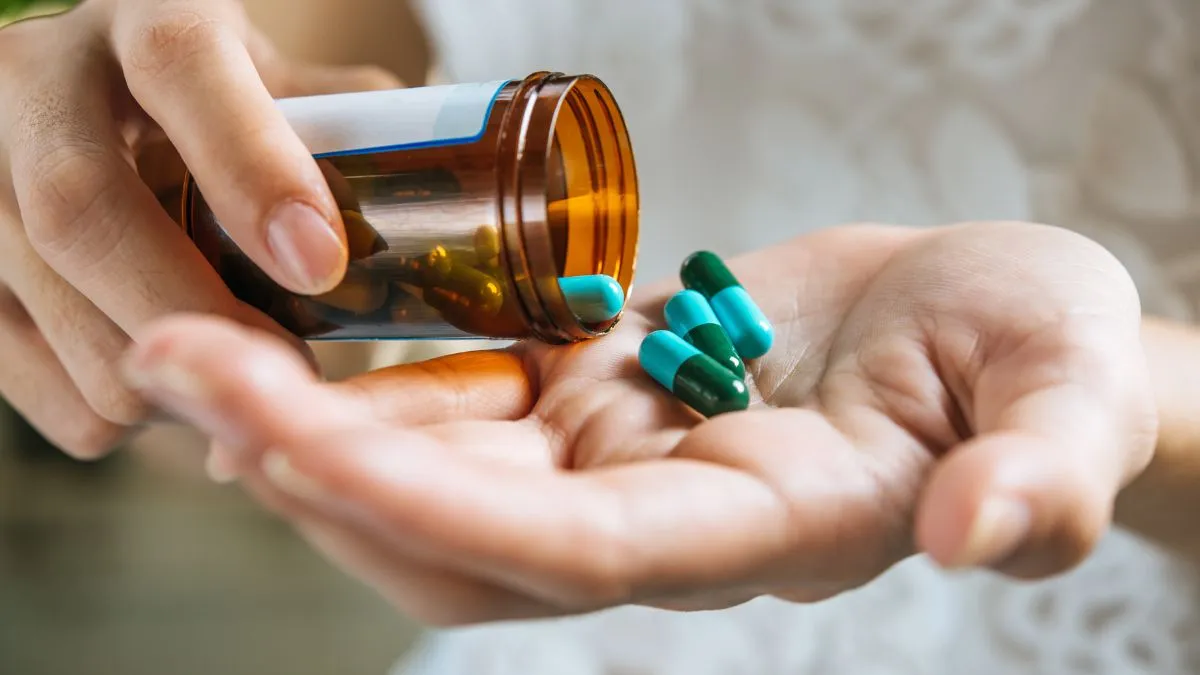
Antibiotic resistance: Are we losing our biggest protection in the era of ‘superbugs’… Know the preventive measures

Antibiotics have been no less than a boon for medical science for the last several decades. From simple throat pain to major surgeries, these medicines have saved the lives of millions of people. But have you ever wondered what would happen if the same medicines suddenly stop working? Doctors say that this ‘protective shield’ is gradually weakening. The indiscriminate and misuse of antibiotics is leading to a serious global health crisis called ‘antimicrobial resistance’ (AMR). What is antibiotic resistance and why is it dangerous? Antibiotic resistance is a condition when bacteria evolve themselves in such a way that medicines become ineffective against them. Dr Ashita Singhal (Pediatric Hematology and Oncology Consultant) explains that bacteria are living and adaptable organisms. When we take antibiotics unnecessarily or incorrectly, the weaker bacteria die, but those that survive turn into more powerful and resistant ‘superbugs’. These superbugs are now capable of making even simple infections fatal. Consumption of antibiotics during cold and cough is the biggest mistake. Often people start taking antibiotic pills themselves when they have viral flu or cold, whereas these medicines work only on bacteria and not on viruses. According to Dr. Singhal, this misuse of medicines has now created the need for more powerful and expensive medicines even for common diseases. This means that many patients who earlier could recover at home, now have to be admitted to hospital and receive intravenous therapy. Fatal danger is increasing for weak patients. The saddest aspect of antibiotic resistance falls on those patients whose immunity is already weak. Antibiotics are life-saving for children undergoing cancer treatment or for organ transplant patients. Dr. Singhal warns, "For such patients, failure of standard medicines is a direct threat to death. When bacteria do not respond to normal antibiotics, we have very little time left to save the patient’s life."
How will this crisis stop? Your one responsibility can save life. To reduce this risk, both doctors and the general public have to be alert: Take only on doctor’s advice: Never self-medicate and do not ask for antibiotics for viral infections. Complete the course: If the doctor has prescribed antibiotics, do not leave the course midway even if you feel well. Do not share medicine: Never give your leftover antibiotics to someone else or take someone else’s medicine yourself. Adopt hygiene: Wash hands frequently and get vaccinated, so that the chances of getting infection are reduced.

Comments are closed.