Reviewed by Dietitian Emily Lachtrupp, M.S., RD
Key Points
- Starbucks faces a lawsuit over “sugar-free” protein drinks containing natural sugar from dairy.
- While the syrups used are sugar-free, the lattes have as much as 21 grams in 20-ounce drink.
- For lower sugar options, try cold brew, Americanos, or unsweetened iced tea with sugar-free syrup.
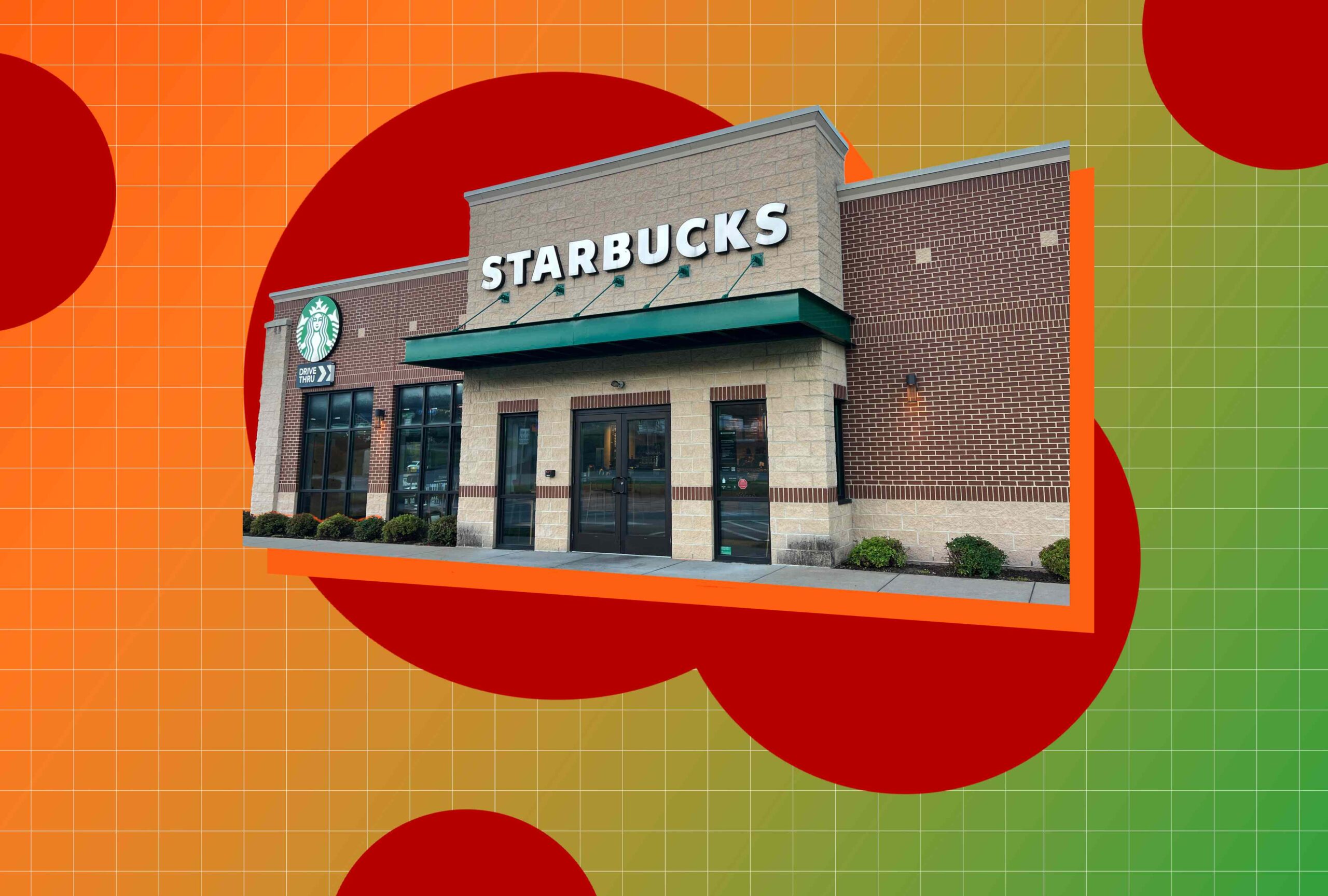
Starbucks is facing a new lawsuit, and protein lovers may want to hear about this one. The suit claims eight of Starbucks’ “Sugar-Free” protein drinks contain up to 21 grams of sugar per Venti drink, which plaintiffs argue violates U.S. labeling rules and misleads consumers. The catch? That sugar comes from milk, not from any added sweetener.
So what does that actually mean for your order? Here’s what’s really going on.
What Does the Lawsuit Allege?
According to the official class action lawsuit website, the plaintiffs accuse Starbucks of mislabeling eight protein beverages as “sugar-free” when they contain between 13 and 21 grams of sugar per 20-ounce serving—that’s a Venti, in Starbucks lingo.
The drinks named in the suit are:
- Sugar-Free Vanilla Protein Latte
- Sugar-Free Caramel Protein Latte
- Sugar-Free Vanilla Protein Matcha
- Sugar-Free Caramel Protein Matcha
- Iced Sugar-Free Vanilla Protein Latte
- Iced Sugar-Free Caramel Protein Latte
- Iced Sugar-Free Vanilla Protein Matcha
- Iced Sugar-Free Caramel Protein Matcha
According to the complaint, Starbucks has described the products as containing “no added sugar” while also incorporating “Sugar-Free” into their names. The plaintiffs are arguing that the word “sugar-free” is misleading. They’re seeking damages and a court order that would stop Starbucks from using “sugar-free” on drinks that contain sugar, even if the sugar comes from a natural source, like dairy milk.
Starbucks disputes the claims. “We believe these claims have no merit,” a Starbucks spokesperson tells EatingWell. “Starbucks has consistently and clearly provided information about its protein beverages, sugar-free options, customization choices and nutritional content across product announcements, menus, marketing materials, Starbucks.com and the Starbucks app, and we intend to vigorously defend ourselves in this matter.”
The case is still in its early stages, and none of the claims have been decided in court.
Are Starbucks Protein Lattes Sugar-Free?
Technically, no. Starbucks maintains that these drinks have no added sugar, and that’s a different claim from being sugar-free. While the caramel flavor in a Sugar-Free Caramel Protein Latte is sugar-free, the whole latte is not.
The FDA allows the term “sugar-free” only on products with less than 0.5 grams of sugar per serving. The lawsuit argues that the drinks fall well above that limit. It also argues that Starbucks didn’t include a calorie disclaimer that federal rules require alongside “sugar-free” claims.
Here’s how the numbers compare. A grande (16-ounce) Iced Sugar-Free Caramel Protein Latte has 9 grams of sugar. The same size Iced Caramel Protein Latte made with regular, sugar-sweetened syrup has 31 grams. Switching to the sugar-free syrup cuts about 22 grams of sugar, which is a meaningful difference. The 31 grams of sugar that is found in the Iced Caramel Protein Latte comes from a mixture of added sugar and natural sugar sources.
Where Does the Sugar Come From?
The sugar in these “sugar-free” drinks comes mostly from milk. Dairy milk naturally contains a sugar called lactose. A cup of cow’s milk has about 12 grams of it, whether it’s skim milk, whole milk or somewhere in between. Protein-boosted milk is still milk, so it still contains some of that sugar. This sugar is part of the milk itself, not something added during processing or at the counter.
That distinction matters for your health. The Dietary Guidelines for Americans and the American Heart Association (AHA) both set limits on added sugars, not the natural sugars found in plain dairy milk or whole fruit. The lawsuit compares the drinks’ sugar to the AHA’s daily recommendation for women (25 grams). But that recommendation refers to added sugars. Naturally occurring lactose doesn’t count toward that limit.
Milk also delivers protein, calcium and other nutrients along with its natural sugar, making it a nutrient-dense option that comes with different considerations than, say, simple syrup.
It’s also worth remembering that an iced latte is mostly ice and milk, with a shot or two of espresso. Espresso has no sugar, and the sugar-free syrup doesn’t add any. So the milk accounts for all 9 grams. In fact, that’s less sugar than you’ll find in a regular, non-protein grande iced latte.
If you’ve been drinking these lattes as a lower-sugar option, the numbers still back that up. The lawsuit doesn’t change what’s in your cup—it’s about whether the name “sugar-free” accurately describes it.
How to Order Less Sugar at Starbucks
Some people managing diabetes may be tracking total carbohydrates, which includes both added and natural sugars. If that’s you, check the nutrition info in the Starbucks app or on Starbucks.com before you order. You can see total sugar for each drink and size there.
If you want a drink with very little or no sugar, these options are hard to beat:
- Cold brew with a splash of milk: Plain cold brew has no sugar, and a splash of milk adds only a gram or two, so you still get a creamy, smooth sip.
- American coffee or unsweetened iced tea: An Americano is just espresso and water, and unsweetened iced tea is brewed tea over ice. Both have zero sugar unless you add milk or a sweetener.
- Iced or drip coffee with sugar-free syrup: If you love a flavored coffee, add one of Starbucks’ sugar-free syrups to your usual brew for a little something extra.
Our Expert Take
A new lawsuit pushes back on Starbucks labeling some of its protein lattes as “sugar-free,” though the drinks do have some sugar content from milk. The drinks don’t contain added sugar, which is an important detail. If you’re limiting added sugars, these drinks can still fit your goals. If you need to keep total sugar as low as possible, cold brew, an Americano or unsweetened tea may be a better fit.