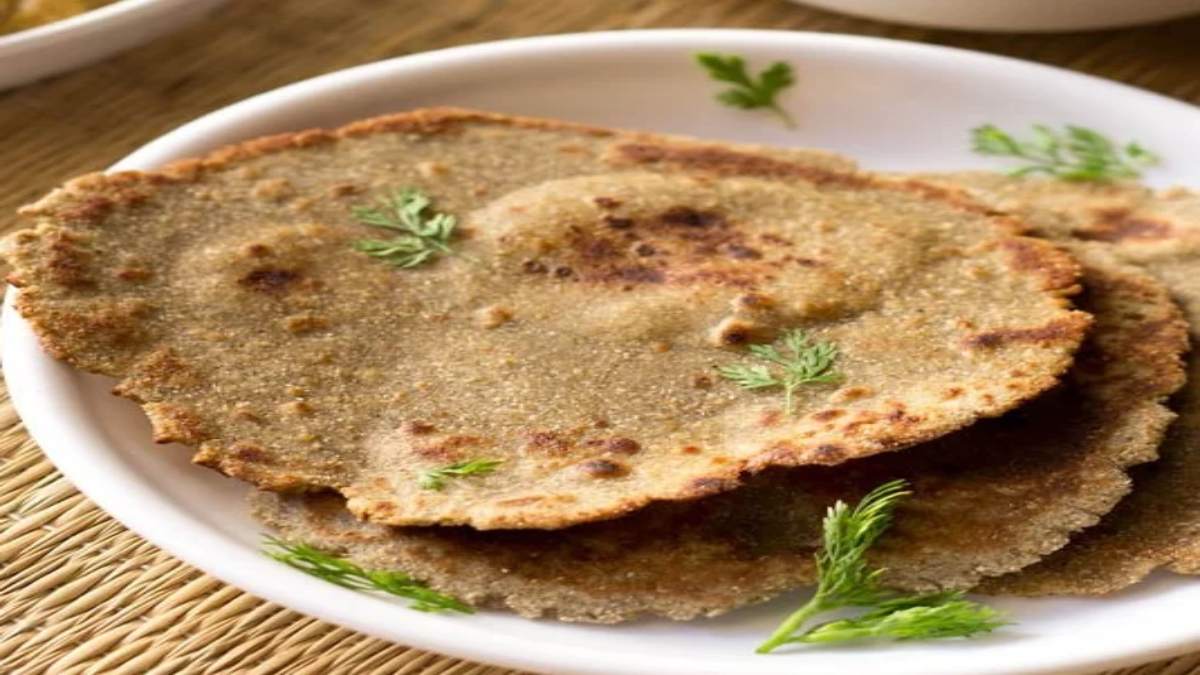
Lifestyle Desk: Eating millet roti is very much liked in winter. Its taste is further enhanced with jaggery, white butter, garlic chutney or mustard greens. Bajra is also called a winter superfood, because many nutrients like fiber, protein, iron and magnesium are found in it. It can help in everything from digestion to giving energy to the body. But do you know that some mistakes made while eating millet roti can prevent you from getting the full benefit of its nutrition? Let us know the benefits of eating millet roti and what things should be kept in mind while eating it.
What are the benefits of eating millet roti?
Millet is a grain rich in nutrients. It contains a good amount of fiber, which can help in keeping the digestive system healthy and preventing the problem of constipation. Apart from this, the magnesium present in it is essential for the normal functioning of muscles and nerves. Iron is also found in millet, which helps the body in producing hemoglobin. At the same time, the protein present in it is helpful in maintaining the muscles and tissues of the body. Millet is a gluten-free grain, so people suffering from celiac disease can include it in their diet. However, they must take care of its purity to avoid cross-contamination.
Do not make these 5 mistakes while eating millet roti
1. Eating more millet bread than required
Millet is rich in fiber, but this does not mean that you should eat too many rotis at one go. Some people may suffer from flatulence, gas or heaviness if they eat more than required. Therefore, decide its quantity according to your hunger, physical activity and digestive capacity.
2. Not including other things in the diet
Many people consider millet roti as a complete meal. This is not the right way. For a balanced meal, include protein sources like pulses, green vegetables, curd or cheese along with bajra roti. This provides different nutrients to the body.
3. Suddenly starting to eat more
If you normally eat wheat or rice and suddenly start eating millet in large quantities every day, it may cause gas and bloating in the stomach. The reason for this could be the fiber present in it. Therefore, start with small amounts and gradually make it a part of your diet.
4. Not drinking enough water
The fiber present in millet is beneficial for digestion, but along with it it is also important to drink enough water. Some people may suffer from constipation due to lack of water. Therefore, despite feeling less thirsty in winter, keep drinking adequate amount of water throughout the day.
5. Not paying attention to the way of making and eating bread
Bajra flour does not bind as easily as wheat flour. That's why many people use too much ghee or oil in making roti. This can add extra calories to the food. Knead the roti properly and cook it on medium flame and use limited amount of ghee.
What is the right way to eat millet roti?
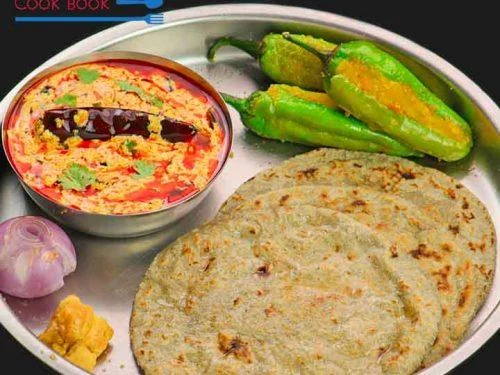
It is better to eat millet roti as a part of a balanced diet. Along with this, you can include mustard greens, fenugreek vegetable, lentils or seasonal green vegetables. If you wish, you can also take a small amount of homemade white butter or ghee. If you are starting to eat millet for the first time, then start with a small quantity. Keep millet flour fresh and store it in an airtight container to avoid moisture.