
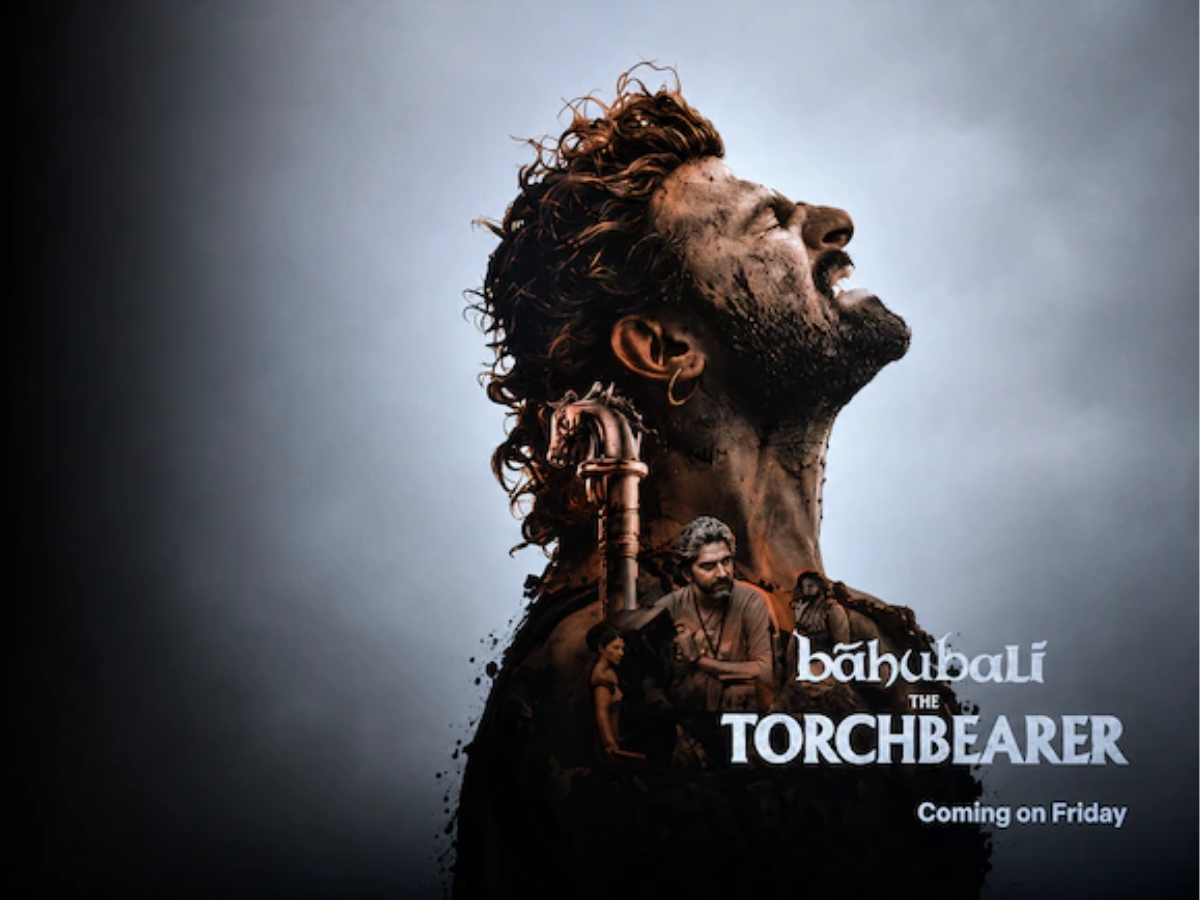
Baahubali: The Torchbearer Explained: What To Expect From Netflix’s Documentary On SS Rajamouli’s Game-Changing Franchise

More than ten years after Baahubali: The Beginning changed the landscape of Indian cinema, the franchise is preparing for another milestone moment. Baahubali: The Torchbearer, a new documentary centered on the iconic film series, is set to premiere on Netflix on June 26. The announcement has immediately sparked curiosity among fans eager to revisit the world of Mahishmati and understand how the ambitious project evolved into a cultural phenomenon.
The documentary arrives at a time when interest in behind-the-scenes storytelling is growing rapidly. Following the success of documentaries and featurettes exploring the making of major films, audiences are increasingly interested in the creative journeys behind cinematic landmarks. For many, Baahubali is more than a blockbuster. It is the film that redefined the scale, reach and commercial potential of Indian cinema in the modern era.
What Will The Netflix Documentary Explore?
While Netflix and the makers have not revealed the complete details of the project, comments from producer Shobu Yarlagadda have provided important clues. According to Yarlagadda, the documentary focuses on the people behind Baahubali—the actors, technicians, writers, designers and creators who helped bring the ambitious vision to life. Rather than simply revisiting famous scenes, the project aims to explore how the franchise impacted everyone involved in its creation.
The documentary is also expected to celebrate the ten-year journey of Baahubali, examining not only its production process but also its lasting influence on Indian popular culture. Industry observers expect extensive interviews, behind-the-scenes footage, archival material and personal reflections from cast and crew members who were part of the historic project. For longtime fans, this could offer a rare opportunity to see how one of Indian cinema’s most ambitious productions was conceived and executed.
Why Does Baahubali Still Matter A Decade Later?
When Baahubali: The Beginning was released in 2015, few could have predicted the scale of its impact. Directed by SS Rajamouli, the film introduced audiences to the fictional kingdom of Mahishmati and delivered a visual spectacle rarely seen in Indian cinema at the time. Its sequel, Baahubali 2: The Conclusion, released in 2017 and became one of the biggest box-office successes in Indian film history.
The franchise helped establish Prabhas as a pan-India superstar and proved that regional-language films could attract audiences across linguistic and geographic boundaries. Perhaps even more importantly, Baahubali changed industry thinking. It encouraged producers to invest in large-scale storytelling and demonstrated that Indian films could compete globally in terms of ambition and presentation. The success of later pan-India blockbusters owes, in part, a debt to the path that Baahubali helped create.
How Did Baahubali Become A Cultural Phenomenon?
The influence of Baahubali extended far beyond box-office numbers. Its characters became household names. Dialogues entered popular culture. Merchandise, animated spin-offs, books and streaming content expanded the franchise into a larger entertainment universe. The famous question, “Why did Kattappa kill Baahubali?” became one of the biggest talking points in Indian entertainment history, dominating conversations for nearly two years between the two films.
Even today, references to the franchise continue to resonate with audiences, highlighting its enduring place in the cultural imagination.
That popularity was evident once again when Baahubali: The Epic, a remastered version combining both films into a single cinematic experience, returned to theatres during the franchise’s tenth-anniversary celebrations. The re-release attracted significant audience interest and emerged as one of the most successful film re-releases in recent years.
Can The Torchbearer Repeat The Success Of RRR’s Documentary?
Comparisons with RRR: Behind & Beyond are inevitable. After the global success of RRR, audiences showed strong interest in learning more about the making of Rajamouli’s Oscar-winning phenomenon. While that documentary found greater traction on streaming platforms than in theatres, it helped extend conversations around the film and its international achievements.
Baahubali: The Torchbearer appears positioned to do something similar. However, the stakes are arguably even higher. Unlike RRR, which explored a recent success story, The Torchbearer revisits a franchise that fundamentally altered the trajectory of Indian cinema.
Why This Documentary Matters Beyond Nostalgia
At first glance, Baahubali: The Torchbearer may seem like a celebration of a beloved franchise. But it is also a record of a turning point in Indian filmmaking. The documentary arrives as the industry continues to embrace bigger budgets, larger worlds and pan-India storytelling. Many of those trends can be traced back to the success of Baahubali. As Netflix prepares to unveil the project, fans are not just revisiting a blockbuster. They are revisiting the film that helped redefine what Indian cinema could achieve.
For audiences who watched the rise of Mahishmati unfold in real time, Baahubali: The Torchbearer promises to be both a nostalgic journey and a fascinating look at the legacy of a franchise that changed the game forever.
ALSO READ: Nayanthara Cheers Samantha Ruth Prabhu As Maa Inti Bangaaram Crosses Rs 25 Crore Worldwide In Just Two Days
Shiwani works as a Senior Sub Editor at NewsX, covering the entertainment beat. With a strong background in media, she is a true cinema buff who loves keeping up with the latest in pop culture and lifestyle trends. After earning her Bachelor’s degree in Commerce, Shiwani followed her passion and pursued a Master’s in Journalism from IIMC, choosing the road less travelled.
The post Baahubali: The Torchbearer Explained: What To Expect From Netflix’s Documentary On SS Rajamouli’s Game-Changing Franchise appeared first on NewsX.

Comments are closed.