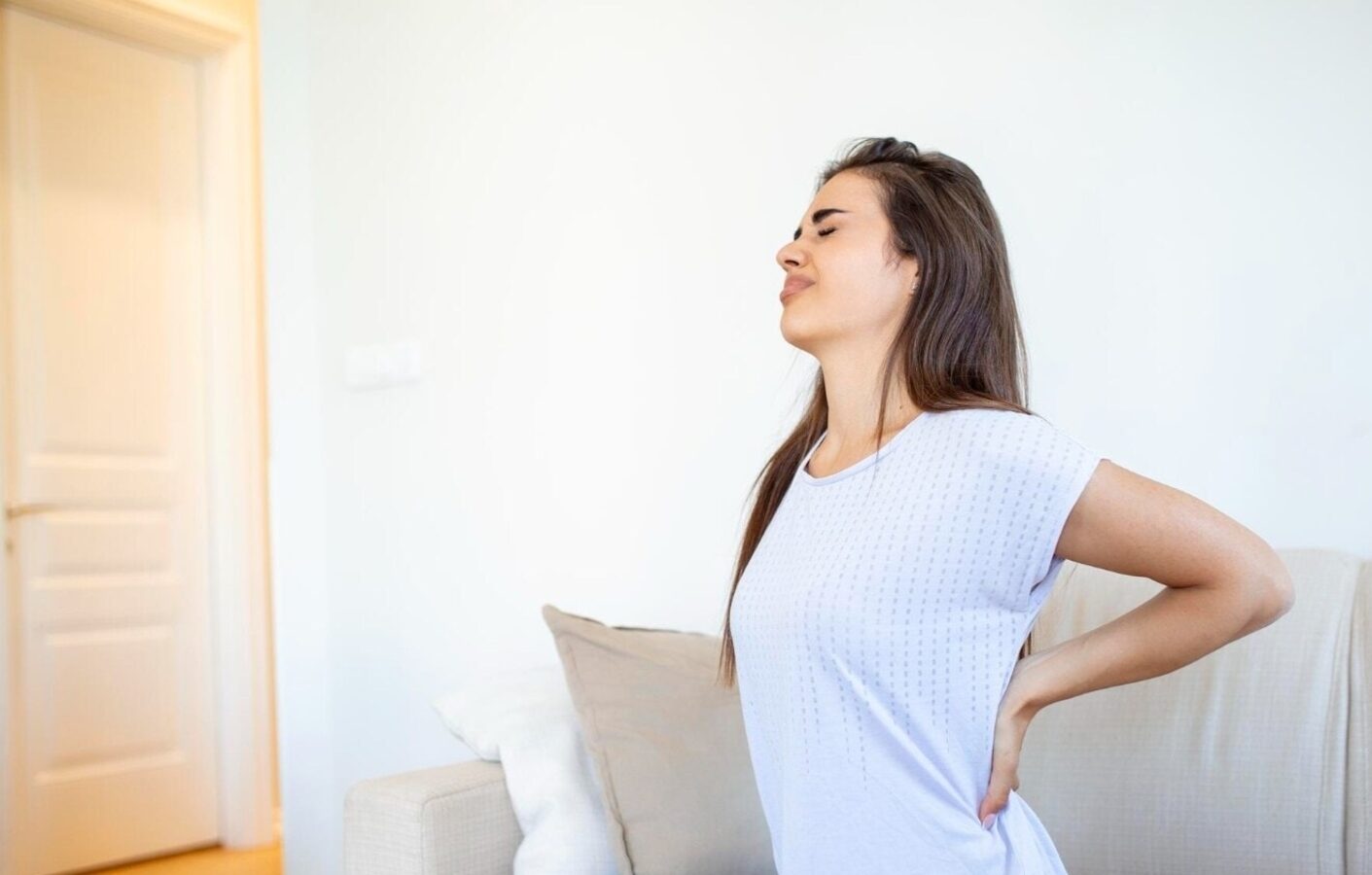
Back and Knee Pain in Your 20s and 30s: Everyday Habits, Warning Signs and When to See a Doctor
Back and knee pain are often associated with ageing, but these problems can also affect people in their 20s and 30s. Long hours at a desk, poor posture, intense workouts and sports-related injuries may contribute to discomfort at a relatively young age.
Many people ignore occasional pain or rely on home remedies such as pain-relief balms and hot water bags. While these measures may provide temporary comfort, they do not always address the underlying cause.
Understanding what may be triggering the pain and recognising warning signs can help prevent minor problems from affecting mobility and quality of life.
Why Are Young Adults Experiencing Back Pain?
Back pain and slipped disc problems are being reported among people in their 20s, 30s and 40s. Greater awareness, easier access to diagnostic scans and changing lifestyles may all contribute to the increased attention these complaints receive.
One of the major lifestyle factors is prolonged sitting. People working in offices or from home may spend eight to 12 hours a day sitting, sometimes with poor posture. This can place additional strain on the lower back and contribute to discomfort over time.
Fitness routines can also become a source of strain when people push themselves too hard. Activities such as running, tennis, pickleball and intense workouts place physical demands on the spine. Increasing exercise intensity too quickly or allowing insufficient recovery time may raise the risk of injury.
Dietary habits may also influence overall spinal health. Spinal discs have a limited blood supply and depend on surrounding tissues for nutrients. A balanced diet supports the body’s overall musculoskeletal health.
Back Pain: Which Warning Signs Should You Not Ignore?
Occasional muscular back pain may settle within a few days. However, severe or persistent discomfort should not be ignored.
Pay attention to symptoms such as:
-
Back pain that is severe or continues for several days.
-
Tingling or numbness in the legs.
-
Pain that travels from the back down one or both legs.
-
Discomfort that repeatedly returns or interferes with everyday activities.
Pain accompanied by tingling, numbness or radiating discomfort may indicate nerve involvement and requires medical evaluation.
Can Home Remedies Provide Relief From Knee Pain?
Knee pain is another common complaint among young adults. Many people use pain-relief balms, hot water bags or warm-water soaks to manage discomfort.
These methods may provide temporary relief, but they do not necessarily treat the underlying cause. Knee pain can result from muscle strains, ligament injuries, cartilage damage or osteoarthritis.
A hot water bag may relax surrounding muscles and improve local blood flow. Pain-relief balms can also create a soothing or cooling sensation that temporarily reduces discomfort.
However, feeling better after using these remedies does not necessarily mean the knee has recovered.
Can Relying on Home Remedies Make Knee Pain Worse?
Using home remedies as the only form of treatment may delay the diagnosis of an underlying injury.
For example, pain caused by a meniscus tear, ligament injury or advanced arthritis may continue even after temporary relief. Continuing activities that put pressure on an injured knee can potentially worsen the problem.
Excessive heat may also aggravate an already swollen or inflamed knee. Repeated use of pain-relief balms, particularly alongside heat, can irritate the skin or cause burns.
Five Warning Signs That Knee Pain Needs Medical Attention
Do not ignore knee pain if you experience any of the following symptoms:
1. Persistent pain: Discomfort that lasts for several days or repeatedly returns despite home treatment.
2. Swelling: Swelling around the knee that keeps coming back or becomes significant after physical activity or an injury.
3. Difficulty moving: Trouble bending or straightening the knee, or difficulty getting up from a seated position.
4. Knee instability: A feeling that the knee is giving way, locking or struggling to support your body weight.
5. Pain affecting daily activities: Discomfort that makes walking, climbing stairs or sleeping difficult.
If the knee becomes severely swollen, cannot bear weight or locks after an injury, seek prompt medical assessment.
How Can You Protect Your Back and Knees?
A few everyday changes can help reduce unnecessary strain on your joints and spine:
-
Avoid sitting continuously for long periods. Take regular movement breaks.
-
Maintain a comfortable sitting posture and set up your workstation properly.
-
Increase workout intensity gradually instead of pushing your body beyond its current capacity.
-
Allow enough time for rest and recovery between demanding exercise sessions.
-
Follow a balanced diet to support overall bone and muscle health.
-
Do not rely on pain-relief balms or heat therapy when pain keeps returning.
-
Seek medical advice if discomfort persists, worsens or affects everyday movement.
The Bottom Line
Back and knee pain are not limited to middle age. Long hours of sitting, poor posture, excessive exercise and injuries can affect younger adults too.
Temporary relief from home remedies should not be mistaken for recovery. Persistent pain, swelling, numbness, instability or difficulty moving deserves medical attention. Identifying the cause early can help prevent further problems and protect long-term mobility.
Disclaimer: This article is for general informational purposes only and is not a substitute for professional medical advice. Consult a qualified healthcare professional if you experience persistent or severe back or knee pain.