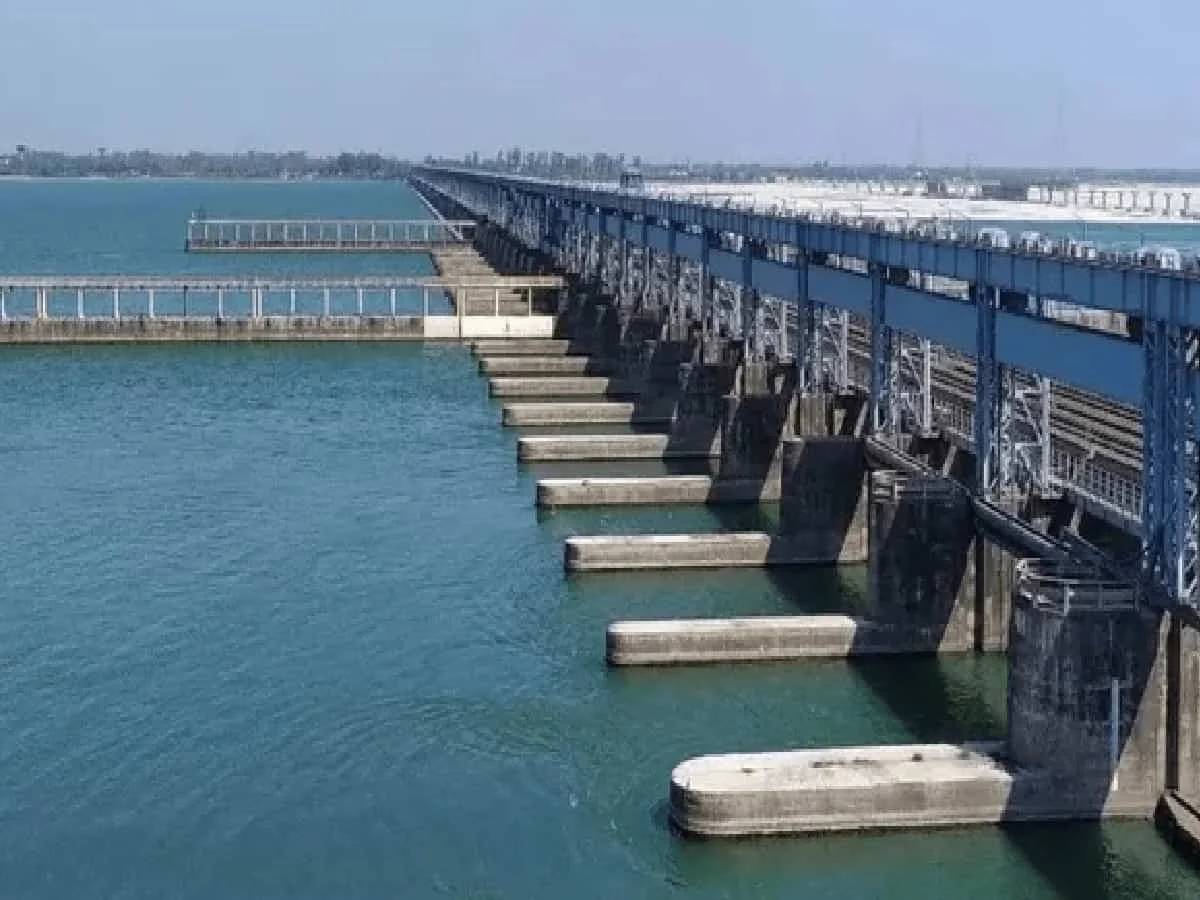
With less than three weeks remaining before the landmark 1996 Ganga Water Sharing Treaty completes its 30-year term on December 12, 2026, Bangladesh has signaled a notable diplomatic shift—stepping back from its earlier insistence on drafting an entirely new agreement and expressing readiness to negotiate the renewal of the existing accord with India. Speaking to reporters in Dhaka following the 91st meeting of the Bangladesh-India Joint Committee on treaty implementation, Prof. Rashed Al Mahmud Titumir, Advisor on Finance and Planning to the Bangladesh Prime Minister and head of Dhaka’s 10-member technical committee, said Bangladesh has completed all groundwork and hopes India’s political leadership will initiate formal renewal negotiations before the treaty expires. For observers, policymakers, and river-basin communities across India—including residents across Uttar Pradesh’s Ganga plains in Unnao, Kanpur, Lucknow, Prayagraj, and Varanasi, where water availability, seasonal flows, and downstream river governance form a continuous lifeline—the development marks a pragmatic turn in South Asian water diplomacy.
Signed on December 12, 1996, the Ganga (Ganges) Water Sharing Treaty governs the dry-season distribution of river water at the Farakka Barrage between January 1 and May 31 each year. Over the past year, officials in Dhaka had repeatedly pushed for a brand-new or substantially rewritten treaty featuring a strict minimum water-flow guarantee clause—similar to provisions in the 1977 bilateral arrangement—to protect southwestern Bangladesh against lean-season shortages and salinity intrusion. Dhaka had also urged New Delhi to set up a dedicated bilateral negotiating team for that purpose.
India, however, consistently maintained that the existing Joint Rivers Commission (JRC) framework provides the established institutional channel for reviewing cross-border river matters. At the same time, domestic water demands across upstream Indian states—including Uttar Pradesh, Bihar, and West Bengal—alongside shifting monsoon patterns and narrow diplomatic timelines before December 12 made drafting a wholly new treaty within weeks practically difficult. Recognizing the risk of a legal vacuum after December 12—since Article XII of the 1996 treaty allows renewal by mutual consent but contains no automatic rollover clause—Dhaka has pivoted toward preserving the existing framework through renewal or an interim extension.
During the two-day 91st meeting of the Joint Committee held in Dhaka on November 22–23, 2026, technical delegations from both neighbors reviewed dry-season hydrological data and finalized the Annual Implementation Report for 2026:
| Delegation / Mechanism | Leadership & Key Details |
| Indian Delegation (4 Members) | Led by Sharad Chandra, Head of India’s Joint Rivers Commission (JRC). |
| Bangladeshi Delegation (6 Members) | Led by Md. Anwar Kadir (Anwar Qadiri) during the technical review. |
| Bangladesh Technical Panel (10 Members) | Constituted in June 2026 under Prof. Rashed Al Mahmud Titumir to prepare negotiation positions. |
| Ministerial Outreach | Bangladesh Water Resources Minister Shahiduddin Chowdhury Anee wrote to Indian Jal Shakti Minister C.R. Patil on November 17, 2026, urging early formal talks. |
Under the current 1996 treaty formula at Farakka, when total river flow is 70,000 cusecs or less, water is shared equally (50:50); when flow is between 70,000 and 75,000 cusecs, Bangladesh receives 35,000 cusecs and India retains the balance; and when flow exceeds 75,000 cusecs, India receives 40,000 cusecs while Bangladesh receives the remainder—with alternating 10-day guaranteed blocks of 35,000 cusecs between March 11 and May 10.
While technical officials confirmed smooth operational compliance throughout 2026, diplomatic sources noted that the Joint Committee’s mandate is strictly technical—meaning the decisive call on whether to sign a multi-year renewal or authorize a short-term interim extension rests with the top political leadership in New Delhi and Dhaka. Notably, while India and Bangladesh share 54 transboundary rivers, the Ganga remains the only river governed by a formal bilateral water-sharing treaty, even as discussions over the Teesta and other common rivers continue. With December 12 fast approaching, Dhaka’s more flexible posture opens a practical diplomatic window to ensure uninterrupted cooperation along one of South Asia’s most vital river systems.