
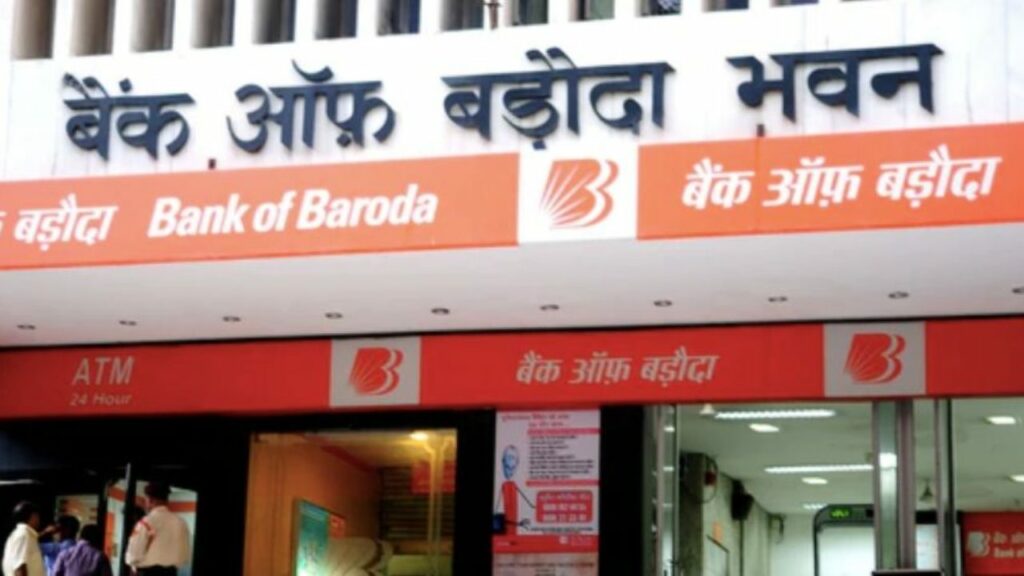
Bank of Baroda Ordered To Refund Rs 1.2 Crore Lost In SIMSwap Fraud: Zero Liability For Customer

The Bombay High Court has directed Bank of Baroda to refund ₹1.24 crore to a Mumbai-based firm that lost money in a SIM swap fraud.
The court ruled that the customer had “zero liability”as the fraud was carried out by third parties and was reported promptly.
What Happened in the Case
The fraud involved PNP Polytex Pvt Ltdwhich lost ₹1.24 crore in January 2020 through unauthorised online transactions.
- Fraudsters executed a SIM swap attack
- They gained access to the firm’s mobile number
- This allowed them to receive OTPs and complete transactions
Although the bank managed to freeze ₹47.8 lakh, the remaining amount was withdrawn before action could be taken.
How SIM Swap Fraud Works
SIM swap fraud is a growing cybercrime technique where attackers:
- Duplicate or transfer your mobile number to another SIM
- Intercept OTPs and banking alerts
- Gain full access to online banking
In this case, investigators confirmed that third parties diverted OTPs to execute the fraud without the customer’s knowledge.
Court’s Key Observation
The court relied on the RBI’s 2017 circular on unauthorised electronic transactionswhich protects customers under certain conditions.
Key ruling:
- If fraud is reported within 3 dayscustomer liability is zero
- The burden of proof lies on the banknot the customer
The bench clearly stated that once the customer informs the bank, it is mandatory for the bank to credit the lost amount back.
Bank’s Argument Rejected
Bank of Baroda argued that its security systems were functioning properly and OTPs were sent.
However, the court dismissed this, calling it a “lame excuse”noting that:
- Security systems fail in SIM swap cases
- Customers may not receive OTPs or alerts at all
This strengthens accountability on banks in cyber fraud cases.
Wider Legal Trend
This ruling is part of a broader pattern where courts are:
- Holding banks accountable in cyber fraud cases
- Applying RBI’s zero liability rule
- Protecting customers from digital fraud
Similar judgments have been passed recently in cases involving other banks and victims of SIM swap fraud.
What This Means for Customers
This judgment sends a strong message:
- Report fraud immediately
- Customers are protected if not negligent
- Banks must compensate losses in such cases
It reinforces trust in digital banking while putting responsibility on financial institutions.
The Bottom Line
The Bombay High Court’s ruling makes it clear that customers cannot be blamed for sophisticated cyber frauds like SIM swapping.
If reported quickly, the law ensures full protection—placing the responsibility squarely on banks to safeguard user funds.

Comments are closed.