

By Varsha Pargat
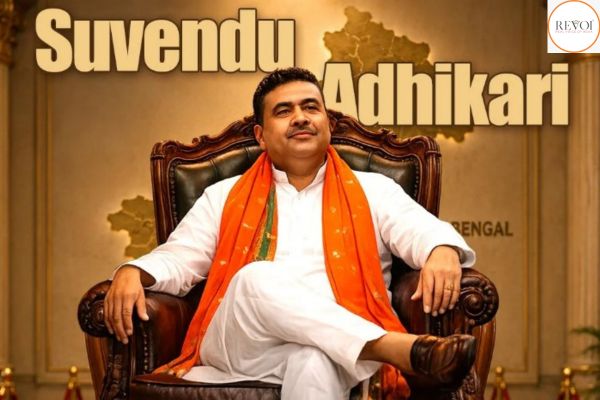
west bengal The year 2026 has brought a historic turning point in the politics of India. After three decades of dominance by the Left and then the Mamata Banerjee-led Trinamool Congress, the Bharatiya Janata Party has now regained power in the state and Suvendu Adhikari has been elected as the Chief Minister. This is not just a change of power, but is being considered a sign of a major change in the political culture, social equation and ideological direction of Bengal.
Shubhendu Adhikari’s political journey has been very interesting. He was once counted among the most trusted leaders of Mamata Banerjee. His role in the Nandigram movement made him a big face in state politics. But with time differences with Trinamool Congress increased and he joined BJP. After joining BJP, he emerged as the most aggressive and influential leader of the party in Bengal. He challenged Mamata Banerjee in her own stronghold and created a support base for BJP.
By making Subhendu Adhikari the Chief Minister, BJP has given a clear message that now the party will further strengthen the politics of Hindutva and aggressive nationalism in Bengal. After the election results, Adhikari himself called it a “victory for Hindutva”. Bengal, long known for cultural nationalism and regional identity politics, now clearly appears to be entering a period of ideological polarization.
Also read: Now BJP rule in West Bengal: Shubhendu Adhikari becomes the new Chief Minister, 5 other MLAs also took oath as ministers.
The biggest strength of Shubhendu Adhikari is considered to be his organizational ability and ground level. His hold has been very strong from East Medinipur to South Bengal. Adhikari’s strategy and his understanding of the internal structure of the Trinamool Congress played an important role in the rapid expansion of the BJP in Bengal. The BJP leadership chose him also because there is no other leader with a mass base equal to his in the state.
But after becoming the Chief Minister, the challenges are also no less. The first challenge will be to control law and order and political violence. Bengal has long been infamous for political strife and violence. Incidents of violence and tension came to light after the election results were announced. The murder of Chandranath Rath, a close aide of Subhendu Adhikari, made the atmosphere in the state more serious. In such a situation, there will be pressure on the new government to restore peace and create a democratic environment.
The second major challenge is social polarization. Hindu-Muslim politics in Bengal has become more intense than before. In recent elections, the BJP received widespread support from Hindu votes, while a large section of Muslim voters appeared to side with the opposition. This situation may increase social tension in the future. As Chief Minister, Subhendu Adhikari will have to prove that he is not just a BJP leader but the Chief Minister of the entire state.
Challenges are also big on the economic front. West Bengal has been struggling with migration of industries, unemployment and lack of investment for a long time. The BJP had promised “industrial renaissance” and a “double engine government” in the elections. Now the public will want results in the form of jobs, infrastructure and investment. If the government remains limited to ideological politics only and is unable to carry out economic reforms, public support may weaken.
Apart from this, BJP will also have the challenge of understanding the cultural identity of Bengal. The politics of Bengal has not been merely religion based; There has been a deep tradition of literature, language, culture and intellectual discussion here. BJP will have to strike a balance so that Hindutva politics does not appear to be in conflict with Bengali identity. The test before Subhendu Adhikari will be to present a model of “Bengali Hindutva” that suits the cultural sensibilities of the state.
BJP’s politics may now appear more aggressive under the leadership of Shubhendu Adhikari. He has openly talked about polarization of Hindu votes many times. The BJP believes that its victory in Bengal is the result of “Hindu unity”. This is why issues like Ram Navami, Durga Puja, Citizenship Amendment Act and border security may become more prominent in the coming times.
From a political point of view, this change is also important for national politics. The BJP has long considered Bengal an important part of its “Eastern India Strategy”. After Assam and North-East, the party has presented the victory in Bengal as a major ideological achievement. This can also give BJP a big psychological advantage for the 2029 Lok Sabha elections.
However, the opposition has not ended completely. Mamata Banerjee is still a big face in Bengal politics and Trinamool Congress continues to have a ground hold. The opposition will keep an eye on every step of the BJP government. If there is any major administrative or social mistake by the government, the opposition will immediately make it an issue.
Ultimately, Subhendu Adhikari becoming the Chief Minister is not just a political event, but a symbol of the changing social and ideological direction of West Bengal. This is the result of the wave of Hindutva which brought BJP to power even in a state like Bengal. But now the real test begins. Going beyond election slogans, they will have to strengthen governance, development, social balance and democratic trust. If they succeed in this, Bengal politics may change permanently; And if unsuccessful, this change may prove to be temporary.
Please share your views – varshapargat@yahoo.co.in

Comments are closed.