After completing an engineering internship at Tesla last year, Seungmin Hong, then a student at Canada’s University of Waterloo, was weighing whether to stay or join the smaller Simbe Robotics.
A trip to the restroom during his final interview at Simbe’s San Francisco office helped make up his mind. It had a bidet, something he had grown up using.
“That cemented in my mind: ‘Yeah, this company actually cares about their employees,’” he told Business Insider. He took the job.
|
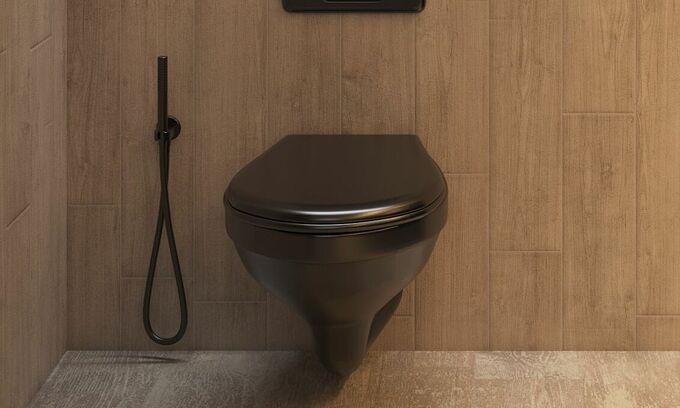
A toilet with a bide. Photo from Pexels. |
Bidets have become increasingly common in American homes. Toto, one of the world’s largest bathroom fixture manufacturers, said cumulative global sales of its Washlet electronic bidet seats surpassed 70 million last year, up from 50 million in 2019.
Demand in the U.S. surged during the Covid-19 pandemic. The toilet paper shortages of 2020 prompted many Americans to seek alternatives, according to the Guardian.
This summer, Cynthia Howard, an order fulfillment specialist at Swifthouse, a logistics company outside Philadelphia, asked her boss to install a bidet in the restroom she shares with about a dozen colleagues.
She argued that it could lower toilet paper costs, shorten restroom visits and improve morale.
The proposal convinced founder and CEO Dave Harriger to order a $60 bidet attachment that day. He was pleased that employees liked it, though his own first encounter with the cold-water spray made him yelp. He was unsure whether he would try it again.
Better restrooms could also help employers attract and retain staff, particularly as they push employees to return to the office, Robert Hatta, an executive recruiter and talent adviser in Columbus, Ohio, said.
In a LinkedIn post last year that drew nearly 150 comments, he said that flimsy toilet paper and a lack of privacy could make office life less appealing. He proposed sound-insulated, well-ventilated stalls, ideally equipped with bidets. “It’s about respecting people’s dignity.”