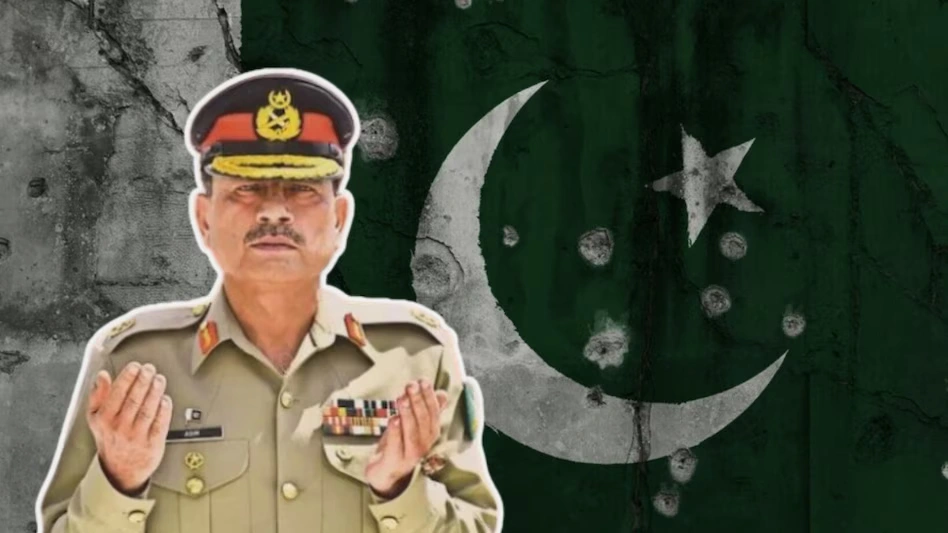
Pakistan News: The National Assembly of Pakistan has approved major changes in the laws related to the military system. After amendments in the ‘Defense Forces of Pakistan Act, 2026’ and ‘National Command Authority Act, 2010’, there has been a major change in the military and strategic command structure of Pakistan. After this decision, the powers and role of Field Marshal Asim Munir have increased more than ever.
Command of all three armies under one center
Under the new Defense Law, a provision has been made to bring Pakistan’s Army, Navy and Air Force under a central command structure. In this arrangement, Field Marshal Asim Munir has been given the important responsibility of joint command of the three armies. Due to this, questions are being raised regarding centralization of power in Pakistan’s military structure.
Increased powers over military officers also
Under the new law, many important powers related to the service of military officers and personnel have been given to the military leadership. These include powers to remove officers from service, retire them, accept or reject resignations and take decisions related to service tenure. This has further strengthened the role of top leadership in military administration.
Role of Principal Military Advisor to the Prime Minister
After the changes made in the law, Asim Munir’s role will not be limited to just the Army Chief. His role of providing military advice to the Prime Minister on national security and defense matters will also be important. This arrangement is being seen as a major change in the balance between political and military power in Pakistan.
Changes in nuclear command also
This change in Pakistan’s military system is not limited to traditional armies. The new provisions also include the command structure related to the country’s strategic and nuclear capabilities. The operational structure of Pakistan’s strategic forces has also been changed with the creation of a new four-star post of Commander of the National Strategic Command (CNSC).
Political dispute increased amid economic crisis
Pakistan is currently facing economic crisis, inflation and various internal challenges. At such a time, the decision to give broad powers to the military leadership has further intensified the political debate. Critics are raising questions as to what is the government’s intention behind strengthening the military command so much when the country is facing serious economic and social challenges.
Questions are being raised on the democratic system
The political role of the military establishment in Pakistan has long been a topic of discussion. In such a situation, the rapid changes made by the Parliament in the laws related to military command have also raised questions about the independence of democratic institutions. Critics say this could affect the balance of power between the elected government and the military leadership.
Is Pakistan moving towards military rule?
Due to the new changes, the debate has intensified inside and outside Pakistan whether the role of the military establishment in the country is again reaching a decisive level. Although the government may cite these changes as steps towards better integration of national security and military capabilities, for critics the centralization of military powers remains a matter of concern for the future of the democratic system.
Debate increased regarding real power
After these amendments, questions are also being raised about the real center of power in Pakistan. Critics claim that this could limit the role of the Prime Minister and the President, while strengthening the political and administrative hold of the military leadership. This is why this decision is being seen as an important turning point in Pakistan’s democratic structure and civil-military relations.