
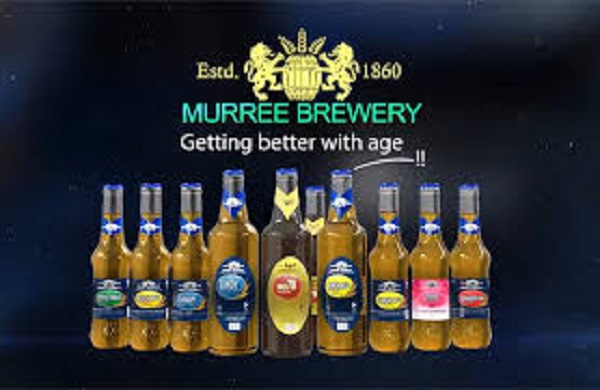
Big decision in financial crisis: Pakistan on the path of liquor export after 50 years

Islamabad: Pakistan, grappling with a severe economic crisis, has taken a significant decision to seek new sources of income. The country’s only major brewer, Murray Brewery, has been granted permission to export alcohol abroad after nearly five decades.
The ban was imposed since 1977
In 1977, under pressure from Islamist groups, then-Prime Minister Zulfikar Ali Bhutto banned the sale of alcohol in the country. Following this, the Murree Brewery was only able to sell its products to a limited number of non-Muslim citizens and foreign tourists.
To which countries will exports take place now?
Under the new permission, the company can now export alcohol to countries other than Organization of Islamic Cooperation member states—such as Britain, Japan, Portugal, and Thailand. Previously, the company only exported non-alcoholic products like juice, mineral water, and malt.
The company’s story is linked to the colonial era
Murree Brewery was established in the 19th century during the British era to provide beer to soldiers. After 1947, the company came under the control of a Parsi family. Its current owner, Isfanyar Bhandara, has long sought export permission.
Economic pressure became the reason
Pakistan currently has a debt burden of approximately $138 billion, while a significant gap exists between income and expenditure. A significant amount is spent annually on interest payments. This has forced the government to seek new revenue sources, and alcohol exports are seen as a step in that direction.
Background to the ban
Following the 1977 elections, the Bhutto government was accused of rigging and increasing Western influence. Alcohol was banned to quell the protests. That same year, General Zia-ul-Haq took power in a coup and pursued Islamization policies, which prolonged the ban.
Pakistan’s decision signals a policy shift amid economic pressures. While this move is limited to exports, it clearly reflects a pragmatism in the country’s economic strategy.

Comments are closed.