
The government is considering a new set of safety rules for motorcycles and scooters, including speed alerts, reflective tyres, pedestrian warning sounds for EVs, leg guards and changes to silencer design.
The proposals could become part of AIS-223, a new Automotive Industry Standard being developed for two-wheelers. A phased rollout is being considered so that individual measures can be tested before they become mandatory.
The scale is huge. Two-wheelers sold 21.7 million units in 2025-26, compared with 4.64 million passenger vehicles. Two-wheeler users also accounted for 81,740 road deaths in 2024.
One proposal is an audible warning when the motorcycle or scooter crosses a specified speed. Cars already have mandatory speed alerts, but applying the same idea to two-wheelers needs care. A 100cc commuter, a 200cc motorcycle and a high-capacity touring bike operate at very different speeds.
If the alert begins too early or becomes too intrusive, riders may simply learn to ignore it. The final speed threshold and warning pattern will therefore matter as much as the rule itself. A speed alert also cannot replace enforcement. Better policing, speed cameras, safer road design and consistent speed limits remain necessary.
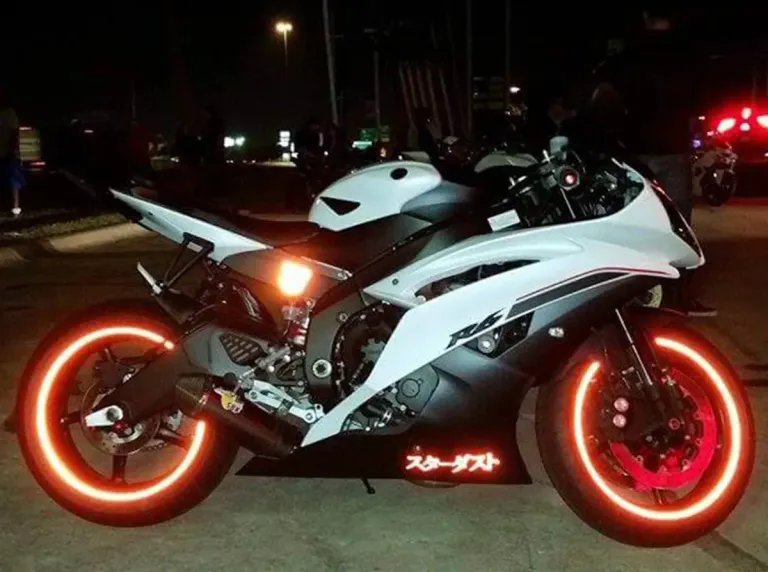
Another proposal is to make reflective tyre markings mandatory so that a two-wheeler is easier to see from the side at night.
The idea is simple. A motorcycle has a much smaller visible area than a car, especially when viewed from the side. Reflective material on the tyre can catch another vehicle’s headlamps and make the bike more noticeable.
Execution will be important. Tyres are replacement items, so the rule would need to apply not only to new motorcycles but also to replacement tyres sold later. The standard will also need to specify how long the reflective material must remain effective despite mud, dust, washing and normal tyre wear. That adds responsibility for tyre manufacturers, dealers and service shops, not just vehicle companies.
The government is considering an Acoustic Vehicle Alerting System for quiet electric two-wheelers. The system would generate an external sound at low speeds so pedestrians can hear the vehicle approaching.
Leg guards are another measure under discussion, along with rules governing the height and upward angle of silencer outlets so exhaust gases are not directed at pedestrians or riders behind.
A separate hands-off riding alert is also being developed. Draft AIS-223 proposals have included a system that prevents starting without both hands on the grips, warns the rider if hands are removed while moving, and can progressively slow the vehicle if both hands remain off. Researchers from IIT Delhi and IIT Madras are studying the effectiveness of these measures. The evaluation could take about 18 months.
The government is considering phased implementation partly because entry-level two-wheelers remain extremely price-sensitive. Every additional sensor, control unit or safety device adds cost. Manufacturers have to develop and certify the system, while owners eventually pay through higher vehicle or replacement-part prices.
That does not mean the measures should be avoided. Better visibility, useful speed warnings and pedestrian alerts can reduce risk. But each rule should show a measurable safety benefit before becoming compulsory. The phased approach is therefore sensible. Test the systems, establish whether they reduce crashes, then mandate the ones that work.