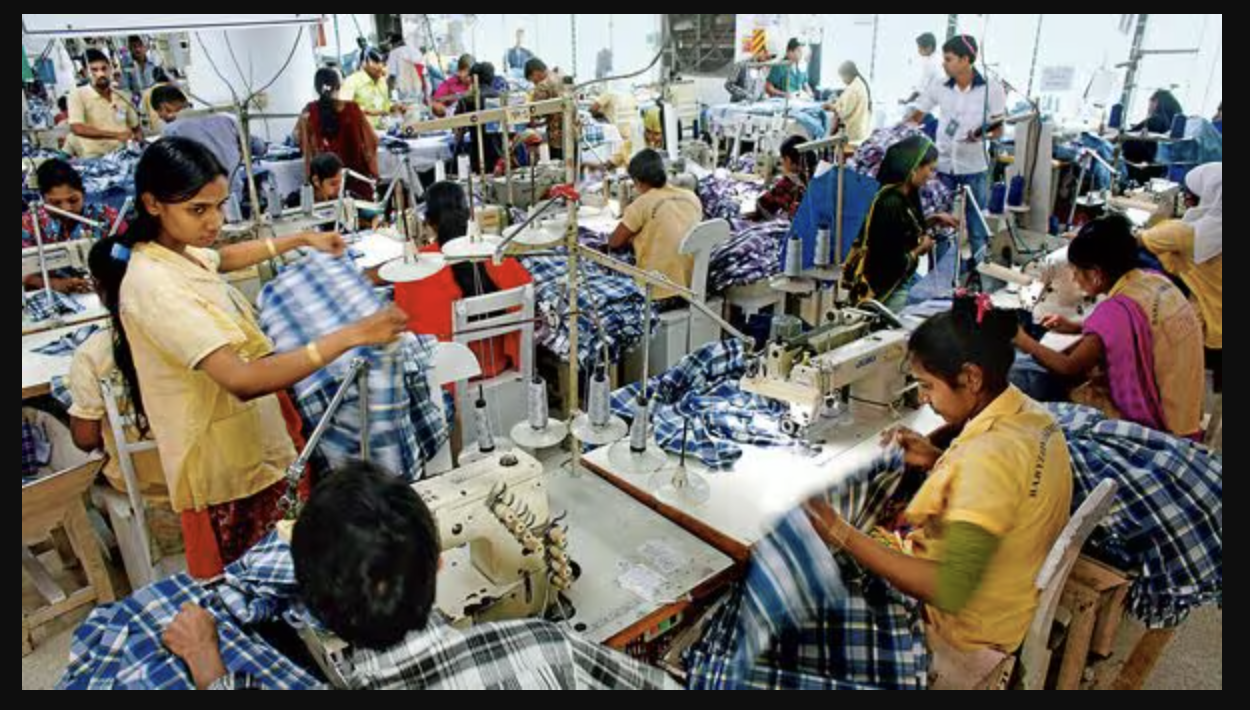
Leading international fashion brands, including Zara, H&M, Marks & Spencer and Celio, are reportedly shifting garment manufacturing orders from Bangladesh to India and other Asian countries amid persistent labour unrest, rising production costs and supply chain disruptions.
Between November 1 and 18, 2026, international retailers diverted garment orders worth approximately $254 million from Bangladesh, with India reportedly receiving the largest share.
The diverted orders represent nearly 10% of Bangladesh’s monthly garment orders, according to industry sources.
Indian Textile Stocks Surge Following Order Diversion
India has emerged as the biggest beneficiary of the shift in manufacturing orders, alongside Vietnam, Cambodia and Indonesia.
Shares of several Indian textile companies rallied following reports of the development.
Gokaldas Exports surged as much as 11%, while Trident gained approximately 5%. Welspun Living, KPR Mill and Vardhman Textiles gained around 2% each.
However, the exact value of orders secured by individual Indian manufacturers has not been disclosed.
Bangladesh Increases Garment Workers’ Minimum Wages By 36%
On November 25, Bangladesh approved a 36% increase in the minimum monthly wage for garment workers, from 12,500 taka to 17,000 taka.
Workers had initially demanded 32,000 taka before revising their demand to 18,000 taka during negotiations.
The new wage structure will become effective on December 1, 2026.
Despite the increase, protests have continued, with labour unions arguing that the revised wages remain insufficient to meet rising living expenses.
Manufacturers, meanwhile, have expressed concerns about increasing operating costs and declining international competitiveness.
Bangladesh Suffers $428 Million Production Loss
A survey conducted by the Bangladesh Garment Manufacturers and Exporters Association estimated that 317 factories suffered production losses worth approximately $428 million during 18 days of disruption.
Bangladesh’s garment industry employs more than four million people and contributes over 80% of the country’s export earnings.
Persistent energy shortages and manufacturing disruptions have placed additional pressure on suppliers.
Industry representatives estimate that competing manufacturing destinations can complete orders within 60 to 90 days, compared with approximately 120 days in Bangladesh.
India’s Apparel Exports Could Receive Major Boost
India’s apparel exports recorded annual growth of 13.68% in September and 20.33% in October 2026.
The diversion of additional international orders could further support domestic textile manufacturing, employment and export revenues.
However, labour representatives in Bangladesh have questioned whether international retailers are using the unrest to justify sourcing changes.
Zara’s parent company, Inditex, declined to comment, while H&M, Marks & Spencer and Celio did not respond to requests for comment.
Whether the diverted orders represent a temporary arrangement or a permanent shift towards Indian manufacturing remains uncertain.
Summary
Global fashion brands, including Zara, H&M and Marks & Spencer, have reportedly diverted $254 million worth of garment orders from Bangladesh, with India receiving the largest share. Labour unrest, rising wages and production disruptions have affected Bangladesh’s manufacturing competitiveness. Indian textile stocks rallied following the development, although the permanence of this international sourcing shift remains uncertain.