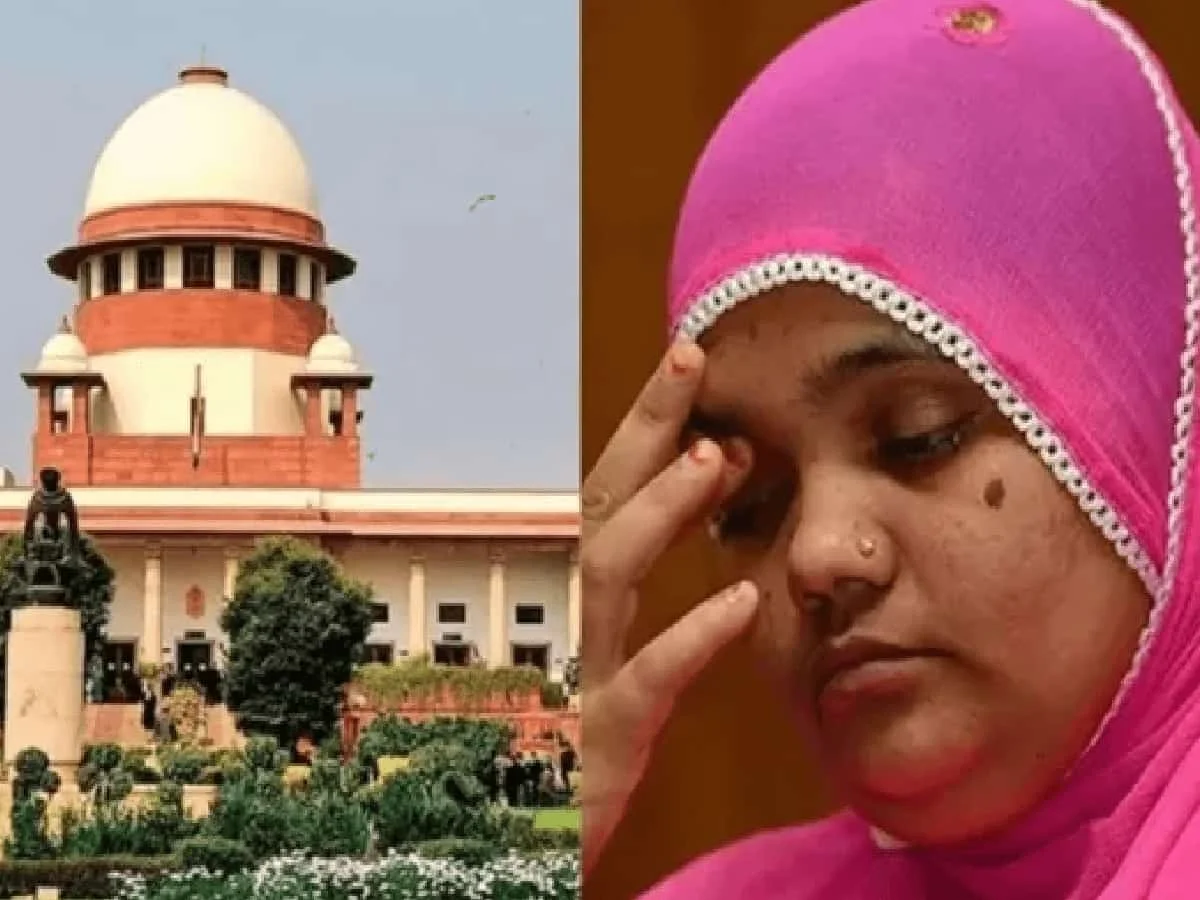
More than two decades after enduring unimaginable horrors during the 2002 Gujarat riots, Bilkis Bano finds herself confronting the ghosts of her past once again. The iconic survivor of one of India’s most harrowing legal battles has expressed profound shock, grief, and fear following a recent Supreme Court order that suspended the life sentences and granted bail to two convicts in her case.
The apex court’s decision has sent ripples through legal circles and revived intense nationwide discussions about justice, victim rights, and accountability. For Bilkis Bano, who spent the last 24 years courageously rebuilding her life and fighting tooth and nail for justice, the latest legal development has shattered her peace of mind and reignited old vulnerabilities.
The Supreme Court Order: Suspended Sentences After 17 Years
The controversy stems from an order issued by a Supreme Court bench comprising Justices M.M. Sundresh and Prasanna B. Varale. The bench suspended the life imprisonment sentences of two men—Bipinchand Kanaiyalal Joshi and Pradip Ramanlal Modhiya—who were among the eleven individuals convicted in the 2008 special CBI court ruling for the brutal gang rape of Bilkis Bano and the murder of seven members of her family.
In granting conditional bail, the Supreme Court noted that both appellants had already spent more than seventeen years behind bars during the prolonged judicial proceedings. The bench also factored in specific defense arguments, including severe physical health conditions affecting one of the convicts and technicalities regarding the initial framing of charges. Additional Solicitor General Raja Thakre, representing the state, vehemently opposed the bail plea by underscoring the gravity and heinous nature of the crimes. However, the court proceeded to grant temporary relief while admitting the appeals for a regular hearing in due course.
“I Am Scared Once Again”: Bilkis Bano’s Heartwrenching Reaction
Reacting sharply to the development, Bilkis Bano revealed that she learned of the Supreme Court’s order through media reports rather than formal judicial intimation. Expressing disbelief, she emphasized that the decision was passed without her side being adequately summoned or heard.
In an emotional statement, Bilkis recalled the sheer magnitude of her two-decade-long struggle. “Over the past 24 years, I have searched and found sources of courage within me that I never knew I possessed,” she stated. She credited her survival and resilience to the solidarity and unwavering support extended by millions of ordinary citizens across the country who stood by her pursuit of justice.
However, she admitted that the latest order has undone years of psychological healing. “Today I feel that the justice I fought so hard for is being snatched away from me. Old fears are resurfacing. I am once again afraid for my safety, that of my family and children. I also fear that I may lose faith in the justice system again,” Bilkis expressed with profound anguish.
A Long Legacy of Legal Resilience
The name Bilkis Bano remains synonymous with extraordinary courage in the annals of Indian legal history. Just 19 years old and five months pregnant at the time of the 2002 communal violence following the Godhra train burning, Bilkis witnessed the slaughter of fourteen family members, including her three-year-old daughter, alongside surviving a brutal gang rape.
Despite severe intimidation, threats, and systemic hurdles, she pursued justice relentlessly, leading to the landmark 2008 conviction of the accused by a special court in Mumbai—a verdict subsequently upheld by the Bombay High Court. Her fight achieved another major legal milestone in January 2024, when the Supreme Court quashed the controversial premature release and remission granted to all eleven convicts by the Gujarat government, ordering them back to jail.
The Road Ahead: Continuing the Fight for Justice
While the recent bail order granted to two of the convicts has brought fresh anxiety, Bilkis Bano has made it clear that she refuses to back down. Questioning the circumstances under which the relief was granted without her representation being factored in, she affirmed her resolve to challenge the decision.
“I will fight this order, I have to,” Bilkis declared, signaling that her legal team will take appropriate steps to contest the suspension of sentences. As the legal community and civil society monitor the developments closely, Bilkis Bano’s ongoing battle stands as a poignant reminder of the enduring tenacity required in the pursuit of absolute justice.