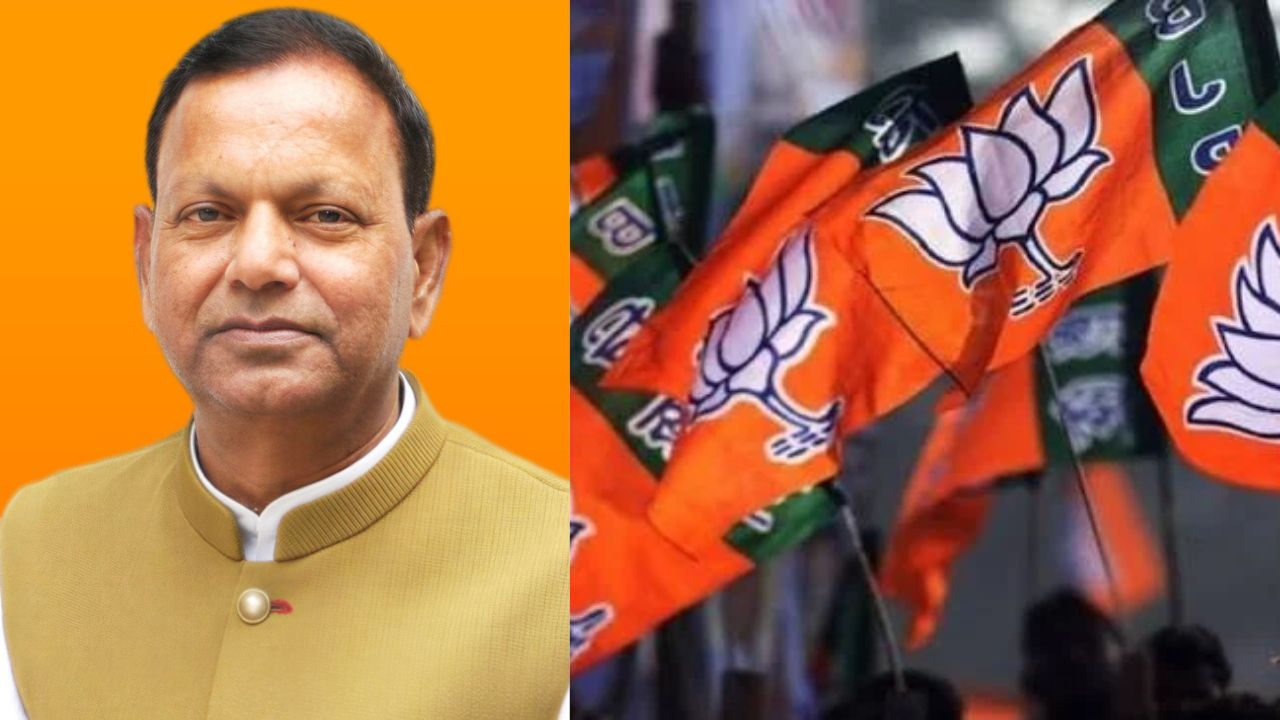
Lucknow: The Bharatiya Janata Party (BJP) has stepped up efforts to address internal disagreements and organizational discontent in Uttar Pradesh, with the party leadership keen to prevent local-level tensions from affecting its preparations for the 2027 Assembly elections.
With the politically crucial state heading towards another electoral contest, the party is focusing on resolving grievances among its leaders and workers, improving coordination between the government and the organization, and ensuring that differences within its ranks do not weaken its campaign. “The media report highlights the leadership’s efforts to address these concerns before they assume greater political significance.
Leadership Focuses on Ground-Level Discontent
The BJP’s organizational exercise comes amid concerns that dissatisfaction among party workers and differences between local leaders could affect electoral mobilization. The leadership is seeking to identify such problems early and bring disgruntled members back into the fold.
For a party that relies heavily on its booth-level network and cadre mobilization, maintaining communication between grassroots workers and senior functionaries is a key part of its election strategy. Internal discord, if left unresolved, could undermine campaign coordination and create openings for opposition parties.
Nitin Nabin’s Role in Strengthening Coordination
National president Nitin Nabin and other senior functionaries are involved in efforts to assess the organisation's position and address concerns raised by party leaders. The broader objective is to improve coordination across different levels of the party and ensure that electoral preparations proceed without disruption.
The exercise also reflects the BJP leadership’s emphasis on resolving differences within the organization rather than allowing factional rivalries to affect its public campaign.
Workers Question Organizational Appointments
At a meeting in Varanasi on October 8, attended by Nabin, BJP leaders raised concerns over how organizational responsibilities were being distributed. Some reportedly argued that leaders with access to senior functionaries in Delhi and Lucknow were more likely to secure positions, while those working consistently at the grassroots were being overlooked.
Another concern related to the appointment of newcomers to senior organizational positions. While accommodating political entrants in election tickets or ministerial roles might be understandable, some leaders felt that placing them in key party posts could make it harder for long-serving workers to function effectively. Suggestions were also reportedly made to replace some sitting MLAs in the Varanasi region with new candidates.
Social Media Response to Opposition Under Scrutiny
The party’s internal discussions have also focused on its response to the Samajwadi Party’s attacks on Chief Minister Yogi Adityanath and his government. At a workshop held on October 14 and 15, BJP co-in-charges Jagdish Patel and Pradip Kumar Varma reportedly expressed concern that district-level functionaries and legislators were not responding with sufficient vigor to opposition allegations, including those circulated through AI-generated videos and social media posts.
According to party insiders, participants were told that SP workers were actively amplifying their leader Akhilesh Yadav's messages, whereas BJP functionaries appeared comparatively less engaged in defending the chief minister and the state government. The concern underscores the importance the BJP attaches to digital communication and rapid political messaging in the run-up to the elections.
RSS Meeting Highlights Grievances Against Local Administration
Discontent was also voiced at a meeting of Sangh Parivar functionaries chaired by RSS joint general secretary Arun Kumar in Sultanpur on October 5. BJP leader Govind Singh Chauhan, who heads the Kashi region of RSS affiliate Vidya Bharati, reportedly questioned whether party workers could retain faith in local leaders when their grievances concerning police stations and government offices remained unresolved.
He also raised concerns over the perceived influence enjoyed by leaders who had switched parties and alleged that opposition workers received better treatment at government offices. Chauhan subsequently told that the functioning of the bureaucracy needed improvement and that BJP workers should not be disregarded.
Senior BJP and RSS functionaries, including BJP national general secretary (organisation) BL Santhosh, Uttar Pradesh BJP president Pankaj Chaudhary and state general secretary (organisation) Dharampal Singh, were among those present at the meeting.
Setback in 2024 Adds Urgency to Corrective Measures
The BJP’s current efforts to address internal dissatisfaction come against the backdrop of its diminished performance in Uttar Pradesh in the 2024 Lok Sabha elections. The party’s tally fell from 62 seats in 2019 to 33 in 2024, while the Samajwadi Party won 37 seats, marking its strongest performance in a parliamentary election in the state.
Following the setback, several BJP leaders had attributed part of the party's poor showing to dissatisfaction among workers who felt neglected by sections of the administration.
With the 2027 Assembly elections approaching, the party’s outreach is aimed at addressing these organizational weaknesses, improving the relationship between its cadre and the administration, and ensuring that internal grievances do not translate into electoral disadvantages.
The challenge for the BJP will be to convert the feedback gathered through these meetings into tangible changes on the ground while keeping its organizational machinery united ahead of the contest.