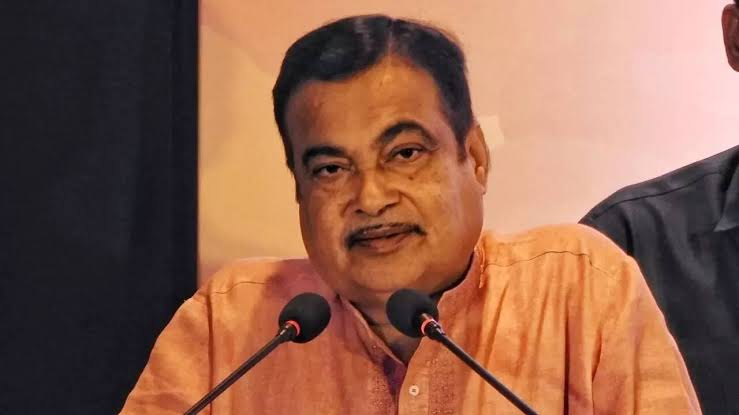
The Bombay High Court on Wednesday ordered social media platforms, including Meta, X, Google and others, to remove allegedly defamatory posts and AI-generated deepfake videos targeting Union Minister Nitin Gadkari over the ethanol-blended petrol (E20) programme.
Hearing Gadkari’s plea, Justice Arif Doctor described the content circulating online as “vile” and “abusive” and said such material should have no place on public platforms. The court also asked technology companies to develop a framework to remove similar content without requiring affected individuals to approach the judiciary each time.
Bombay High Court orders platforms to remove defamatory content
The single-judge bench directed social media intermediaries to promptly remove the disputed posts and deepfake videos linked to Gadkari and his family.
The court further observed that if fresh abusive content or AI-generated deepfakes surface, the matter can be communicated directly to the platforms. If there is any uncertainty over whether content should be removed, the companies would have the liberty to approach the court for clarification.
The matter has been posted for further hearing after four weeks.
Court seeks permanent mechanism for content removal
During the hearing, the High Court questioned Meta, X Corp, Google LLC and other platforms about whether they have an effective mechanism to address defamatory or manipulated content without court intervention.
The bench indicated that victims of online misinformation should not have to initiate legal proceedings every time objectionable content appears online.
Why did Nitin Gadkari approach the High Court?
Gadkari filed the petition after several social media posts and AI-generated videos allegedly claimed that he and his family had financially benefited from India’s Ethanol-Blended Petrol (EBP) programme.
Represented by advocate Sandeep S. Ladda, Gadkari argued that the allegations were entirely false and intended to damage his reputation.
According to the petition, the content:
- Falsely accused him of corruption and misuse of office.
- Alleged nepotism and conflict of interest.
- Used abusive and derogatory language.
- Included manipulated audio-visual material and AI-generated deepfakes.
The Union minister has also sought ₹11 crore in damages for the alleged defamation.
E20 fuel controversy explained
The case comes amid public debate over India’s E20 fuel programme, under which petrol is blended with 20% ethanol to reduce dependence on imported crude oil.
The government achieved its E20 blending target five years ahead of its original 2030 deadline.
However, some motorists have claimed that E20 petrol reduces fuel efficiency and may affect older vehicles through engine corrosion. The Centre and Gadkari have repeatedly dismissed these allegations, maintaining that there is no evidence supporting such claims and attributing many circulating claims to misinformation on social media.
Police complaint preceded court petition
Before approaching the High Court, a complaint was reportedly filed by BJP’s Nagpur social media cell convener, Shishir Arun Tripathi, alleging that misleading videos and posts about Gadkari and the E20 programme were spreading false information and creating public confusion.
The High Court’s observations are expected to add momentum to the broader debate over platform accountability, AI-generated deepfakes and the responsibility of social media companies in addressing defamatory content.