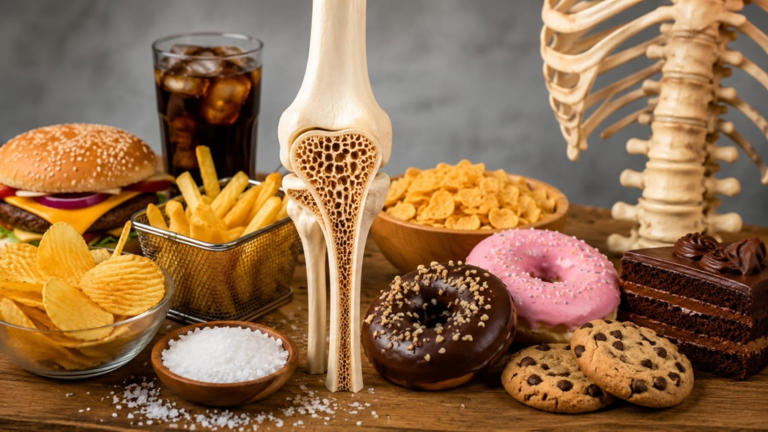
Strong bones, like the spine, support the human body for standing, walking, and protecting internal organs. We generally believe that bones weaken as we age. However, modern medical science and nutrition experts believe that the main cause of bone weakness and osteoporosis is not just aging, but our daily diet and poor lifestyle.
Often, driven by taste, we regularly consume foods that completely block calcium absorption or excrete calcium stored in our bones through urine. This bone erosion occurs so quietly that even a minor shock or fall can cause fractures before a person realizes it.
Early Signs of Bone Weakening and the Risk of Osteoporosis
Bone weakening is a silent process. Initially, a person often experiences symptoms such as mild joint pain, persistent strain in the lower back, frequent nail breakage, or weakening of the gums. When calcium and vitamin D become deficient in the body, the body begins to draw calcium stored in the bones to support its functions.
This causes bone mineral density to decrease, and bones become hollow like sponges. If not addressed in time, cracking sounds when getting up or sitting down and bone fractures from even minor injuries become common.
Beware! These 5 things are gradually weakening your bones
According to health experts and orthopedic doctors, if you want to maintain your bones as strong as iron until old age, you should immediately limit or completely eliminate these 5 things from your daily diet:
1. High Sodium Intake:
Excessive salt intake is considered the biggest enemy of bone health. Salt is high in sodium. When we eat too much salty food, packaged snacks, chips, or processed foods, the body tries to excrete the excess sodium. In this process, along with sodium, the calcium in the bones is also flushed out of the body through urine. According to doctors, consuming approximately 2,300 mg of sodium leads to significant loss of calcium from the body.
2. Carbonated Drinks and Soda:
Excessive consumption of soft drinks, carbonated soda, and canned sweetened juices rapidly reduces bone density. These drinks contain high amounts of phosphoric acid. When phosphorus levels in the body exceed calcium levels, the balance between calcium and phosphorus in the body is disrupted. As a result, bones begin to lose their calcium and become extremely weak and brittle.
3. Excessive Caffeine:
Drinking more than 3-4 cups of tea or coffee a day can also negatively impact bone strength. Tea and coffee contain caffeine. Caffeine acts as a mild diuretic, causing frequent urination. Excessive caffeine consumption reduces the intestinal absorption of calcium, and for every 100 mg of caffeine, the body loses approximately 6 mg of calcium.
4. Refined Sugar and Sweets:
White sugar, sweets, pastries, and bakery products not only contribute to diabetes and obesity, but are also harmful to bones. Excessive sugar consumption prevents the body from absorbing essential minerals like magnesium, copper, and calcium. Furthermore, sugar increases inflammation in the body, slowing down bone regeneration.
5. Alcohol and Highly Processed Meat:
Regular alcohol consumption inhibits the production and activation of vitamin D in the body. Without vitamin D, the intestines cannot absorb calcium from food. Additionally, consuming excessive amounts of processed meat or animal protein increases acid levels in the body. To neutralize this acid, the body releases calcium from the bones into the bloodstream, causing the bones to become hollow.
Learn how the scientific cycle of bone density loss works
Our bones are living tissues that are constantly being broken down and regenerated. New bone is formed rapidly during childhood and adolescence, but after the age of 30, the rate of bone loss becomes faster than the rate of bone formation. When we consume the five foods mentioned above, the activity of osteoblasts (bone-building cells) slows down and osteoclasts (bone-breaking cells) become more active.
This imbalance increases the risk of osteopenia at an early age and later on, osteoporosis.
Include these superfoods in your diet to make bones as strong as steel.
In addition to eliminating unhealthy foods, it’s important to include nutrients in your diet that help rebuild bones:
Dairy products: Milk, yogurt, cheese, and buttermilk are the best sources of calcium and protein.
Green leafy vegetables: Spinach, fenugreek, broccoli, and moringa are rich in them.