
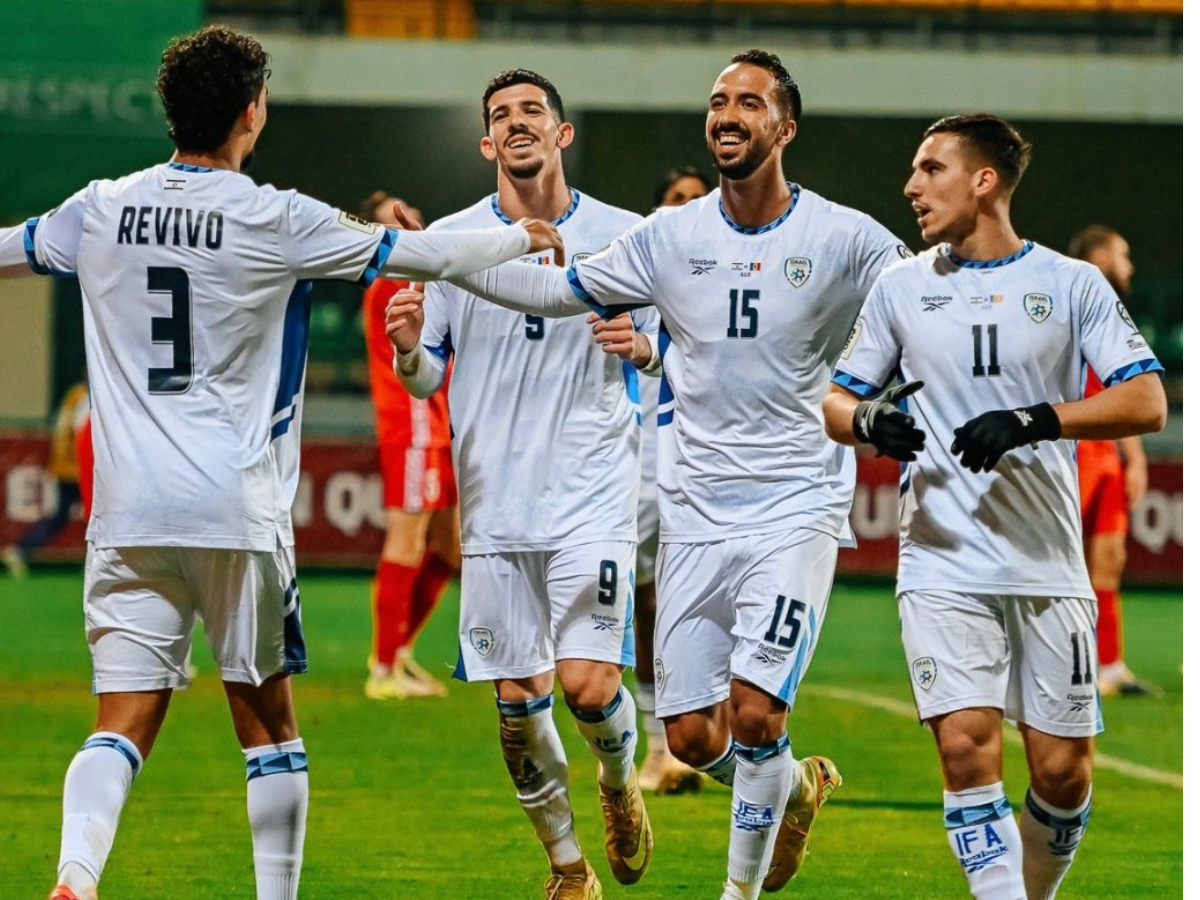
Boycott Israel Controversy Explained: Irish Players, Celebrities Call For UEFA Nations League Match Cancellation Over Gaza War

2
A group of prominent Irish footballers and high-profile celebrities have launched a coordinated campaign calling for the Republic of Ireland to boycott its scheduled UEFA Nations League match against Israel later this year. The movement, led by the advocacy group Irish Sport for Palestine, has sent an open letter to the Football Association of Ireland (FAI) demanding that the team withdraw from the fixture as a matter of principle.
The letter explicitly accuses Israel of committing “genocide” during the ongoing conflict in Gaza and argues that the Israel Football Association is in direct violation of UEFA and FIFA regulations. Specifically, the campaigners point to the inclusion of teams that play on occupied Palestinian territory as a breach of international sporting statutes that should disqualify Israel from competition.
This push follows an internal vote in November 2025, where 93% of FAI members directed their leadership to lobby UEFA for Israel’s suspension. Activists are now insisting that the Irish governing body honor this overwhelming mandate from its own members rather than proceeding with the October match.
Who is backing the “Stop the Game” campaign?
Israel has denied that its forces have committed genocide during the war in Gaza.
Reuters has contacted the FAI and the Israel Football Association (IFA) for comment.
The letter, entitled “Stop the Game”, was signed by League of Ireland players, former men’s coach Brian Kerr and twice women’s player of the year Louise Quinn.
Irish rock band Fontaines D.C., hip-hop trio Kneecap and singer-songwriter Christy Moore were among the other signatories along with Oscar-nominated actor Stephen Rea.
Ireland are set to host Israel at Dublin’s Aviva Stadium on October 4, while a September 27 fixture designated as an Israeli home match is expected to be staged at a neutral venue.
The letter includes a statement from Shamrock Rovers captain and Professional Footballers’ Association of Ireland chair Roberto Lopes.
“We can’t ignore the humanitarian catastrophe in Palestine; the sheer loss of life there has to take precedence over any sporting consideration,” said Dublin-born Lopes, who is set to play at the World Cup for Cape Verde in June.
“Ireland has an opportunity here to lead and do what others won’t.”
Why is the Irish Government and the FAI hesitant to boycott?
Israel have played in UEFA competitions since the early 1980s after being excluded from Asian Football Confederation (AFC) competitions in the 1970s when several countries refused to play against them.
Ireland’s Prime Minister Micheal Martin said the two matches against Israel should go ahead.
“We have been critics and have opposed very strongly Israeli government policy within Gaza in particular. We condemned the Hamas attack on Israel which was absolutely horrific,” the Taoiseach told the Irish Times.
“I think sport is an area that can be challenging when it crosses into the realm of politics.”
In February, FAI Chief Executive David Courell said the national team had no choice but to fulfil its obligations or risk harming the long-term sporting interests of Irish football, including potential disqualification from future competitions.
A poll by the Irish Football Supporters Partnership found 76% of respondents opposed the fixture being played.

Comments are closed.