Can $1 Billion Buy Victory in Midterms? Some Republicans Fear The Answer Is NO/ TezzBuzz/ WASHINGTON/ J. Mansour/ Republicans are entering the final month of the midterms with roughly $1 billion available but growing concern that money cannot overcome an unfavorable political climate. Late advertising purchases have increased costs as the party confronts Trump’s unpopularity, persistent affordability concerns and fallout from the Iran war. Democrats have fewer resources but hope competitive candidates and voter dissatisfaction will help them gain ground across Senate, House and gubernatorial races.

Quick Look
- Republican resources: A half-dozen GOP groups have amassed roughly $1 billion, compared with at least approximately $579 million held by comparable Democratic groups.
- Trump-aligned funding: MAGA Inc. reported nearly $416 million in cash at the end of August.
- Late-booking costs: Republican officials say some Trump-linked groups are paying more than five times what earlier reservations would have cost.
- Texas spending: MAGA Inc. spent more than $22 million and Texas PAC more than $83 million on advertising in the past month.
- Rate disparities: One Austin football-game advertisement cost Texas PAC $450,000, compared with $50,000 for James Talarico’s campaign during the same game.
- Strategic retreat: Republicans have reduced spending in North Carolina as they prioritize other competitive races.
- Democratic expansion: House Democrats are targeting additional Republican districts, although funding could constrain their gains.
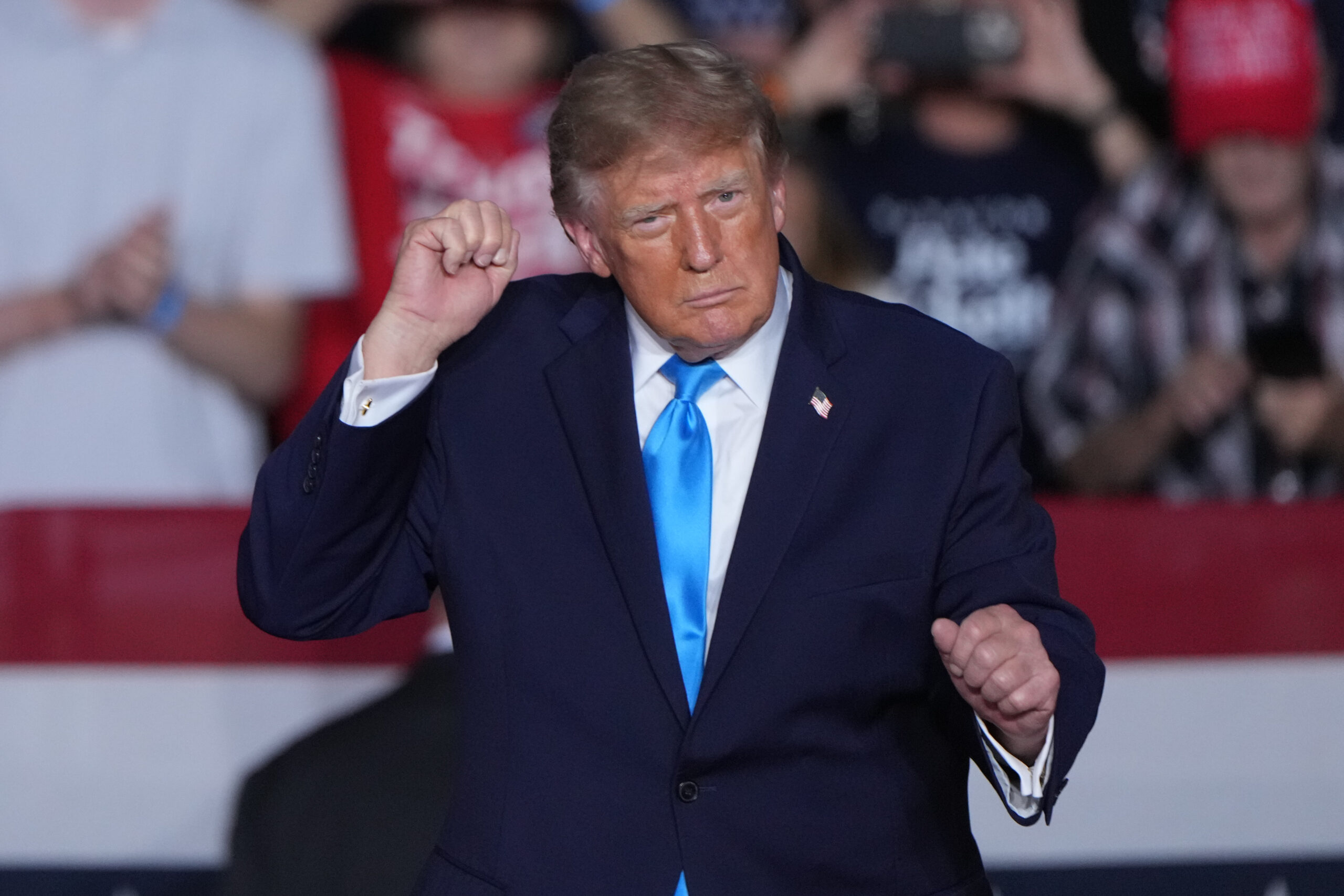
- Trump’s strategy: The president is increasing rallies and urging supporters to vote as though he were on the ballot.

Deep Look
Republican War Chest Meets Difficult Midterm Environment
WASHINGTON — Republicans have approximately $1 billion at their disposal as the midterm campaign enters its final month, but some party officials fear that financial advantage will not prevent substantial losses.
President Donald Trump’s weak standing, continuing concern about living costs and the consequences of the Iran war have created a difficult environment for Republican candidates.
The party’s resources are spread across roughly half a dozen organizations. Much of the advantage comes from the Trump-aligned super PAC MAGA Inc., which held nearly $416 million at the end of August and increased spending on important races in September.
The timing of that spending has become a source of concern within the party.
Late Advertising Purchases Drive Up Republican Costs
Four Republican Senate campaign officials said organizations that reserved advertising time last spring secured considerably lower rates than MAGA Inc. and affiliated groups.
By waiting until September, Trump-linked organizations have sometimes paid more than five times what earlier bookings would have cost as available airtime becomes scarcer.
A MAGA Inc. representative familiar with its strategy defended the spending, saying it had kept races more competitive and, in some cases, provided the only advertisements criticizing Democratic candidates.
The representative and campaign officials spoke anonymously to discuss internal strategy.
Outside groups also pay higher advertising rates than candidate campaigns, further reducing the purchasing power of late super PAC spending.
Texas Becomes Expensive Test of Republican Defense
The spending challenge is particularly visible in Texaswhere Trump is scheduled to campaign Wednesday for Republican Senate nominee Ken Paxton, his second visit to the state in a week.
Texas has not elected a Democratic senator since 1988, yet Republicans are committing extraordinary resources to defend the seat.
According to AdImpact, MAGA Inc. spent more than $22 million in the past month. Texas PAC, aligned with Senate Majority Leader John Thune, spent more than $83 million.
One advertisement featured Paxton’s estranged wife endorsing the full Republican ticket. It aired nationally during last weekend’s Dallas Cowboys–Houston Texans football game.
Ad Rates Reveal Limits of Super PAC Buying Power
AdImpact figures show MAGA Inc. paying approximately $894 per airing for advertisements primarily on streaming services.
Texas PAC paid about $809 per airing across broadcast and streaming, compared with roughly $290 for Democratic nominee James Talarico’s campaign.
Some individual purchases reveal much larger differences.
During a football game last month, Texas PAC paid $450,000 for a single advertisement in the Austin market. Talarico’s campaign paid $50,000 for a spot during the same game in that market.
Those disparities illustrate why a larger budget does not necessarily produce a proportionate advantage in reaching voters.
Republican Pollster Warns October Spending May Arrive Too Late
Longtime Republican pollster Neil Newhouse said earlier advertising may ultimately prove more effective than the final-month surge.
“After the votes are counted, I think we’re going to find the most effective advertising in terms of communicating message and moving voters and poll numbers, the most effective time was advertising that happened well before Labor Day, not after it,” he said. “A million dollars of advertising in October is a drop in the bucket.”
Democrats acknowledge their financial disadvantage but are relying on dissatisfaction with Trump and targeted messages about issues such as corruption.
The contest is becoming a test of whether late spending can counter an unfavorable political environment.
North Carolina Pullback Highlights Allocation Decisions
Thune’s spending operation began reducing its North Carolina investment last week, signaling the difficulty Republicans face in that Senate race.
Outgoing Republican Sen. Thom Tillis has warned that even a substantial funding advantage requires hard choices.
“in the last month, you pretty much have to place your bets,” he said.
“If we have endless resources, then we should spend endlessly in every state,” Tillis said. “Absent endless resources, you’ve got to make data-driven decisions about where you can win.”
The midterms are also the first national election since the Supreme Court’s June decision removing limits on political-party spending coordinated with congressional and presidential candidates.
That ruling has opened another channel for money in an already heavily financed political system.
Previous Elections Show Spending Cannot Guarantee Victory
Recent campaigns demonstrate that financial superiority does not ensure electoral success.
Kamala Harris entered the closing stretch of the 2024 presidential race with substantially more money than Trump but lost every critical swing state and the presidency.
Elon Musk’s $25 million did not secure victory for his preferred Wisconsin Supreme Court candidate last year.
Tom Steyer also failed to advance to California’s gubernatorial general election despite investing $216 million of his own money.
Those examples provide context for Republican concerns about whether their current advantage will translate into votes.
Democrats Seek Gains Despite Smaller Financial Reserves
Comparable major Democratic groups hold at least approximately $579 million, substantially less than Republicans’ roughly $1 billion.
Senate Democratic Leader Chuck Schumer described the Republican spending as “obscene” and warned that its scale could overwhelm Democratic campaigns.
“We’re never going to have as much money as them,” he said. “I sum up the election in this sentence: Can a massive Republican advantage in money beat a massive Democratic advantage in better candidates and political climate? I bet it can.”
Democrats have competitive Senate campaigns in Texas, Ohio, Maine, Iowa and Michigan.
Competitive gubernatorial contests extend from Florida and Georgia to Wisconsin, Ohio and Nevada.
Former President Barack Obama is increasing his involvement and will headline a Senate-candidate fundraiser Wednesday.
House Democrats Expand Targets but Face Funding Constraints
Democrats have grown confident enough about retaking the House to pursue additional seats in traditionally Republican areas of Arkansas and Tennessee.
However, limited resources could restrict how many opportunities they can capitalize on.
“We absolutely need to spend enough to get our message out,” said Rep. Suzan DelBene, chair of the Democratic Congressional Campaign Committee. “And district by district, we are.”
The challenge is to fund enough campaigns effectively while Republicans deploy their larger reserves.
Trump Relies on Supporters’ Loyalty to Boost Turnout
Trump is increasing campaign appearances in conservative areasbetting that his relationship with supporters can help Republicans overcome difficult polling and economic conditions.
At a weekend rally in Vandalia, Ohio, an enthusiastic crowd filled a high school gymnasium and cheered familiar lines, including his use of profanity.
Some attendees began leaving around halfway through the 90-minute speech.
During Monday’s rally in Grand Island, NebraskaTrump again asked supporters to approach the midterms as though he were running.
“In a true way, I am running,” he said. “We have to keep it going.”
More on US News