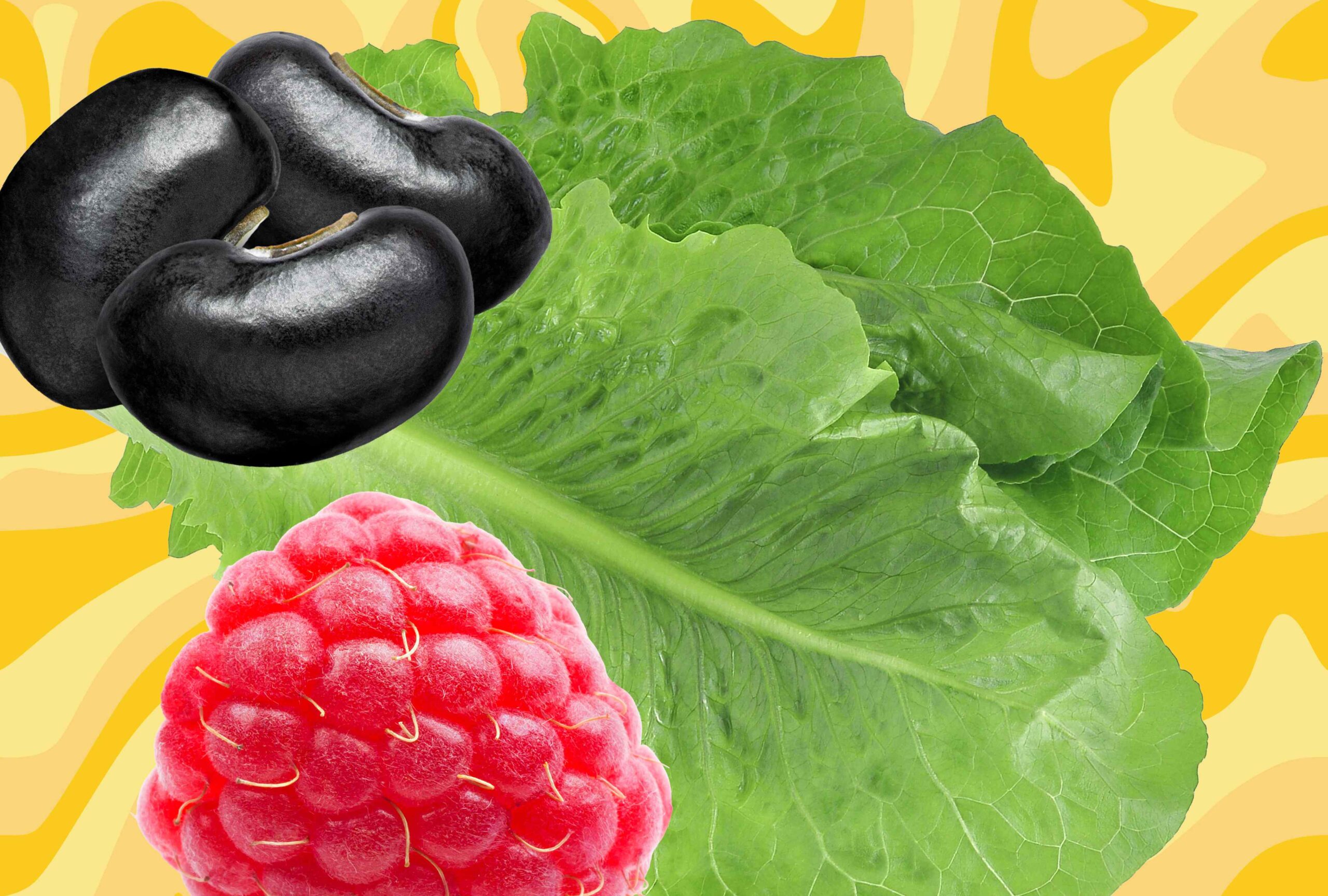
These can make a big difference for blood pressure numbers.
Reviewed by Dietitian Lisa Valente, M.S., RD
Key Points
- Leafy greens contain potassium and nitrates, which can both help blood pressure.
- Beans, ground flaxseed and raspberries all deliver compounds that support healthy blood pressure.
- Cardiologists also recommend exercise, monitoring your numbers and a heart-healthy diet.
Blood pressure tends to creep up quietly. You might feel fine for years while the numbers climb, which is why so many people only find out during a routine checkup. Medication plays an important role for many, but what you put on your plate every day matters too.
We asked cardiologists which foods they actually recommend to patients who want to support healthy blood pressure. None of these foods is a cure, and none should replace treatment your doctor prescribes. Still, each one earns its place on the list with real nutritional value and, in several cases, solid research behind it.
1. Leafy Greens
“My top pick is leafy greens, such as spinach or kale,” per Jonathan Salik, MD. “Increasing potassium intake can help the body flush out sodium and relax blood vessels. Leafy greens are one of the best natural sources of potassium (in addition to multiple other vitamins/minerals). Moreover, they are very low in calories and versatile culinarily, so they are a great choice for those looking to increase potassium,” Salik adds.
Potassium isn’t the only thing greens bring to the table. They’re also a source of dietary nitrate, which your body converts to nitric oxide. In one study of more than 50,000 Danish adults, people who ate the most nitrate-rich vegetables had slightly lower systolic blood pressure and a lower risk of cardiovascular disease than those who ate the least. Keep in mind that this was an observational study, so it shows a link rather than proof of cause.
To get more greens into your day, toss a handful of spinach into eggs, soups or pasta sauce. It cooks down a lot, so 2 cups raw shrinks to a much smaller serving. One caution: Greens are high in vitamin K. If you take blood-thinner medication, aim for a consistent intake rather than big swings, and check with your doctor first. People with kidney disease should also ask before boosting potassium.
2. Beans
“Beans are great because they can be quite filling while still providing significant sources of potassium and other vitamins/minerals,” per Salik. Beans also deliver fiber and plant protein, two nutrients many Americans fall short on. They’re a staple of the DASH eating plan, which was designed specifically to help lower blood pressure and recommends legumes, nuts and seeds several times a week. An easy start is swapping half the ground meat in chili, tacos or burritos for black beans or lentils.
Salik cautions about the high sodium in canned beans and recommends no-salt-added options. You can also look for low-sodium versions and drain and rinse your beans before cooking with them to help remove some of the salt.
3. Ground Flaxseed
One pantry staple has more research behind it than you might expect: “ground flaxseed has compelling data supporting its use for individuals with elevated blood pressure, or as an adjunct to medication for those with hypertension,” per Fred Watson, MD, FACC. Flaxseeds are a source of fiber, alpha-linolenic acid and plant compounds called lignans, which may help support healthier blood pressure.
The word “ground” matters here. Whole flaxseeds often pass through your digestive system intact, so you miss out on much of their fiber, lignans and plant-based omega-3 fat. One large systematic review and meta-analysis found that flaxseed supplementation was associated with meaningful reductions in both systolic and diastolic blood pressure compared with control groups.
Stir it into oatmeal, yogurt or smoothies, or mix it into muffin batter. Start with a smaller amount and work up gradually, since the extra fiber can cause bloating at first. Store ground flaxseed in the refrigerator or freezer to keep it from going rancid. And if you take blood pressure medication, keep taking it as prescribed. Flaxseed works best as a supporting player.
4. Raspberries
Bradley Serwer, MD recommends high-fiber fruit because it’s a source of vitamins, minerals and antioxidants. Those nutrients may help reduce your risk of heart disease by supporting lower blood pressure and better overall cardiovascular health.
Raspberries stand out as one of the most fiber-dense fruits around. One cup provides about 8 grams of fiber for roughly 65 calories. Raspberries are also a source of antioxidant compounds such as anthocyanins, which may help support heart health and healthy blood vessels. Frozen raspberries are just as nutritious as fresh and often cost less, making them easy to keep on hand year-round. Toss them into overnight oats, blend them into a smoothie with spinach and ground flaxseed or simply eat a handful as an afternoon snack in place of something sugary.
Other Blood Pressure Tips
Eating these foods is just one piece of the healthy blood pressure-supporting puzzle. Here are more tips to follow, according to the Centers for Disease Control and Prevention (CDC).
- Check your blood pressure regularly. High blood pressure often has no symptoms, so monitoring it is the best way to know whether your numbers are improving. Tracking readings at home can also help you and your doctor see whether your treatment plan is working.
- Get regular physical activity. Consistent movement can help lower blood pressure and support overall heart health. Choose activities you can stick with, whether that’s walking, cycling, strength training or another form of exercise you enjoy.
- Eat a heart-healthy diet. Eating more nutritious foods can help support healthy blood pressure and lower your risk of heart disease and stroke. A balanced eating pattern also works best alongside other habits like exercise and weight management.
- Take medication exactly as prescribed. Many people need medicine in addition to lifestyle changes to keep blood pressure in a healthy range. Don’t stop taking it without talking to your health care team, since stopping suddenly can lead to serious problems.
Our Expert Take
You don’t need an overhaul to support healthier blood pressure. Leafy greens, beans, ground flaxseed and raspberries are simple to work into meals you already eat. Each one brings fiber, potassium or other nutrients that research links to better heart health.
Food works best as part of a bigger plan, not as a substitute for medical care. If you’ve been diagnosed with high blood pressure, keep taking any prescribed medication. Check your numbers regularly, and talk with your doctor before making major diet changes. That’s especially important if you have kidney disease or take blood thinners. Over time, these small, steady choices can add up to meaningful benefits for your heart health.