There’s nothing more irritating than opening the fridge expecting crisp, fresh veg – only to find it’s already gone limp and sad. Carrots and celery are two of the worst offenders, somehow managing to turn rubbery just when you need them for a salad, a snack, or a midweek dinner.
The good news is it’s not always down to how “fresh” they were when you bought them. In many cases, it’s the way they’re stored. So if you make a few simple tweaks to where (and how) you keep them, you can stop the problem cropping up again and again.
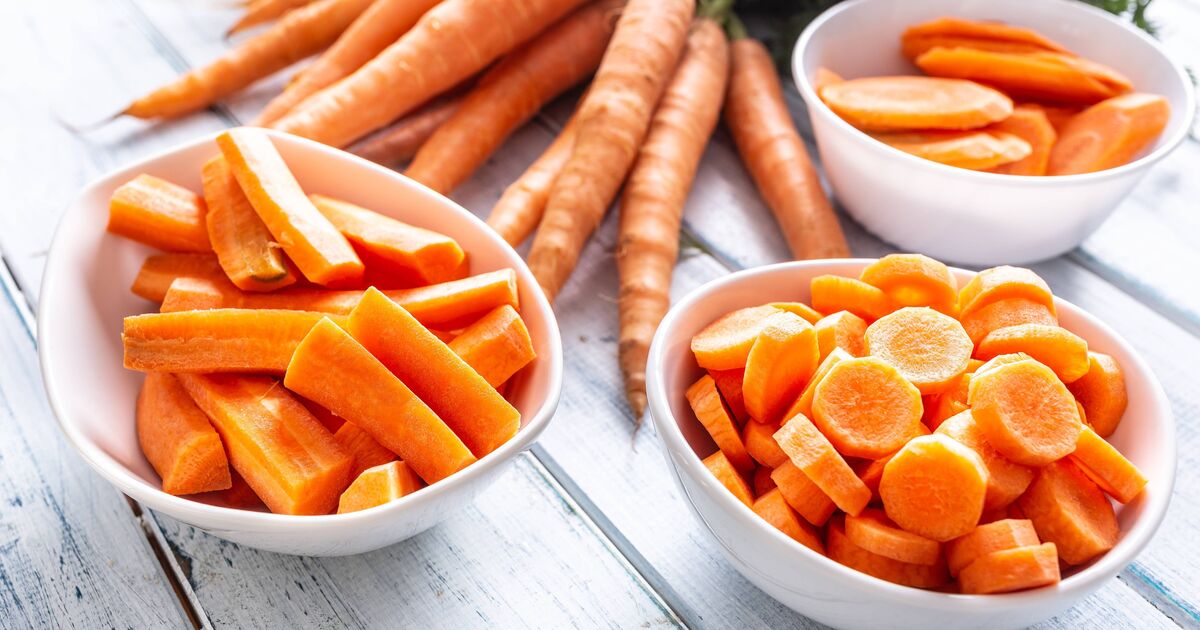
She said: “This is the best way to store your celery and carrots and make sure they’re always fresh and crunchy. Cut them up however you’d like and put them in a container of water. Set the container in the fridge and they’ll stay crunchy for weeks.”
For best results, wash and dry the carrots or celery before storing them in water and popping them in the fridge. Remove any soft, split, or damaged bits before storing your vegetables. This is because spoilage can spread.
How does the storage hack work?
The tip works well because fridges are dry environments. In contrast, carrots and celery are high in water and slowly lose moisture to the air.
When they lose water, their cells lose pressure (turgor), and they go floppy. However, sitting them in water helps them stay hydrated, so they stay firm and crisp.
What’s more, limp veg can often perk back up after a soak because they reabsorb water.
Safety measures
If you are following this storage hack, there are some important precautions you should take to prevent eating spoiled produce.
Firstly, change the water every one to three days. You should also wash the container and lid between water changes to reduce contamination.
You should also keep a close eye on the celery and carrots to ensure there are no signs of slime or mould. Smelling the produce and looking for signs of fizzing are also ways to tell if food is on the turn.
If you have any doubts about whether your food is still fresh enough to eat, we recommend avoiding it. After all, it’s better to be safe than sorry.