
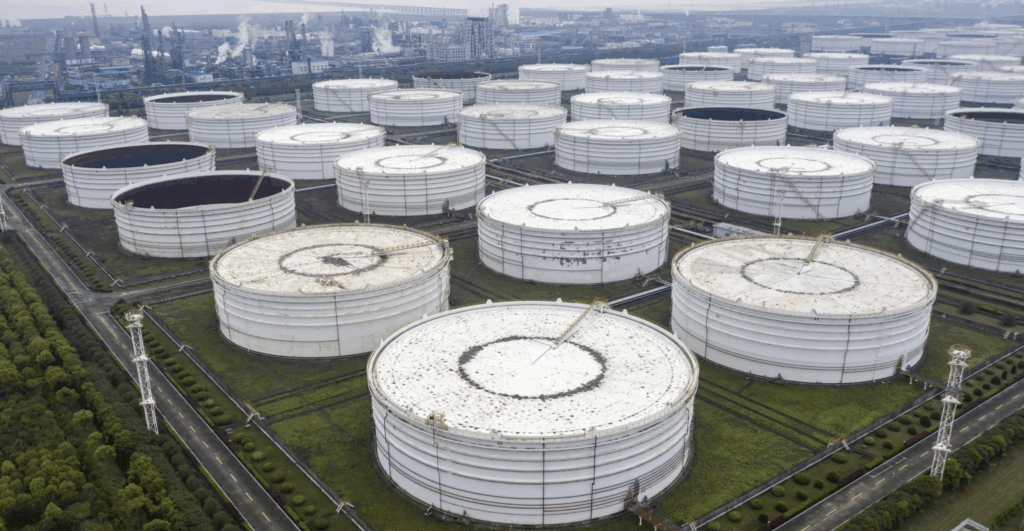

A recent analysis highlights a stark contrast between how China and India prepared for a global oil crisis triggered by the Iran conflict and disruption of the Strait of Hormuz. The takeaway is blunt: China built reserves—India built plans.
The Core Issue: Oil Shock & Strategic Readiness
With the Strait of Hormuz effectively disruptedglobal oil supply chains came under stress. For import-dependent countries like India and China, this became a real-time test of preparedness.
- The International Energy Agency (IEA) even triggered emergency stock releases
- Countries with large reserves gained breathing space
- Others faced immediate vulnerability
China vs India: The Big Gap
The comparison is striking:
- China: ~1.4 billion barrels of oil reserves
- India: ~21 million barrels (usable reserves in crisis context)
China’s reserves can sustain long-term disruptions, while India’s stockpile covers only a few days of consumption.
Where India Fell Behind
India didn’t ignore the problem—it just moved slowly.
- Strategic petroleum reserve (SPR) approved in 2004
- First facilities operational only between 2015–2018
- Total Phase 1 capacity: ~39 million barrels
Delays were caused by:
- Infrastructure bottlenecks (pipelines, power supply)
- Administrative inefficiencies
- Slow execution despite early planning
Meanwhile, China Moved Fast
China started around the same time—but executed aggressively:
- First facility operational by 2006
- Multiple storage hubs completed within 2–3 years
- Early capacity: 100+ million barrelsrapidly scaling toward long-term goals
China treated energy security as a strategic prioritynot just a policy idea.
Why This Matters Now
The current crisis exposes the consequences:
- India is heavily dependent on imported oil via vulnerable routes
- Any disruption (like Hormuz) creates immediate supply risk
- Emergency buying (like rerouting oil tankers) becomes necessary
In contrast, China can rely on its reserves to stabilise supply and prices domestically.
The Bigger Lesson
This isn’t just about oil—it’s about execution vs intent.
- India identified the risk early
- But implementation lagged
- China turned strategy into infrastructure at scale
The result: one country buffered against shocks, the other exposed.
Final Take
The phrase “China filled its tanks, India filled its reports” captures a deeper issue—policy without execution has limits.
As global energy becomes more volatile, India’s challenge is clear:
move faster from planning to real, scalable infrastructure.
Image Source
Comments are closed.