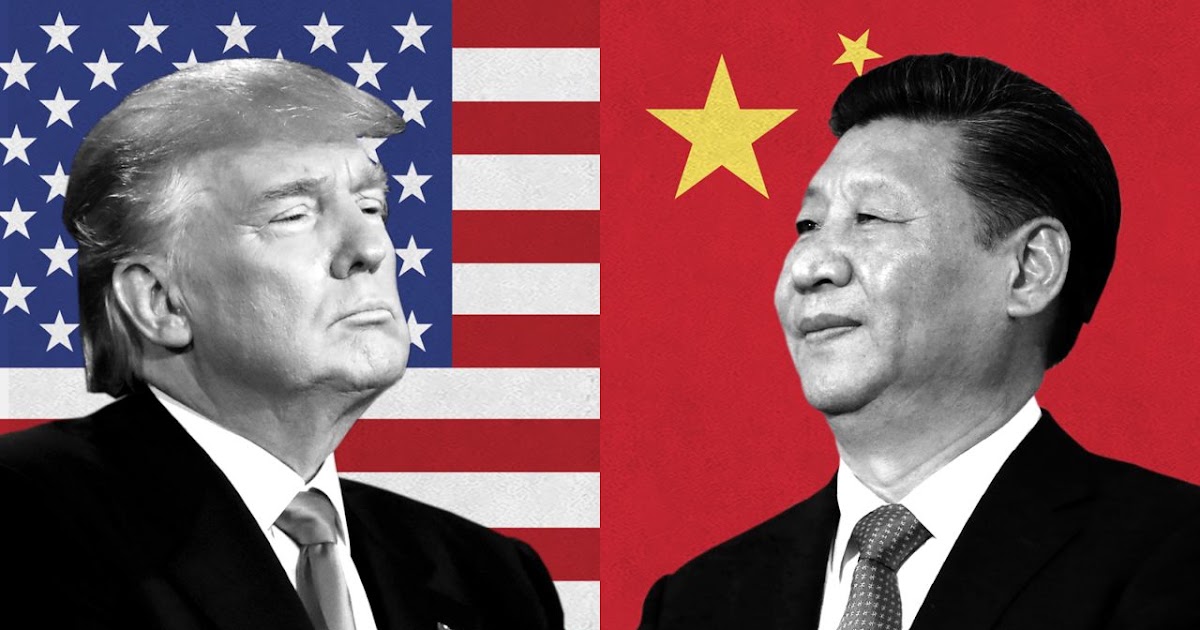
New Delhi. The technology war between the world's two biggest economic powers, America and China, seems to be intensifying. This time the matter is about advanced AI chips. The US has increased strictness on AI chip exports to five countries to prevent indirect access of its cutting-edge chip technology to China. The impact of this decision will not be limited only to China and America, but may also affect the global semiconductor market and AI industry.
Strictness on AI chip export to five countries
According to the report, the US Bureau of Industry and Security (BIS) has imposed export license conditions for advanced AI chips to be sent to Malaysia, Thailand, Indonesia, Singapore and Brazil. Its purpose is to prevent Chinese companies from accessing American AI technology through foreign data centers.
In fact, America has already imposed several restrictions on selling state-of-the-art AI chips to China. However, there are fears that Chinese companies are using the computing capacity of these chips through data centers and cloud services of other countries. Now America wants to limit this path.
Pressure may also increase on Nvidia
American sanctions may also affect the world's leading chip manufacturer Nvidia. According to the report, on November 20, a decline of 11.5 percent was recorded in the company's shares. Apart from this, news of investigation by the US Securities and Exchange Commission (SEC) into possible accounting issues has also increased the concern of investors. At the same time, there has been a 25 percent decline in the shares of CoreWeave, a company related to AI infrastructure, after the developments related to Nvidia. Due to this, questions are being raised regarding investment and financial risks in the AI sector.
China is also maintaining its strong chip industry
Amidst American restrictions, China is also intensifying its efforts to become self-reliant in the field of semiconductors. China is promoting domestic companies in the fields of chip design, manufacturing, equipment and raw materials. Companies like HiSilicon, Cambricon, Loongson, SMIC and Hua Hong Semiconductor are working in this direction.
According to estimates, in 2025, China's semiconductor equipment market could reach $49 billion and the material market could reach $16 billion. Actually, this chip war between America and China has now reached a new turn. In the coming time, its impact can be seen on the cost of AI technology, global investment and semiconductor supply chain.