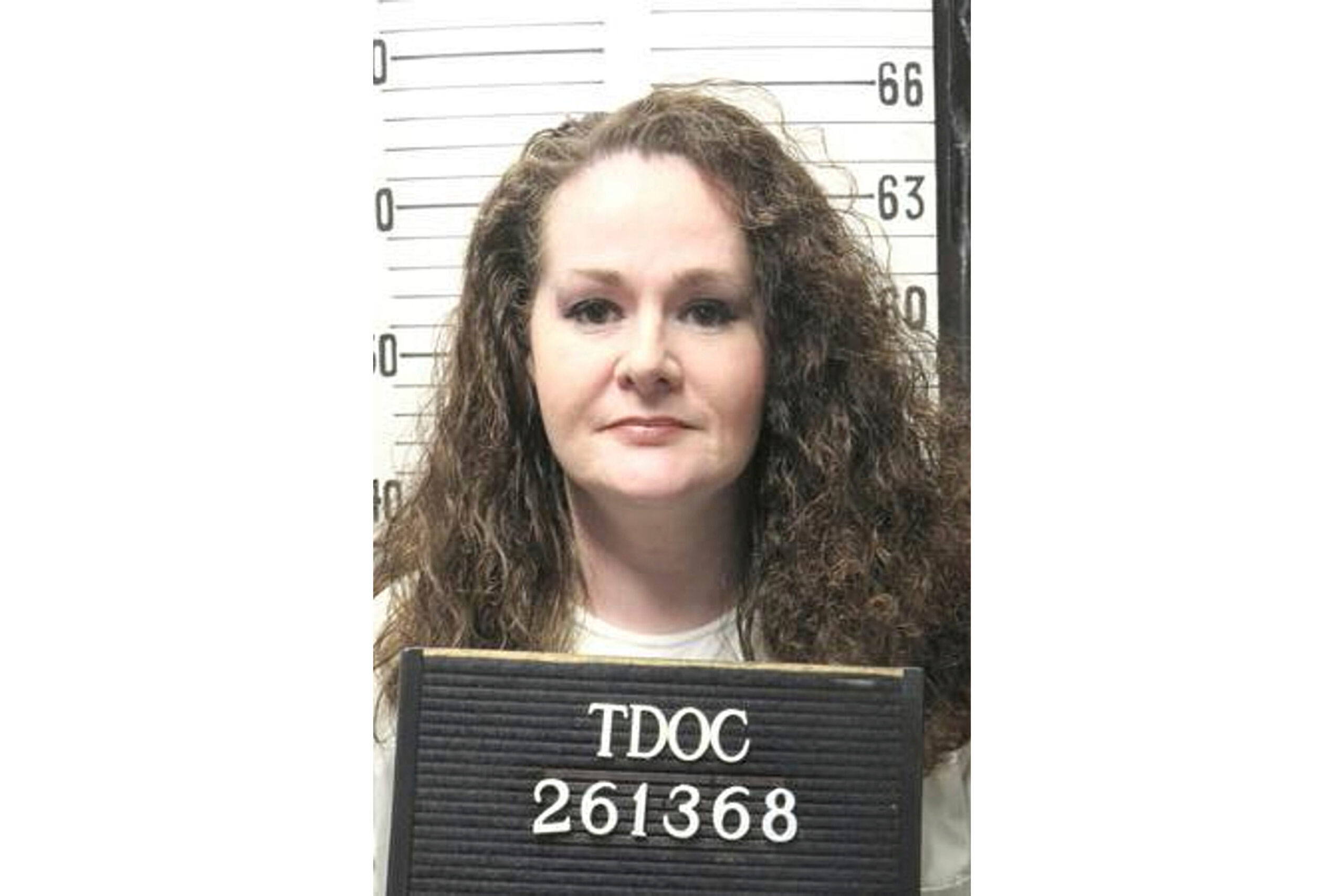
Christa Pike Unconscious, on Ventilator After Failed Execution, Attorneys Say/ TezzBuzz/ WASHINGTON/ J. Mansour/ Christa Pike remained unconscious and on a ventilator after Tennessee’s failed execution attempt, according to a court filing by her attorneys Friday. Her lawyers believe improperly placed IV lines prevented pentobarbital from entering her bloodstream correctly, although officials have not explained the failure. Gov. Bill Lee has ordered an independent review and postponed two executions as attorneys seek to preserve evidence and lawmakers question the state’s methods.
Quick Look
- Hospital condition detailed: Attorneys said Pike was unconscious and receiving ventilator support after Wednesday’s execution attempt.
- Treatment continued: As of late Thursday, hospital staff were working to save her life and clear the execution drug from her body.
- IV problems alleged: Lawyers believe pentobarbital entered surrounding tissue rather than properly reaching her bloodstream.
- Two doses administered: Neither the initial nor backup dose completed the execution.
- State explanation pending: Officials have not disclosed what went wrong.
- Evidence preservation requested: Attorneys asked a court to order the Department of Correction to retain all evidence.
- Executions postponed: Lee indefinitely delayed Pike’s execution and another scheduled this year.
- Earlier failures documented: A 2022 review found drug-testing violations and deficiencies in execution procedures.

Deep Look
Court Filing Details Pike’s Condition After Execution Attempt
Christa Pike was placed on a ventilator and remained unconscious in the hospital after Tennessee’s unsuccessful attempt to execute her Wednesday, her attorneys said in a Friday court filing.
The filing provided the first detailed account of her condition after an ambulance transported her from Riverbend Maximum Security Institution in Nashville.
Her lawyers had previously described her condition as critical.
They said hospital staff were working to save her life and were attempting to clear the two doses of pentobarbital administered during the execution attempt.
Attorneys Allege IV Lines Failed to Deliver Drug Properly
Pike’s legal team believes problems with the IV lines caused pentobarbital to enter her body outside the bloodstream.
“Apparently at no point did any member of the execution team realize that the IV lines were not correctly placed or that the veins had blown and that the pentobarbital was, in whole or in part, entering Ms. Pike’s body,” they wrote.
Rather than “remedying this failure,” the lawyers said, officials prepared and administered a second dose.
Their explanation remains an allegation. State officials have not provided an account of what caused the procedure to fail.
Prolonged Attempt Raises Questions About Procedures
Defense attorney Randy Spivey said the execution team spent an hour working to administer the lethal drugs.
He counted at least seven needles in Pike’s left arm.
Neither the first dose nor the backup dose produced the intended result. Pike could still be heard snoring when officials turned off the execution chamber’s microphone more than an hour into the attempt.
The failure has prompted demands for answers from people on both sides of the death penalty debate.
Governor Orders Review as Lawmakers Consider Alternatives
Gov. Bill Lee ordered an independent review of Tennessee’s execution procedures.
He also indefinitely postponed Pike’s execution and another execution scheduled for this year.
Republican lawmakers said the state should examine whether to discontinue single-drug lethal injections and consider other methods of carrying out death sentences.
No explanation for the failed attempt or decision on a replacement method was announced in the report.
Lawyers Seek Order Preserving Execution Evidence
Pike’s attorneys asked a state court to require the Tennessee Department of Correction to preserve all evidence related to the failed execution.
“Preserving this evidence is essential to understanding what happened, ensuring accountability and protecting Christa’s legal rights,” two attorneys said in a statement.
The request seeks to safeguard materials that could help establish how the procedure was conducted and why it failed.
Pike’s Sentence Stems From Colleen Slemmer’s Killing
Pike was 18 when she and her boyfriend tortured and killed their classmate, 19-year-old Colleen Slemmer, in a jealous rage.
She subsequently became one of the youngest women sentenced to death.
Her attorneys said she was diagnosed with bipolar disorder and post-traumatic stress disorder after the killing.
In an earlier clemency petition, Pike expressed remorse.
“It took me numerous years to even realize the gravity of what I’d done. Even more to accept how many lives I affected. I took the life of someone’s child, sister, friend. It sickens me now to think I had the ability to commit such a crime,” she said.
Slemmer’s mother, May Martinez, expressed frustration after the execution failed.
“I didn’t get justice for my daughter,” Martinez said Thursday.
Tennessee Previously Halted Executions Over Drug Testing
The latest review follows another major examination of Tennessee’s execution system four years earlier.
In April 2022, Lee abruptly stopped Oscar Smith’s scheduled execution. He then paused all executions after acknowledging that the state had not ensured proper testing of its lethal injection drugs.
A subsequent report found that Tennessee had failed to comply with its own execution procedures since their revision in 2018.
As a result, executions had proceeded without the required drug testing.
Earlier Review Found Executioner Lacked Formal Healthcare Training
At the time of the 2022 review, Tennessee used a three-drug protocol consisting of midazolam, vecuronium bromide and potassium chloride.
The state later replaced that procedure with pentobarbital alone, a drug also used in executions by other states and the federal government.
The review, led by former U.S. Attorney Ed Stanton, found that Tennessee’s unidentified executioner had no formal healthcare training and had learned the role largely through on-the-job experience.
Following the report, the Department of Correction dismissed its longtime top attorney and another employee.
Those earlier findings provide additional context for renewed scrutiny of the state’s execution practices.
More on US News