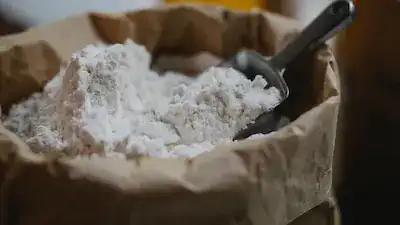
It is common to store wheat at home for a year, but weevil infestation in grains stored for a long time can become a big problem. Small insects gradually spoil the wheat and if care is not taken in time, a lot of grain can be wasted. However, the risk of weevil and moisture problems can be greatly reduced by properly drying wheat and storing it in appropriate containers.
Be sure to check moisture before storing wheat
Before storing wheat, ensure that there is no moisture in it. Dry the wheat brought from the market or kept after harvesting thoroughly as per requirement. Keeping moist grains in a closed container can increase the risk of fungus and insects. Therefore, it is important for both the wheat and the container to be completely dry before storage.
Keep wheat in steel airtight container
To keep wheat safe for a long time, a strong and tightly closed steel drum or container can be used. Before filling the wheat, clean and dry the container thoroughly. If there is any old grain, dust or moisture present in it, remove it completely. The lid of the container should be such that air and moisture cannot enter easily.
Dry neem leaves can be useful
Dried neem leaves have been traditionally used to protect grains from insects. While filling wheat, some completely dry neem leaves can be placed at the bottom of the container. If storing large quantity of wheat, a layer of leaves can also be placed in the middle. Keep in mind that there should be no moisture in the leaves, as this can increase the risk of grain spoilage.
Garlic cloves are also used
The strong smell of garlic is also traditionally used to keep insects away from grain. Some people keep dry and clean garlic cloves in wheat containers. However, in case the garlic gets moisture or gets spoiled, it should be removed immediately. Consider this a helpful home remedy, not a guarantee of mite control.
Be careful while using camphor
Due to the strong smell of camphor, it is also traditionally used as a remedy to keep away insects. But it is not advisable to keep camphor in direct contact with wheat, because it is a food item and camphor is not for edible use. If camphor is kept in the house, then keeping it separate from grains is a safer option. When there is a serious problem of grain pest infestation, it is better to adopt food-safe and certified storage methods.
Do not leave wheat container open again and again
After taking out the wheat, immediately close the container properly. Leaving it open frequently can allow air and moisture to enter, affecting the quality of the grain.
Keep the container in a dry, clean and cool place. Avoid keeping grains in the sink, bathroom or any place where there is water and dampness.
Keep checking the wheat from time to time
Merely storing wheat is not enough. Keep checking the grains stored for a long time from time to time. If small insects, cobwebs, odor, moisture or abnormal changes in grains are noticed, immediately isolate and inspect the condition. If there is a large scale infestation, it would be better to seek advice from a grain storage specialist or a local agricultural expert rather than relying only on home remedies.
Most important things to keep in mind
Dry the wheat thoroughly before storing it.
Use clean and completely dry airtight containers.
Keep the container away from moist places.
Traditional remedies like dry neem leaves can be used with caution.
Keep checking the wheat from time to time.
Do not mix camphor directly into food grains.
In case of severe infection, consult a specialist.
In this way, by paying attention to proper drying, cleaning and protection from moisture, wheat can be kept in better condition for a long time and the risk of weevil infestation can be reduced.