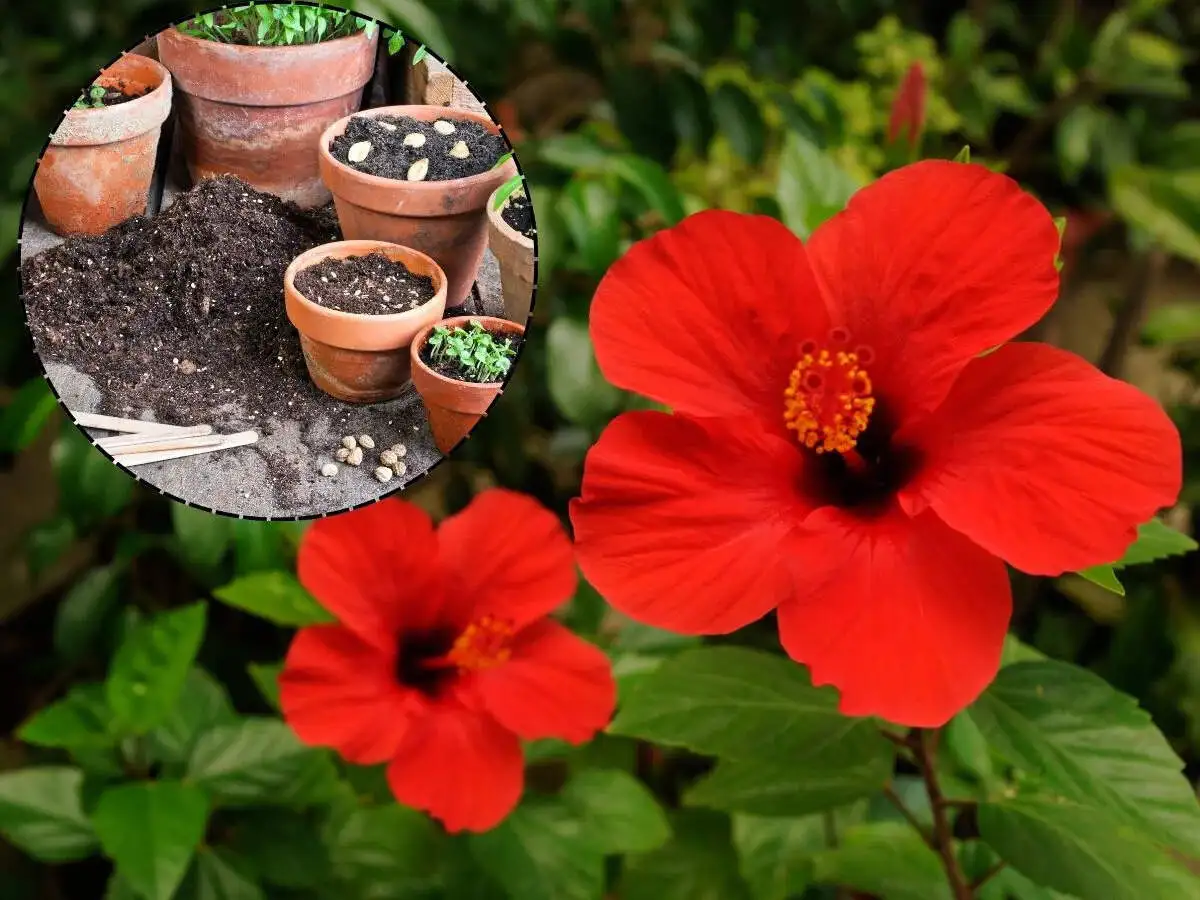
Hibiscus: a beautiful plant
If you are fond of gardening in your home and want to decorate your courtyard or balcony with colorful flowers, then the hibiscus plant can be a great option. Its bright red and other colored flowers enhance the beauty of your home. Hibiscus is also known by names like Adhul, Jawa and Javakusum. Herbal tea is made from its flowers, which contain antioxidants. However, for good growth of the plant and more flowers, it is necessary to take care of the right pot, suitable soil, adequate sunlight and water.
1. How to choose the right pot for Hibiscus?
To plant a hibiscus plant, choose a pot which has enough space for its roots to spread. A 10 to 12 inch pot can be a good starting option for a small plant.
Using clay pots can be beneficial, as they help the moisture to drain out. However, plastic or ceramic pots can also be used, provided they have enough holes for drainage.
Note: The roots can rot due to stagnation of water in the pot, so ensure good drainage.
2. Selection of soil
For good growth of hibiscus plant, select light, fertile and easily draining soil. Such soil helps in providing air to the roots and draining out excess water.
You can mix appropriate amount of well decomposed organic manure and coco peat or coarse sand with garden soil in the pot. This improves the structure of the soil.
Soil with pH of about 6.0 to 7.0 is suitable for hibiscus. When the right soil is available, the plant remains healthy and its growth potential increases.
3. Plant needs sunlight
Hibiscus needs adequate sunlight to grow well and produce more flowers. Generally, it is beneficial to get about 4 to 6 hours or more of sunlight daily.
If the balcony of your house gets morning sunlight, the plant can be kept there. In very hot weather, if the leaves start withering due to the strong afternoon sun, then keep the plant in light shade.
Gardening Tip: Keep the plant in a place where it gets adequate light and air.
4. Right time to water hibiscus
Hibiscus requires regular watering, but it is not necessary to provide a certain amount of water daily. Check the soil of the pot before watering.
Check by touching the top 2 cm layer of soil with your finger. If the soil seems dry, water the plant. If the soil is still wet, wait a while.
In summer the soil may dry out quickly, while in cold or rainy weather the need for water may be less. It is convenient to water in the morning. Add enough water that the soil becomes thoroughly moist and the excess water drains out through the holes at the bottom.
Things to keep in mind to get more flowers
- Give balanced fertilizer to the plant from time to time.
- Keep removing dry and diseased branches.
- Check for pests on the undersides of leaves.
- Avoid applying excessive water and fertilizer.
- Plant it in a bigger pot at the right time according to the growth of the plant.