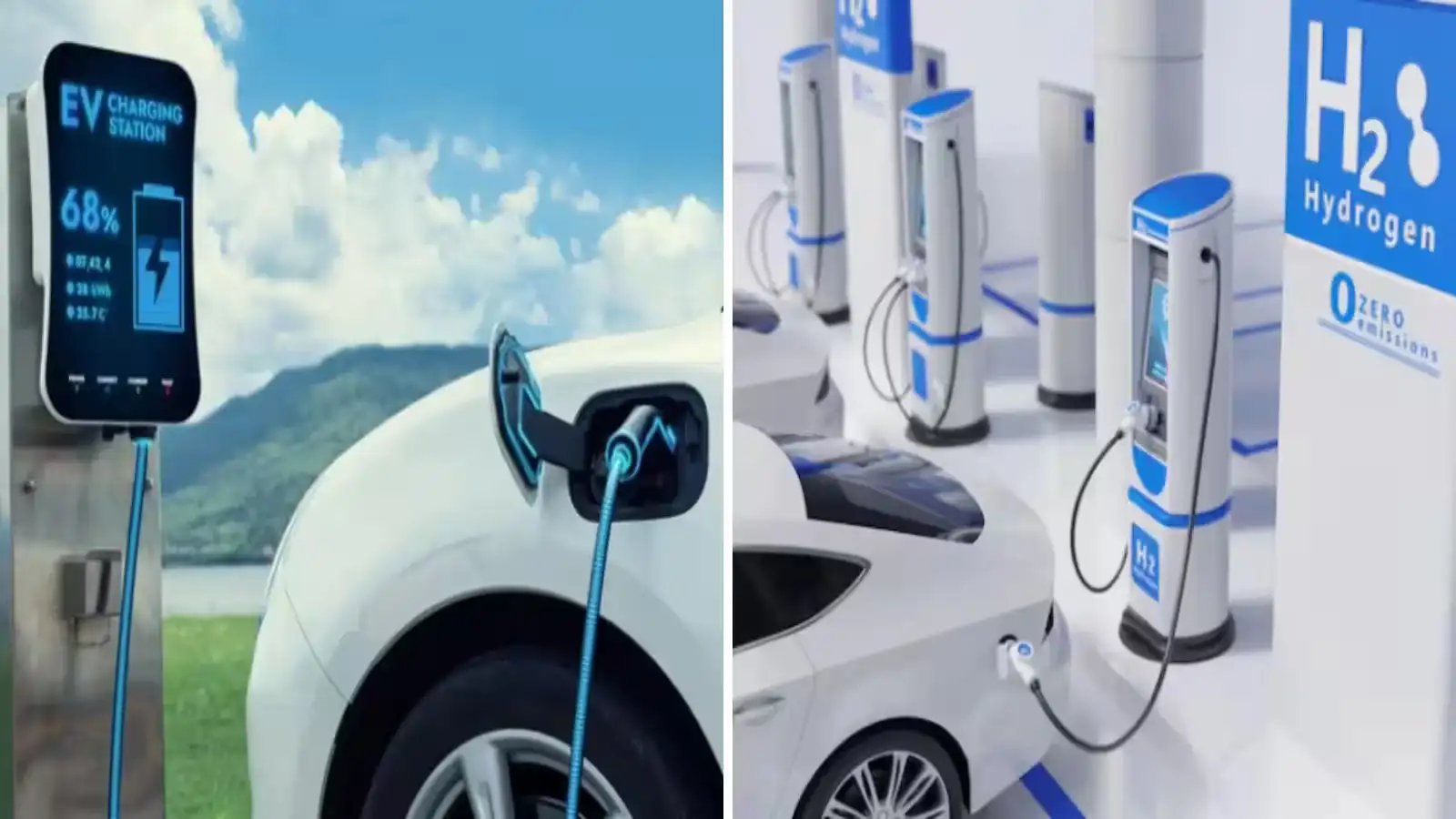
Vehicle companies around the world are working on new technologies to reduce dependence on petrol and diesel. Along with electric cars, hydrogen fuel cell technology is also being seen as a future option. In this technology electricity is generated with the help of hydrogen., Due to which the electric motor drives the vehicle. BMW, Hyundai, Honda And Toyota Companies like have developed different models and concepts in this field. Let us know about five special vehicles related to hydrogen technology.
1. BMW iX5 Hydrogen
BMW iX5 Hydrogen Developed to test the company's hydrogen fuel cell technology suv Is. In this the fuel cell generates electricity from hydrogen., While the electric motor drives the wheels.
The purpose of this vehicle is to understand how hydrogen-based electric drives perform in different conditions. Make it widely available to general customers suv Should not understand. Its usefulness may increase in those markets in future, Where the hydrogen production and refueling network is better developed.
At present BMW iX5 Hydrogen Not available on sale to general consumers in India.
2.Hyundai Nexo
Hyundai Nexo a hydrogen fuel cell suv Is, Which has been developed for the use of this technology. In this, electricity is generated from hydrogen and the electric motor propels the vehicle forward.
suv This car has been designed keeping in mind the cabin space and everyday use. Its range models, May vary as per variants and testing standards.
AlthoughNexo Hydrogen refueling station is required to run. This is why its availability is limited to those markets., Where there is adequate facility for filling hydrogen. This mango is not available for sale in India.
3. Hyundai Initium
Hyundai Initium Concept showcasing the company's future hydrogen technology and design suv Is the model. It was introduced with the aim of showing the direction of future fuel cell vehicles rather than as a production car available to general customers.
Strong in its design suv Emphasis has been placed on looks and family-friendly construction. Through this concept, the company showed its plans to advance hydrogen mobility.
One thing to note is that not every technology or feature shown in the concept car will necessarily be included in the future production model. Its final features, Range and availability information will depend on the official announcement of the respective production models. Its sale in India has not been announced.
4. Honda CR-V
Honda CR-V e Offers a combination of hydrogen fuel cell and plug-in charging technology. In this, the fuel cell generates electricity from hydrogen and the electric motor drives the vehicle. as well as, Its battery can also be charged from an external power source.
Its specialty is that along with generating electricity from hydrogen, it also has the option of charging the battery. This may increase utility in those markets, Where both hydrogen and charging facilities are available.
Although, This model is available in select markets only. It cannot be considered a car regularly available for sale to common customers in India.
5. Toyota Mirai
Toyota Mirai It is included in the world's leading hydrogen fuel cell cars. Hydrogen tank in it, A fuel cell stack and electric motor are used. Fuel cell produces electricity from the chemical reaction of hydrogen and oxygen present in the air., Due to which the car runs.
In this process, water mainly comes out from the tailpipe of the car. Its estimated driving range in some markets and variants is around 650 expressed in kilometers, However, the actual range depends on driving conditions and testing standards. Filling hydrogen can usually take a few minutes, Provided that a suitable refueling station is available.
Mirai The biggest challenges facing hydrogen include the limited number of hydrogen stations and the cost of fuel. This car is also not available on regular sale to general customers in India.
What is the future of hydrogen cars in India??
Hydrogen fuel cell technology has potential for long distance travel and faster refueling. But its success comes at the expense of hydrogen., production methods, Transportation and refueling will depend on the network of stations.
At present, the use of electric vehicles in India is more practical than hydrogen cars., Because the electric charging network is expanding. How popular will hydrogen technology be in the coming years, This will depend on the development of infrastructure and the plans of the vehicle companies.