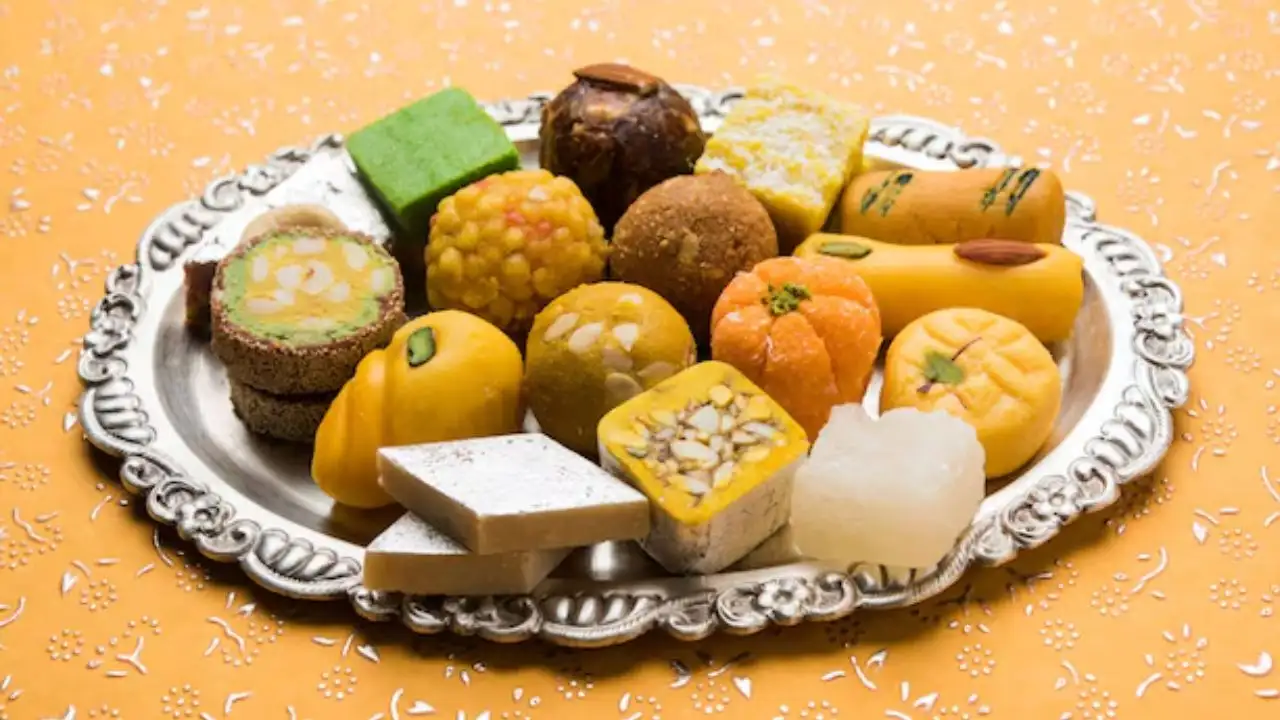
Consumption of sweets and health on Diwali
On the occasion of Diwali we enjoy different types of sweets. These may include refined sugar, ghee, mawa and saturated fat. Excessive consumption of these sweets increases the calorie level, which leads to the risk of weight gain and accumulation of fat in the body. If you eat more sweets than required, the sugar level in your body may suddenly increase. Apart from this, problems like indigestion and gas may also arise, as these sweets are not made in a pure manner.
storing sweets in the freezer
Many people keep Diwali sweets frozen for a week. You will be surprised to know that sweets made from mawa have more moisture, due to which they remain safe for only one or two days. If you keep sweets frozen for a long time, it can be harmful for your health. We discussed this topic with Dr. Anjali Phatak, Director, NutriPlus.
Consumption of Diwali sweets: Effects on health
Consuming sweets for weeks: danger to health
It is not safe to keep sweets at room temperature for a long time. Especially sweets made from mawa, milk and khoya are prone to bacteria growth. The speed of their spoilage depends on temperature, moisture and storage. Therefore it is necessary to store sweets properly and take care of their shelf life. If sweets have an off-odor, change in taste or texture, do not eat them. Spoiled sweets cannot be identified just by looking or smelling. – Dietician Anjali Phatak
1. Effect on blood sugar: Eating too much sugar can increase blood glucose rapidly, which is a matter of concern for diabetes and pre-diabetes patients.
2. Risk of weight gain: Laddu, barfi, kaju katli, gulab jamun and other sweets are high in calories. Eating small amounts every day also increases total calories.
3. Risk of fatty liver: Consuming excess calories and excess sugar over a long period of time can promote weight gain and metabolic problems, which can also increase the risk of fatty liver.
4. Effect on Heart Health: Frequent consumption of sweets containing excess ghee, mawa and saturated fat can form part of an unbalanced diet and affect heart health in the long run.
5. Dental problems: Frequent eating of sweets increases the risk of cavities and other problems in teeth.
How to take care of health?
- Do not make a habit of eating sweets daily in the name of Prasad.
- Keep the quantity of sweets small and eat them only occasionally.
- Do not store more sweets than necessary in the house.
- Reduce your intake of sweet drinks and other high-calorie items.
- Include salads, green vegetables, pulses and fiber-rich foods in your daily balanced diet.
- Make regular physical activity and 30-minute walks a part of your daily routine.
- People suffering from diabetes, obesity and heart disease should be especially careful about consuming sweets.