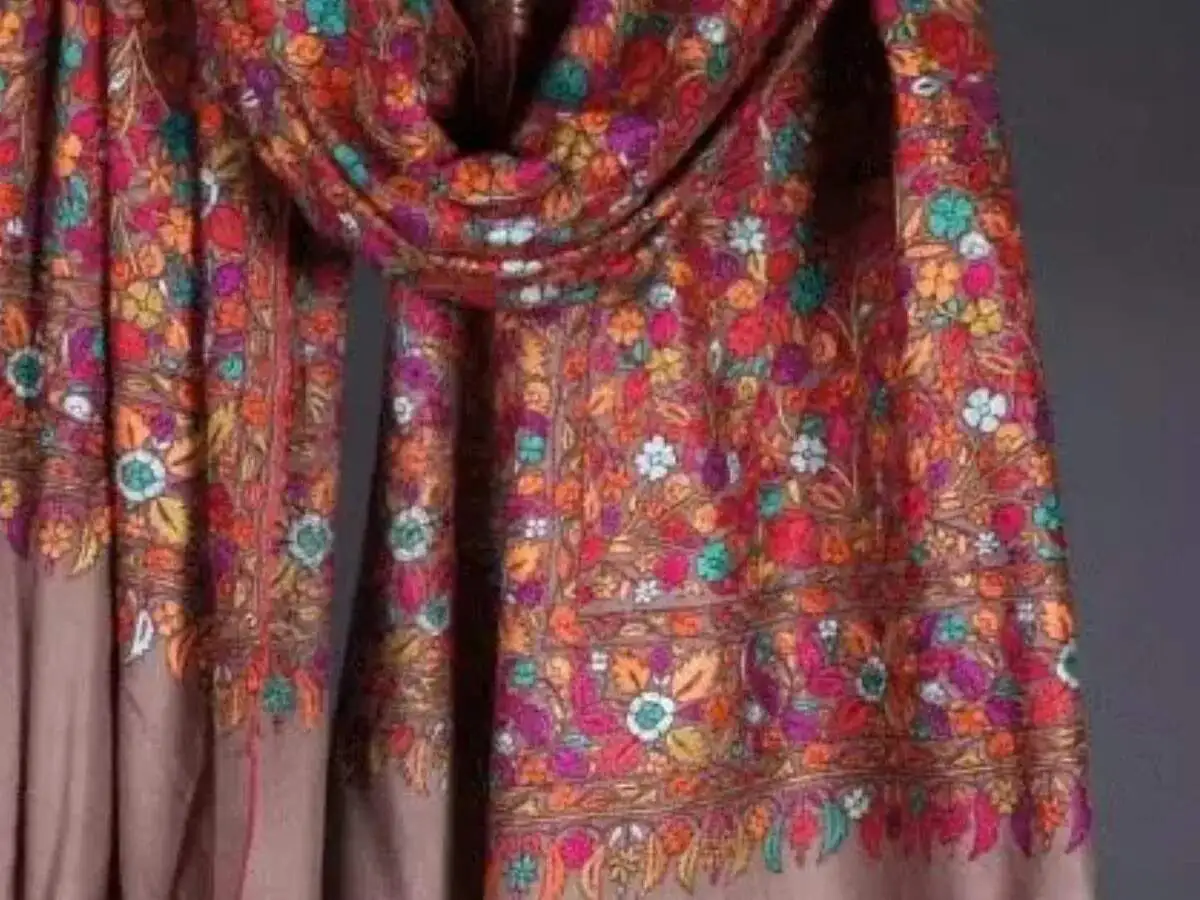
Features of Pashmina Shawl
The need for warm clothes increases in winters, and during this time Pashmina shawls are known for their soft texture, light weight and amazing warmth. Its price sometimes reaches lakhs of rupees, making it not just a cloth but a symbol of craftsmanship and cultural heritage. Do you know where the wool for this special shawl comes from and how much work goes into making it?
Importance of Changthangi Goat
Pashmina wool originates from the Changthang region of Ladakh, located at an altitude of approximately 14,000 feet above sea level. The climate here is extremely cold and dry, with temperatures dropping well below zero in winter.
The Changthangi goat, also known as Changra goat, is found in this harsh climate. It has two layers of hair on its body; The coarse outer hairs provide protection from cold winds, while the finer inner fibers are the source of pashmina wool.
Pashmina wool production
Goats are not killed to obtain pashmina wool. When their fine hair begins to fall out naturally in the summer, shepherds collect them using special combs.
This process usually takes place between May and July, and a Changthangi goat yields an average of 150 to 250 grams of wool in a year. The wool is then cleaned, sorted and spun, and skilled artisans hand-weave it into shawls.
Details and value of pashmina
The biggest feature of Pashmina is the fineness of its fibers, whose thickness is approximately 12 to 16 microns. It is so fine that the shawl feels very soft when touched. Despite its light weight, it provides good warmth, which makes it different from ordinary woolen shawls.
There are many reasons behind the high price of pashmina shawls, such as limited availability, hand-making, excellent quality, traditional workmanship and its cultural identity.
Changpa community and the tradition of pashmina
The Changpa community of Ladakh looks after Changthangi goats, and a large part of this community's livelihood is linked to pashmina wool. After the wool is collected, it reaches the artisans of Ladakh and Kashmir.
Skilled artisans from Kashmir spin, weave and embroider it using traditional techniques. Only after several steps is the fine pashmina shawl ready.
Thus, the Pashmina shawl is not just an expensive textile, but it also reflects the story of the harsh climate of Ladakh, the hard work of the Changpa community and the age-old craftsmanship of Kashmir.