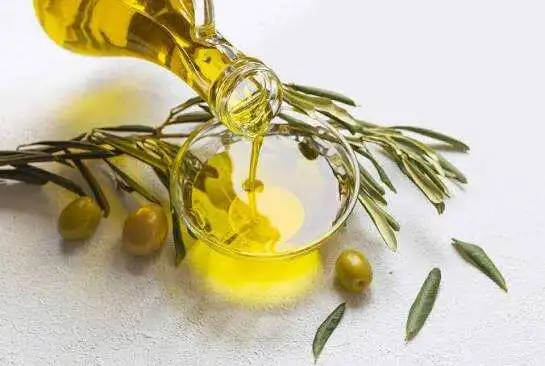
olive oil replacement
When discussing Middle Eastern food, olive oil is inevitable. It has been an important part of the daily diet for centuries in many countries in the region. Its use is not limited to cooking only, but it is also used in salads, dips, traditional dishes and skin care.
variety of olive oil
Olive oil is available in different types, and its quality depends on taste, aroma and production process.
Extra Virgin Olive Oil: It is extracted from olives without any chemical process, due to which its natural taste and aroma remains intact. It is considered to be of high quality.
Light Olive Oil: It is mainly refined olive oil, with a small amount of virgin olive oil mixed in. Its flavor and color are mild, but its calorie level is similar to other varieties.
Use of olive oil in the Middle East
1. Enhances taste and aroma:
The special aroma and taste of olive oil give a distinct identity to the food. It is used for cooking vegetables, making salad dressings, and pouring over prepared dishes.
2. Beneficial for health:
Olive oil contains monounsaturated fatty acids, which are considered beneficial for heart health. It can help control bad cholesterol when it is part of a balanced diet.
3. Uses in various dishes:
Olive oil can be added to a variety of dishes, such as salads, hummus, dips, vegetables, and grilled meats.
4. Ancient Tradition:
The tradition of olive cultivation and oil extraction in the Middle East goes back thousands of years. It is used as an essential ingredient in many traditional dishes.
5. Excellent Yield:
The climate of the Middle East and the Mediterranean region is favorable for olive cultivation. Olive cultivation and oil production occur in countries such as Lebanon, Türkiye and Israel.
Olive oil: a cultural identity
In the Middle East, olive oil is not just a cooking ingredient, but an integral part of its cultural and culinary traditions. Its taste and local cultivation have given it a special place in the cuisine of this region.